
Métis students explore land-based learning at March Break camp
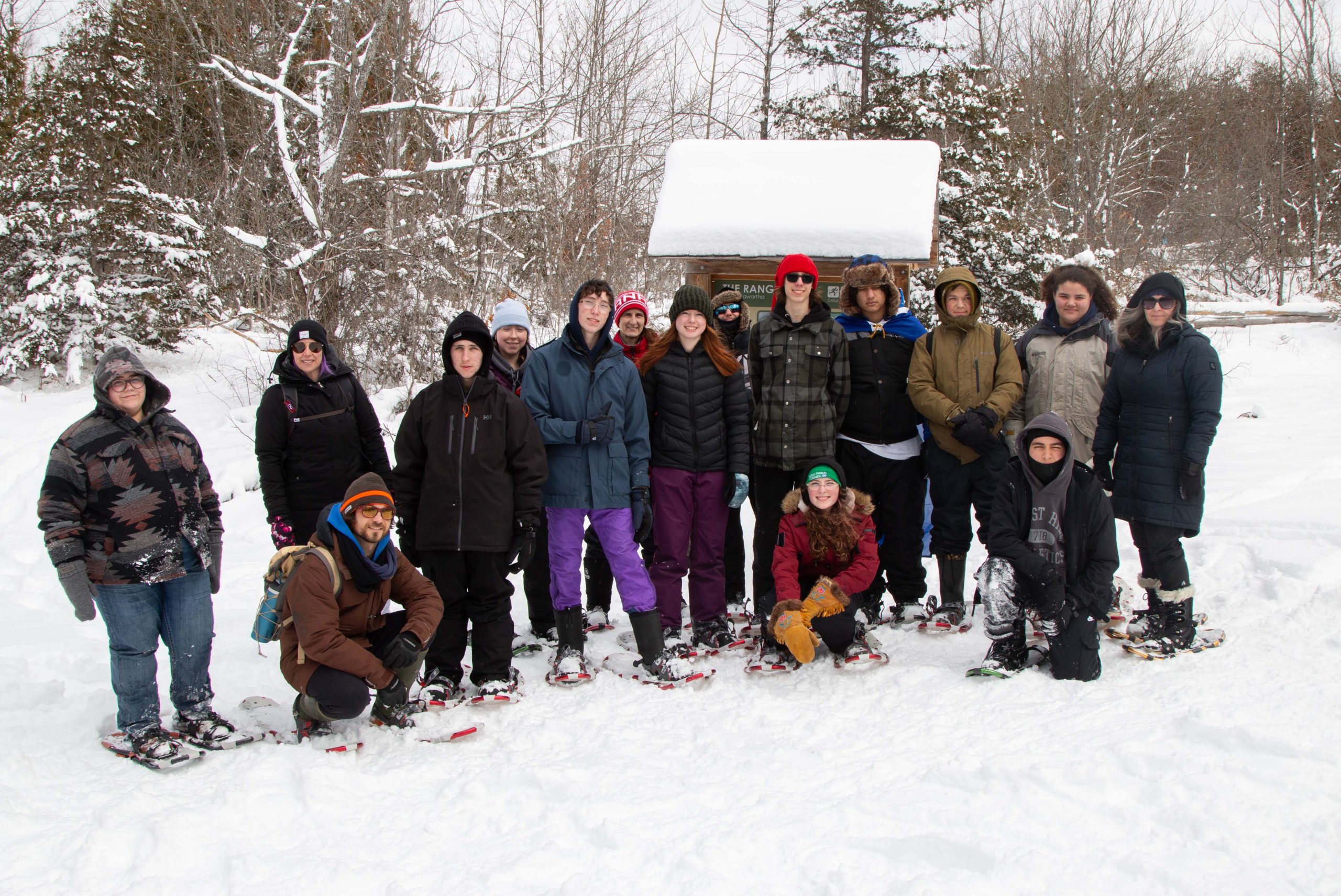
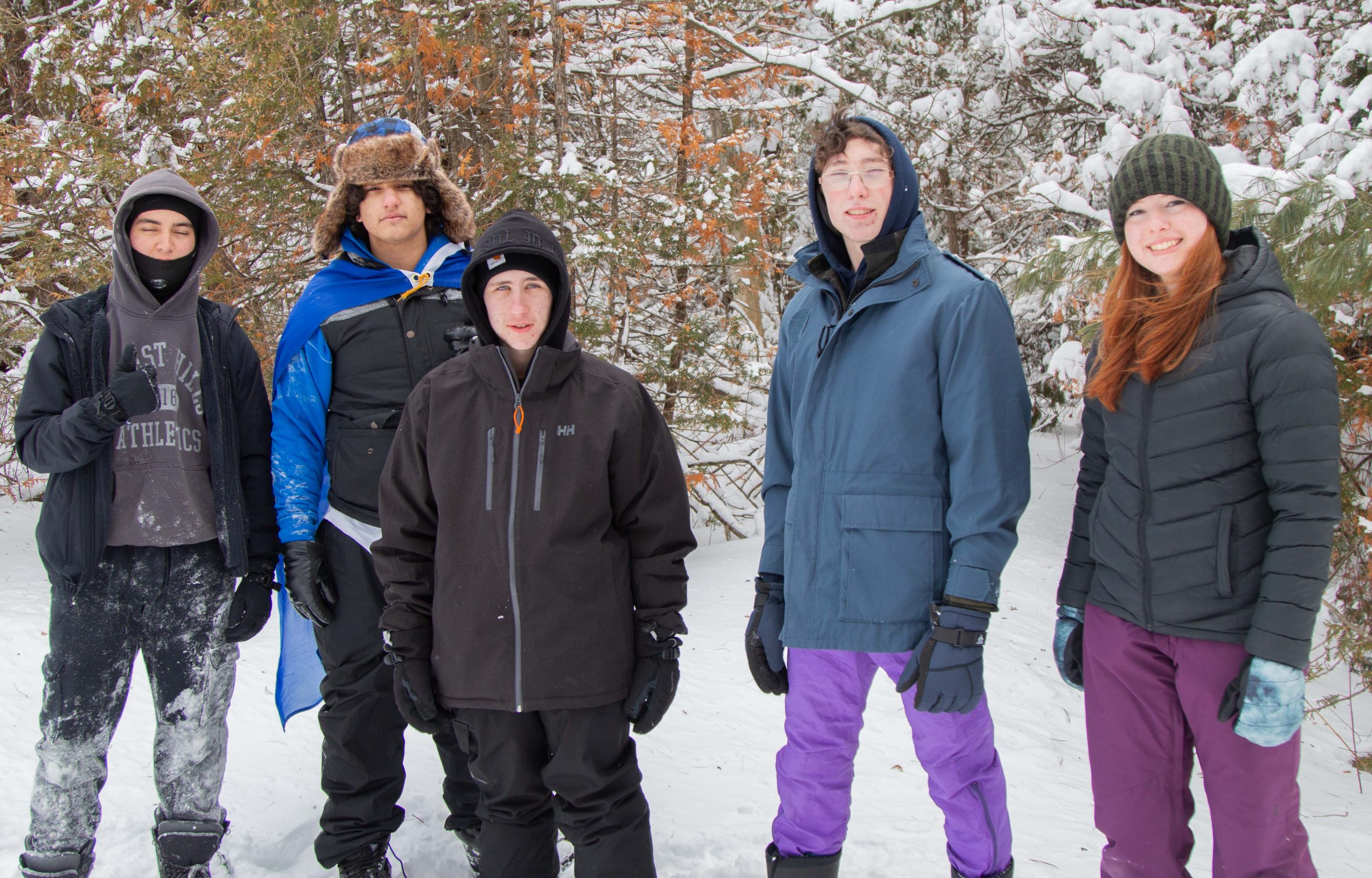
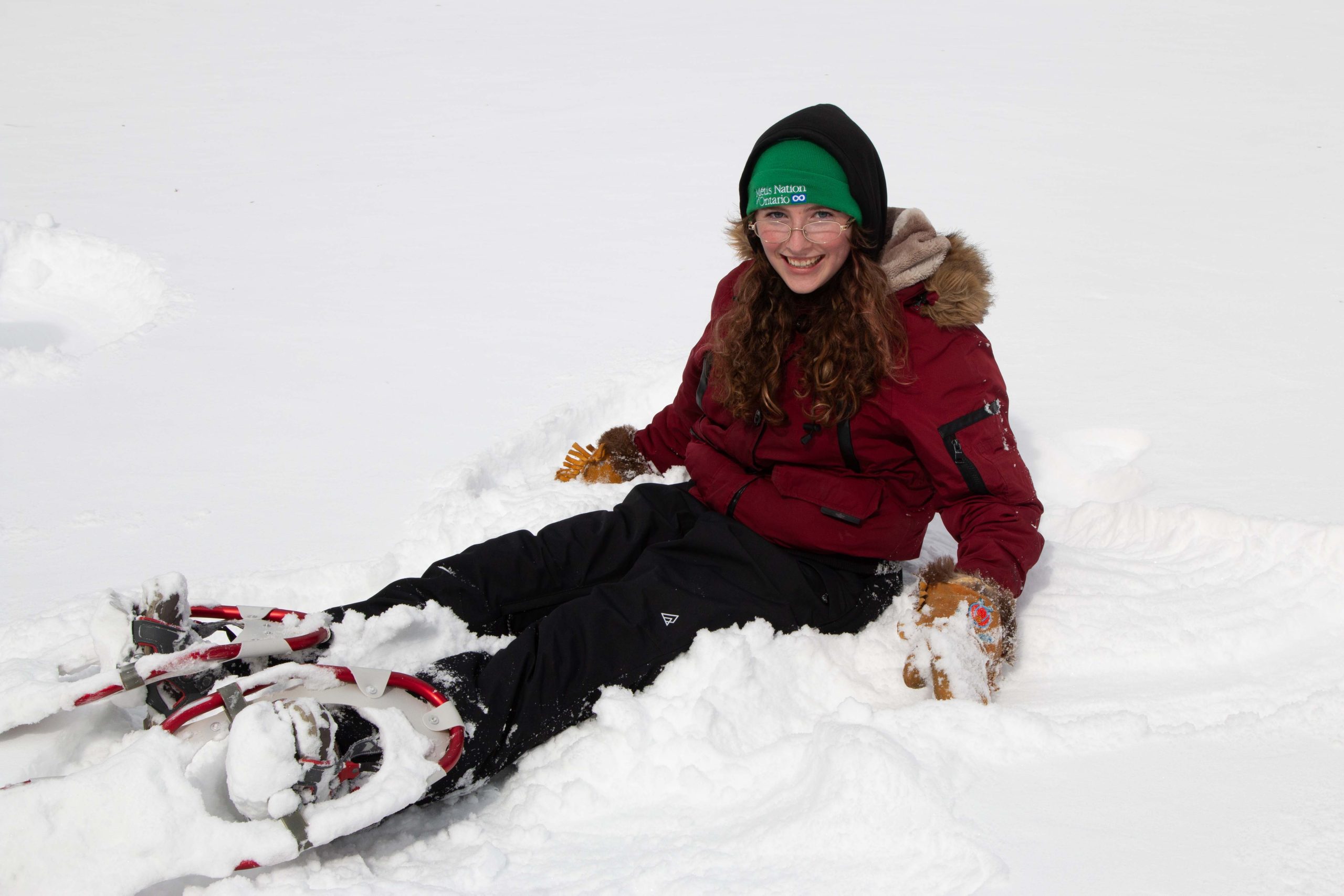
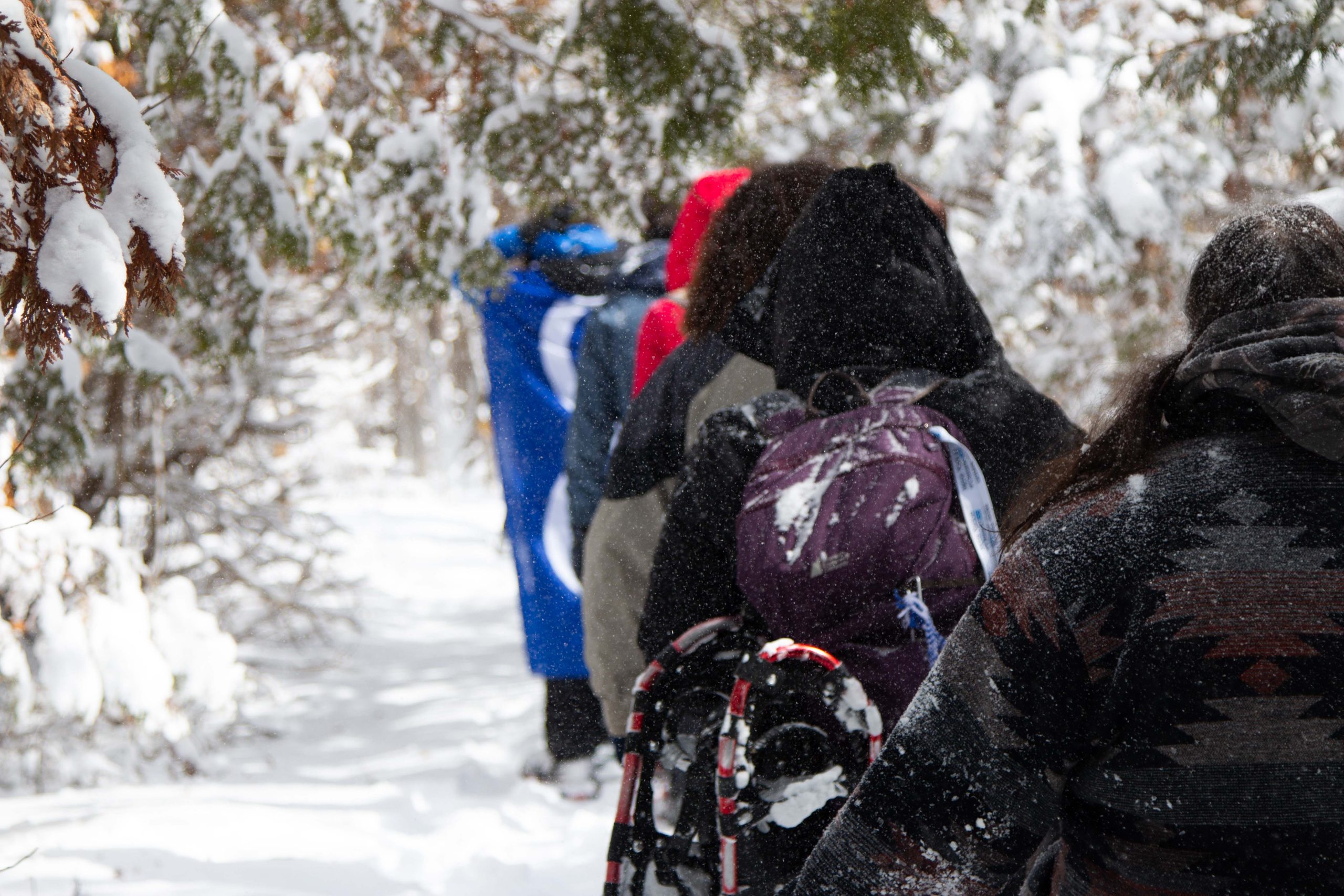
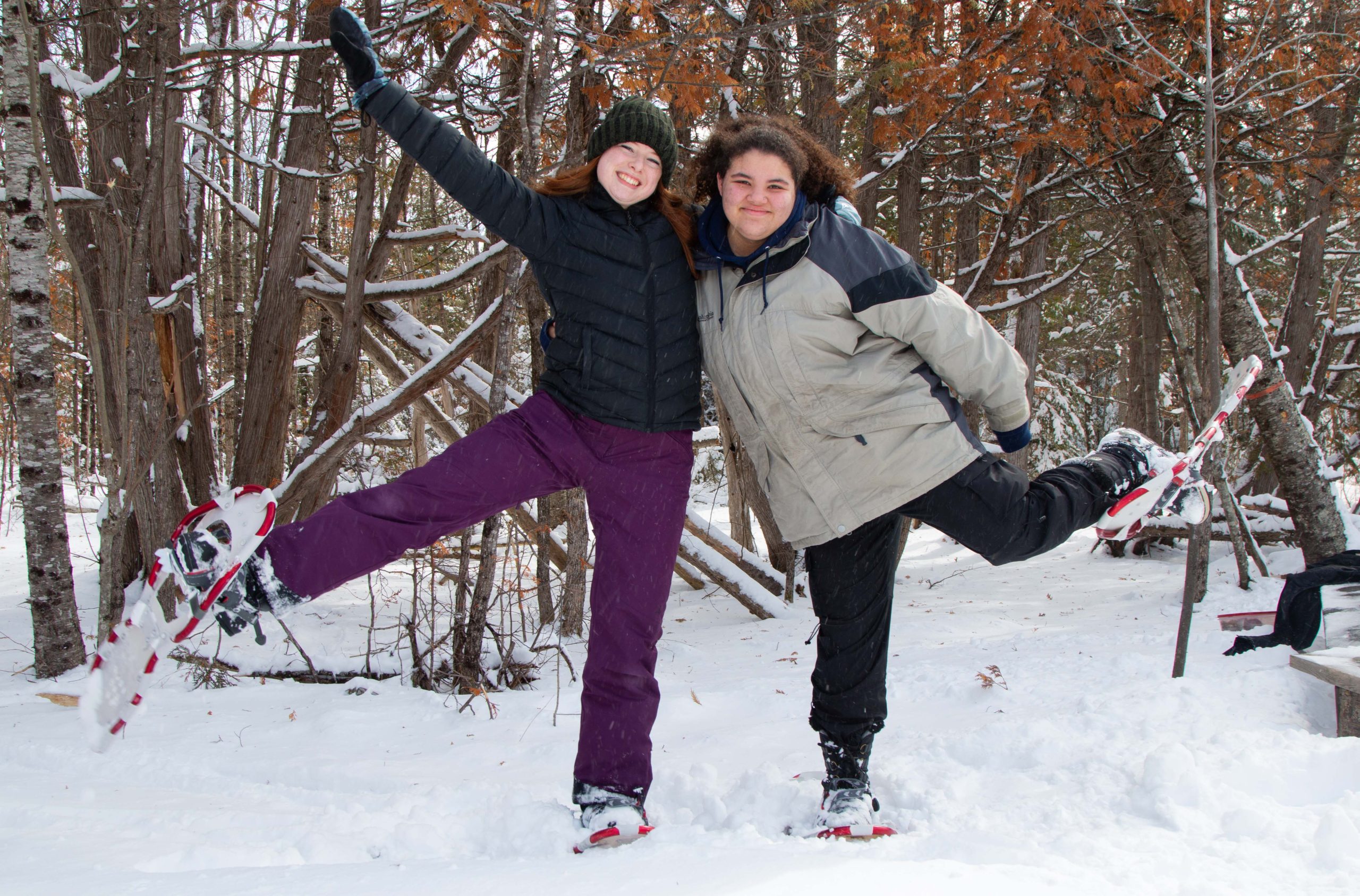
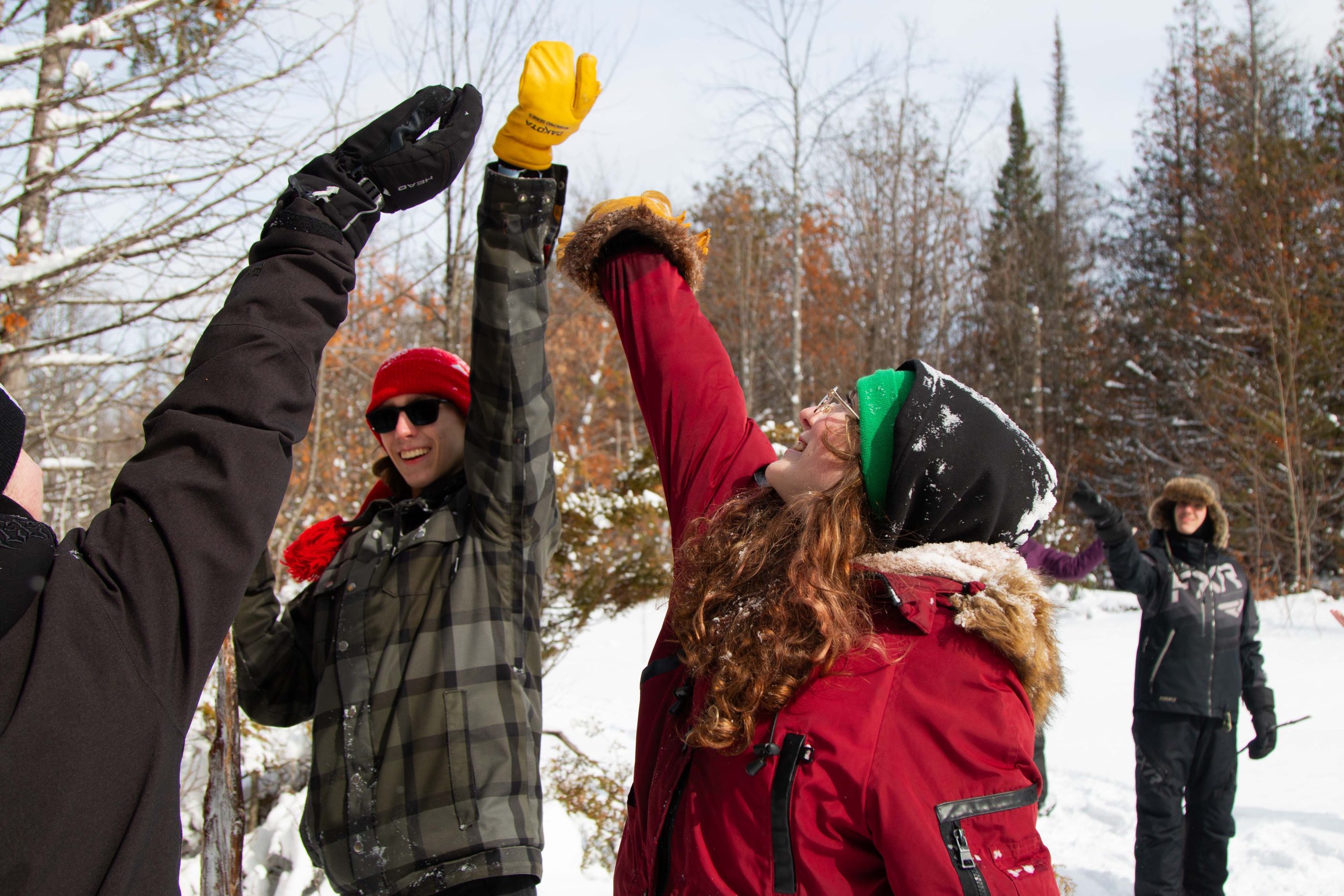
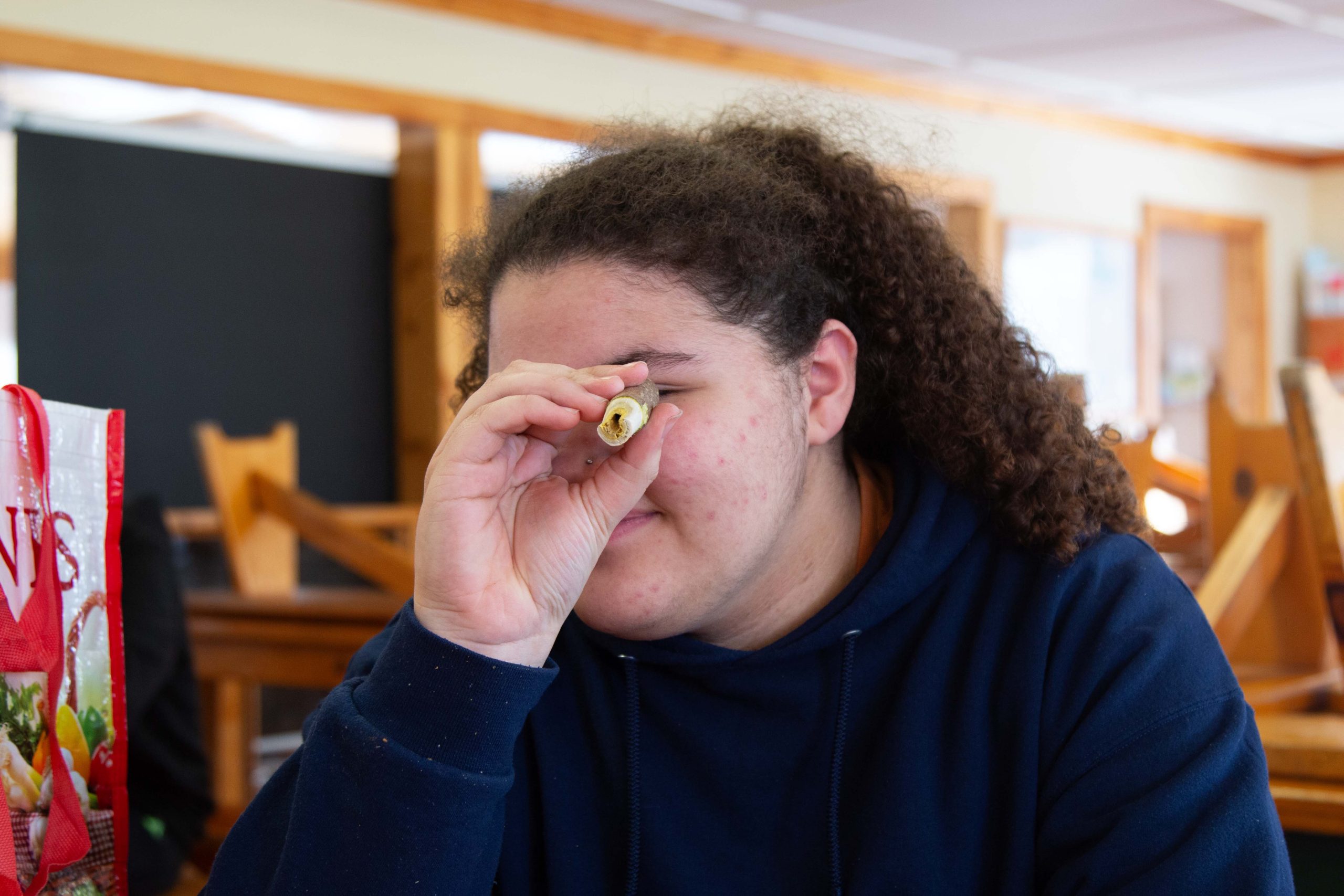
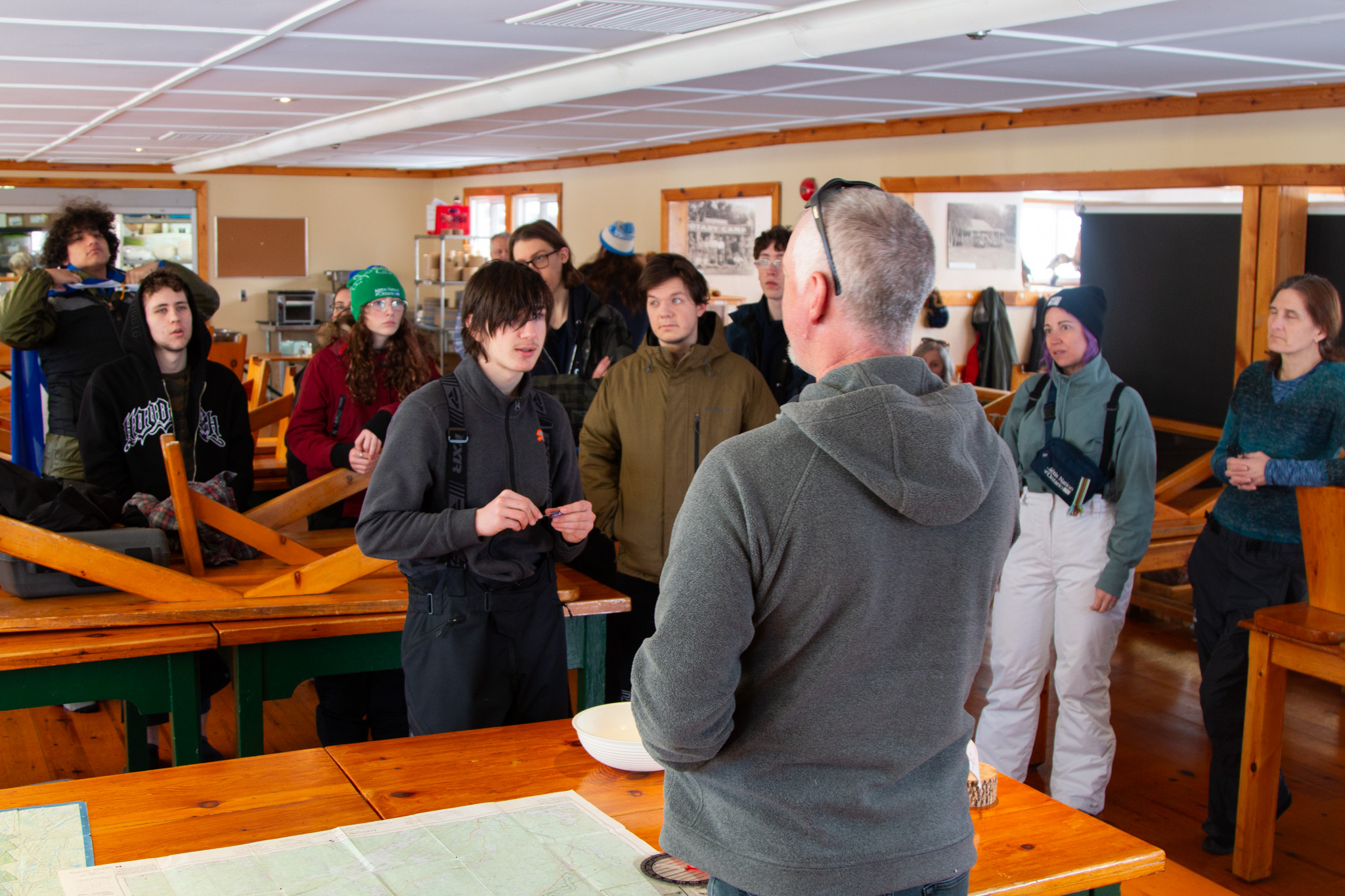
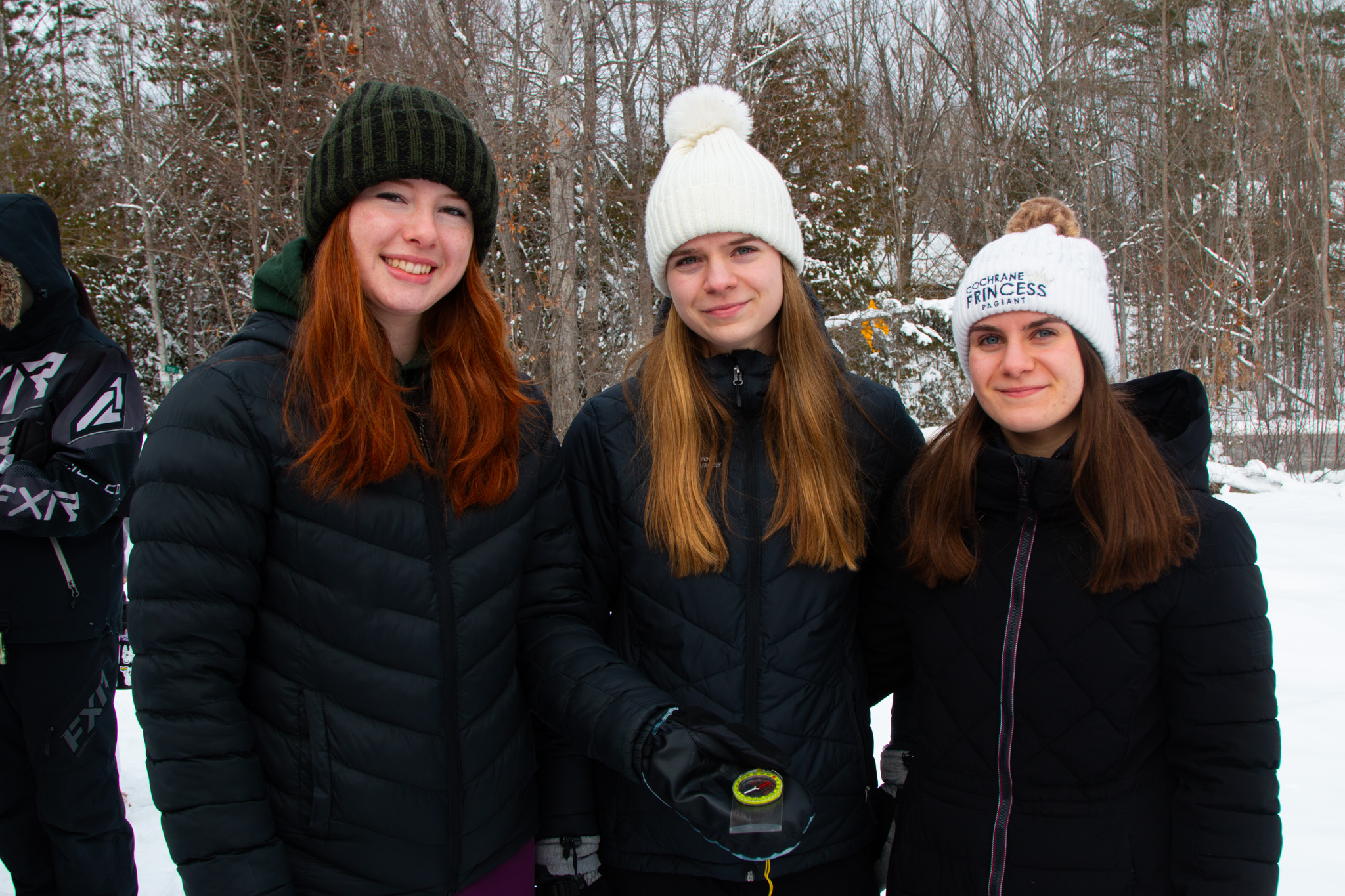
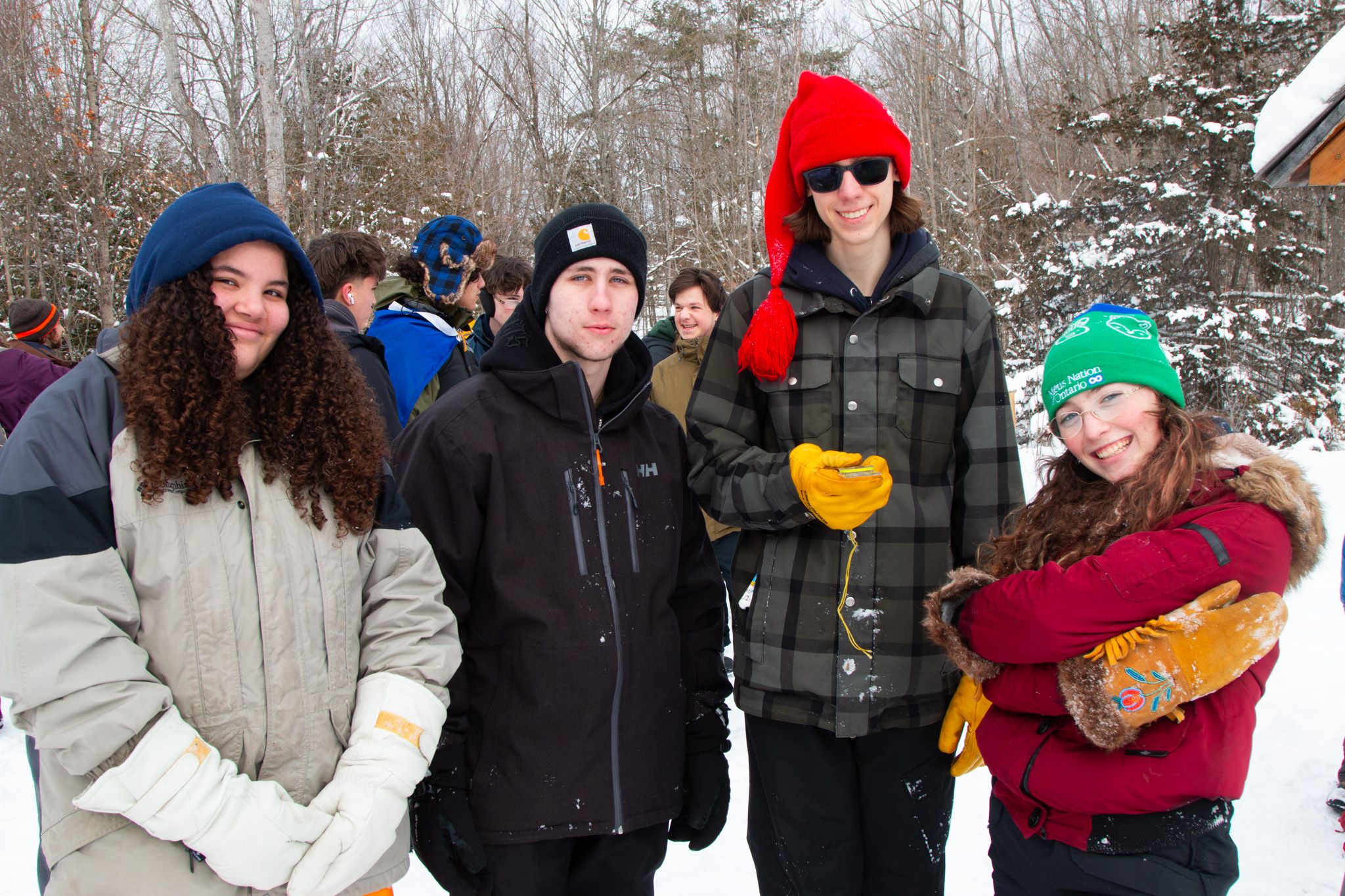
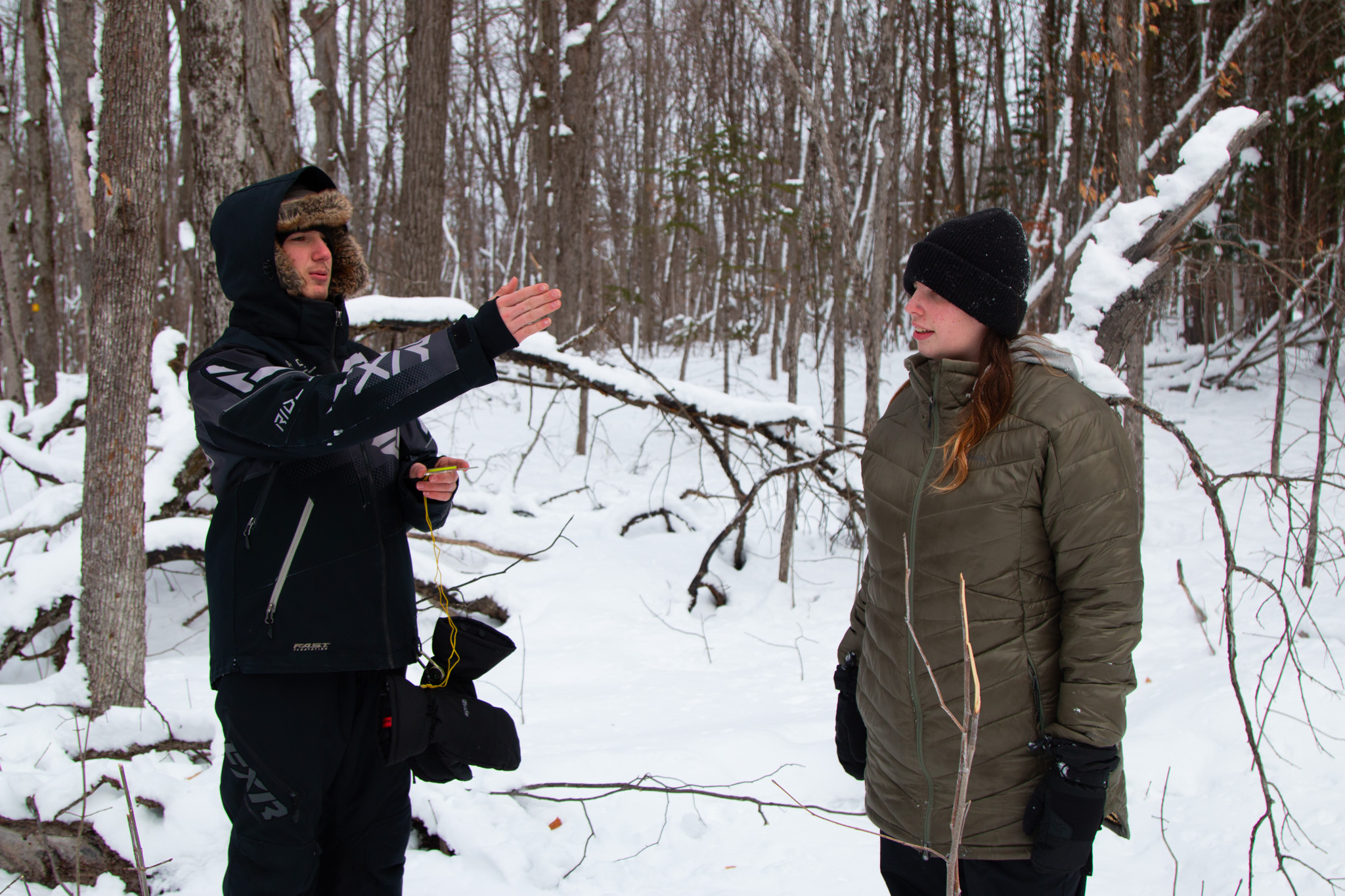
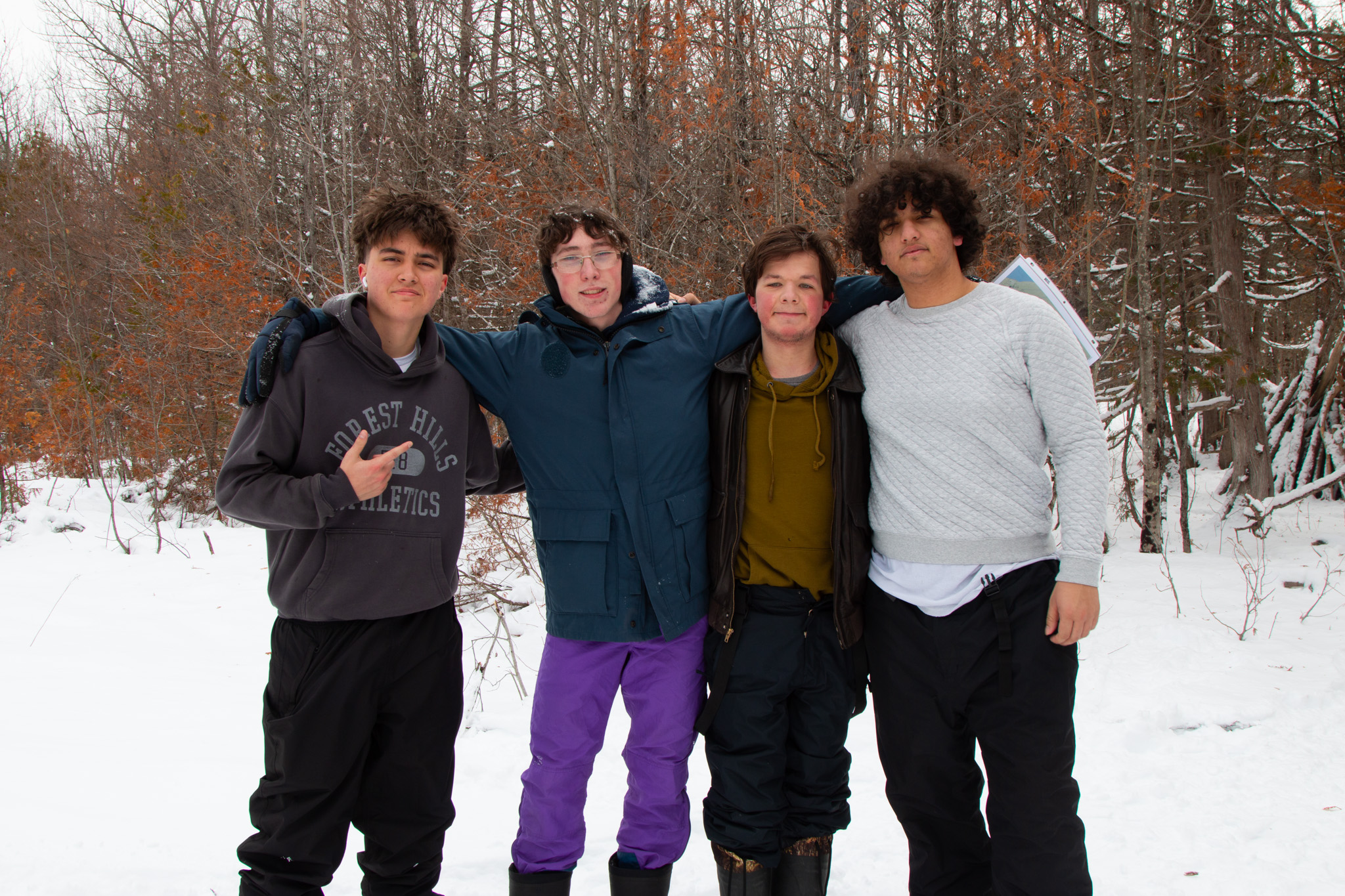
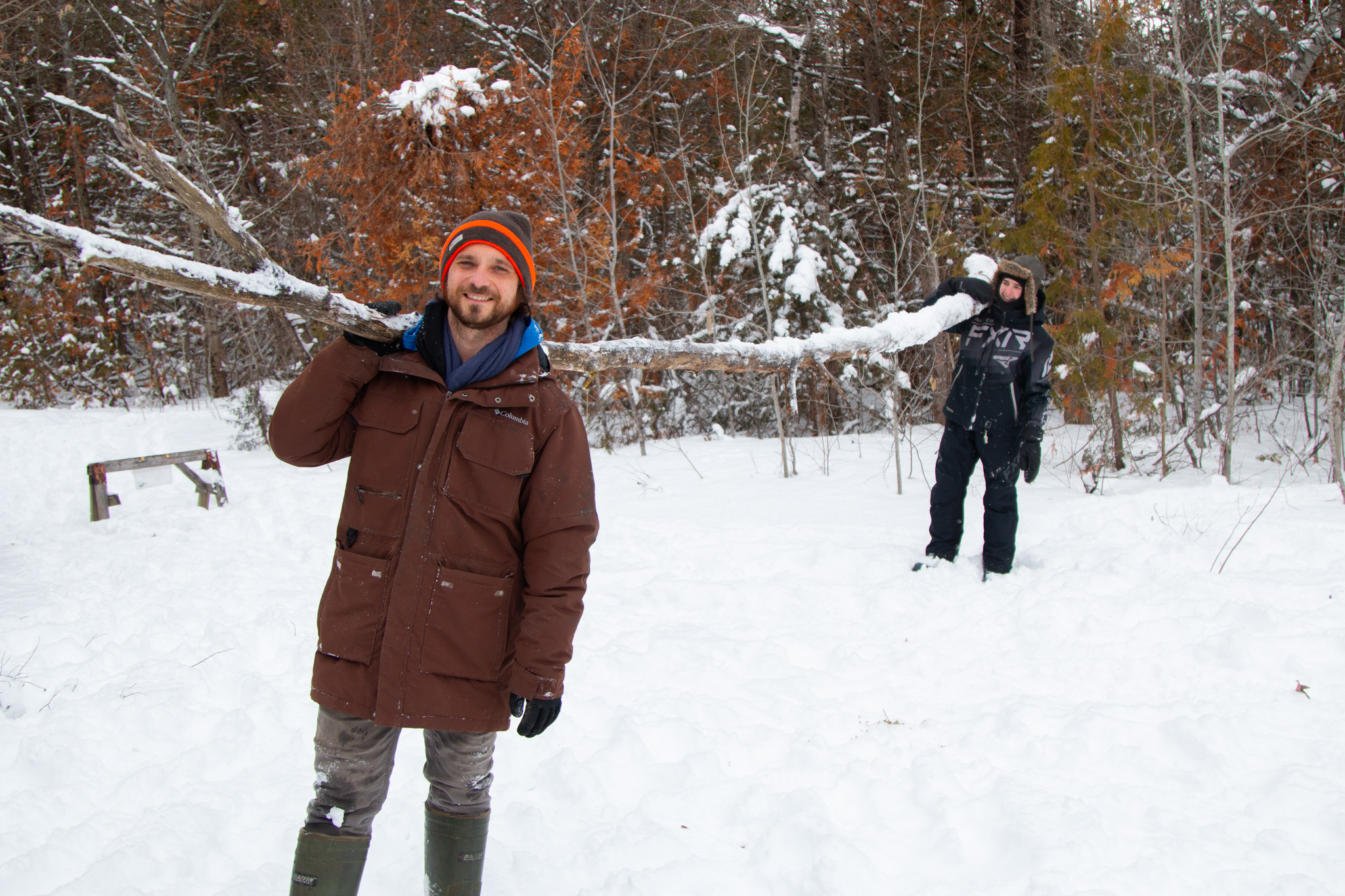
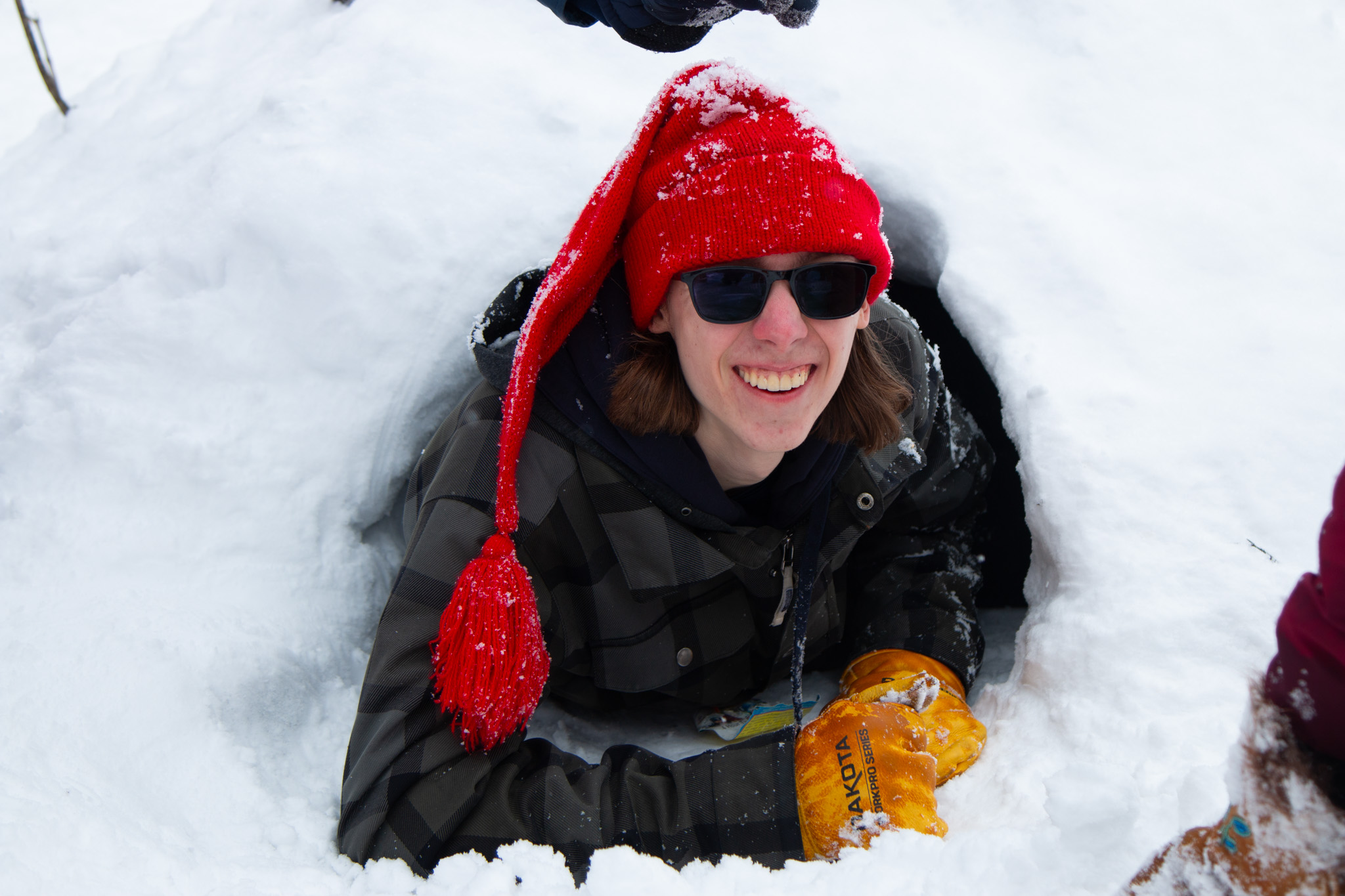
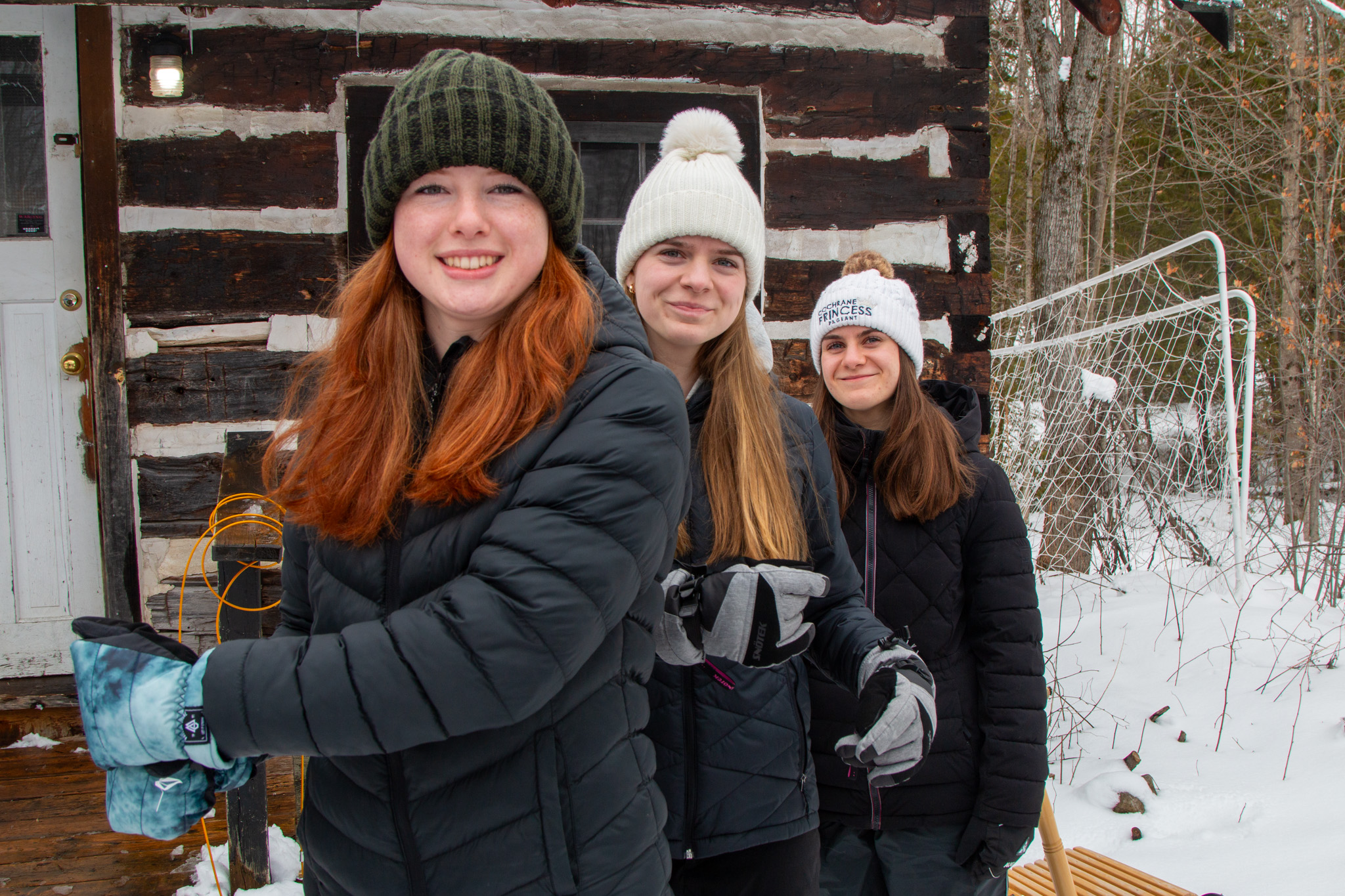

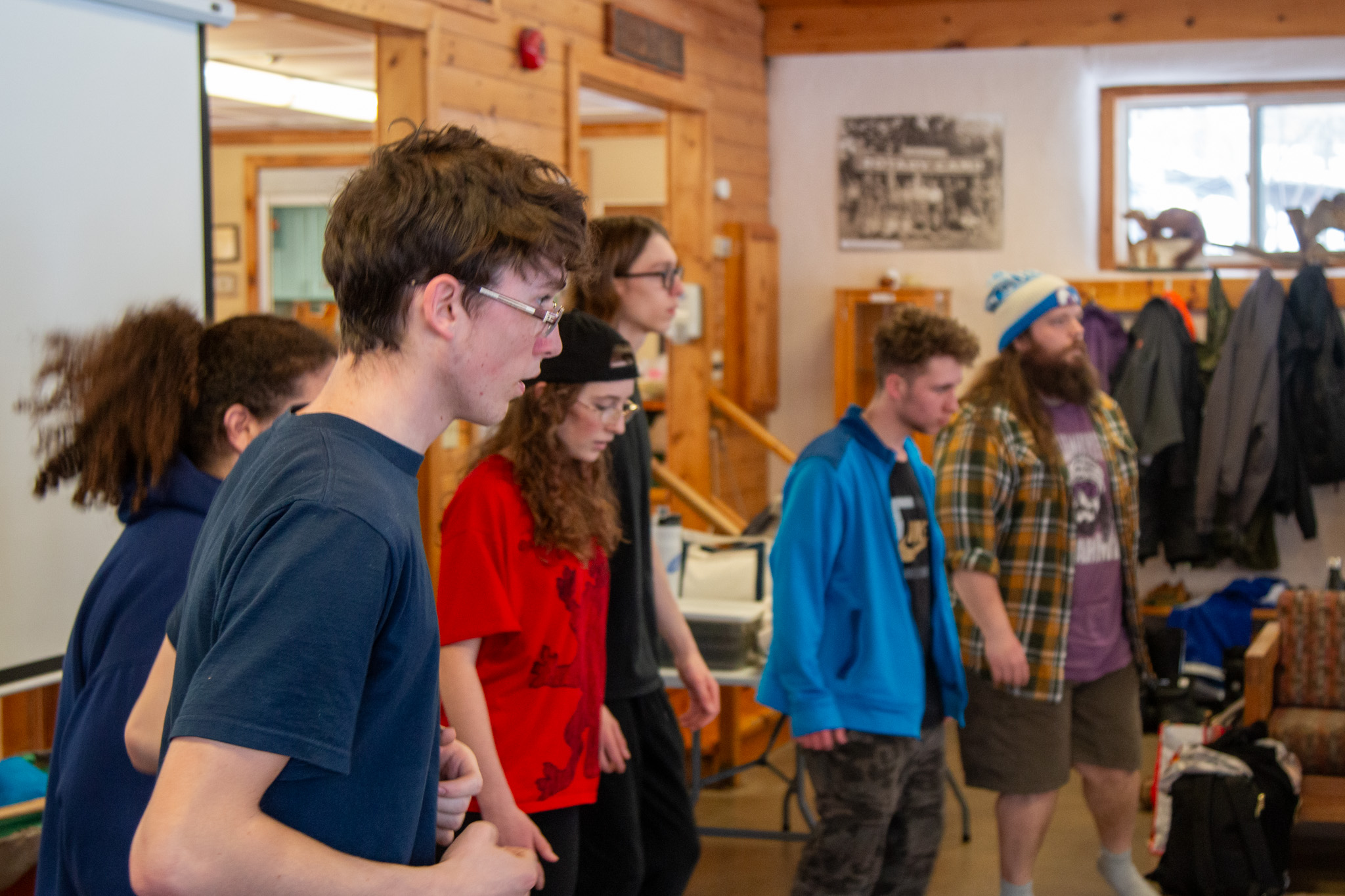
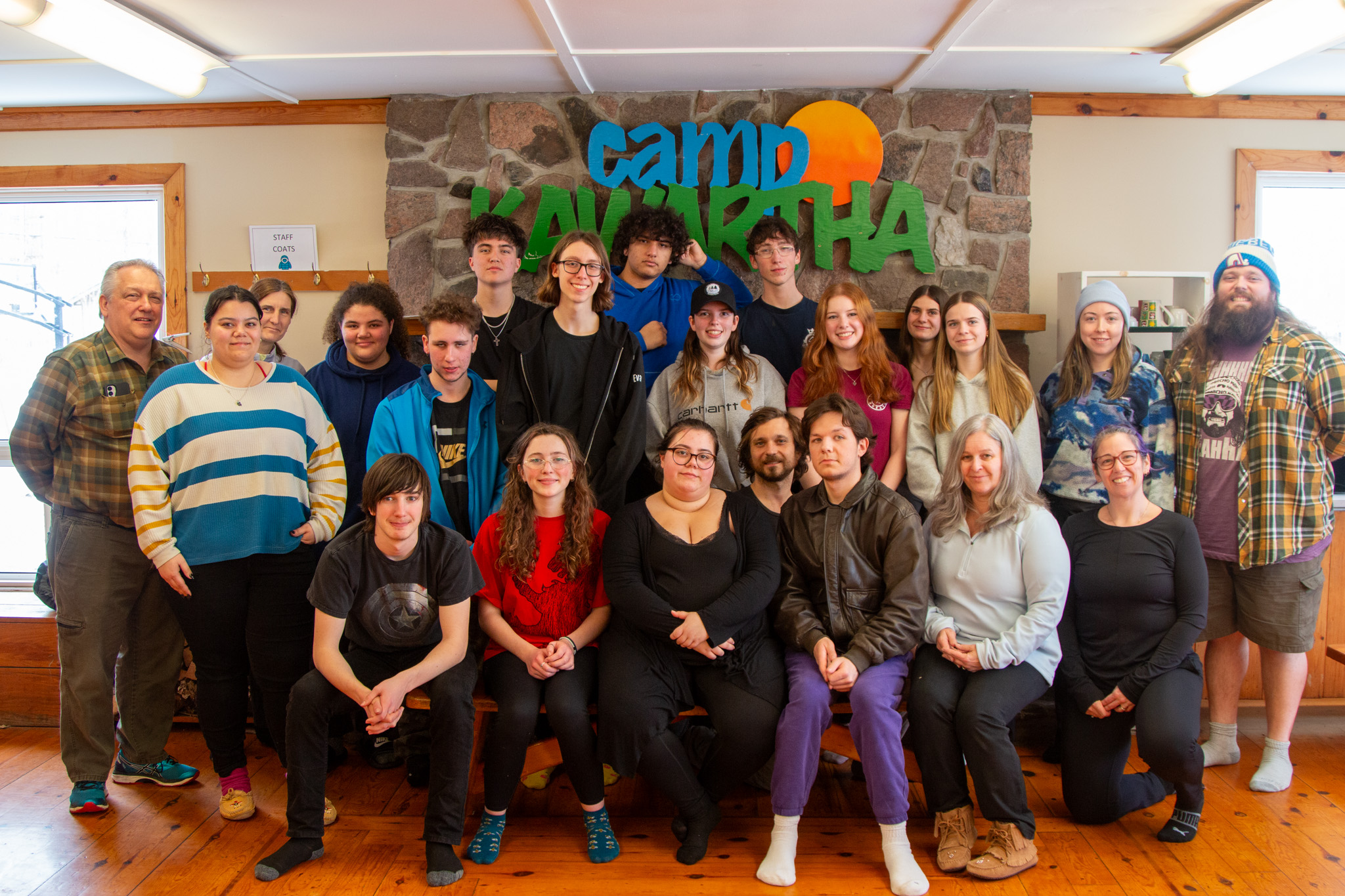
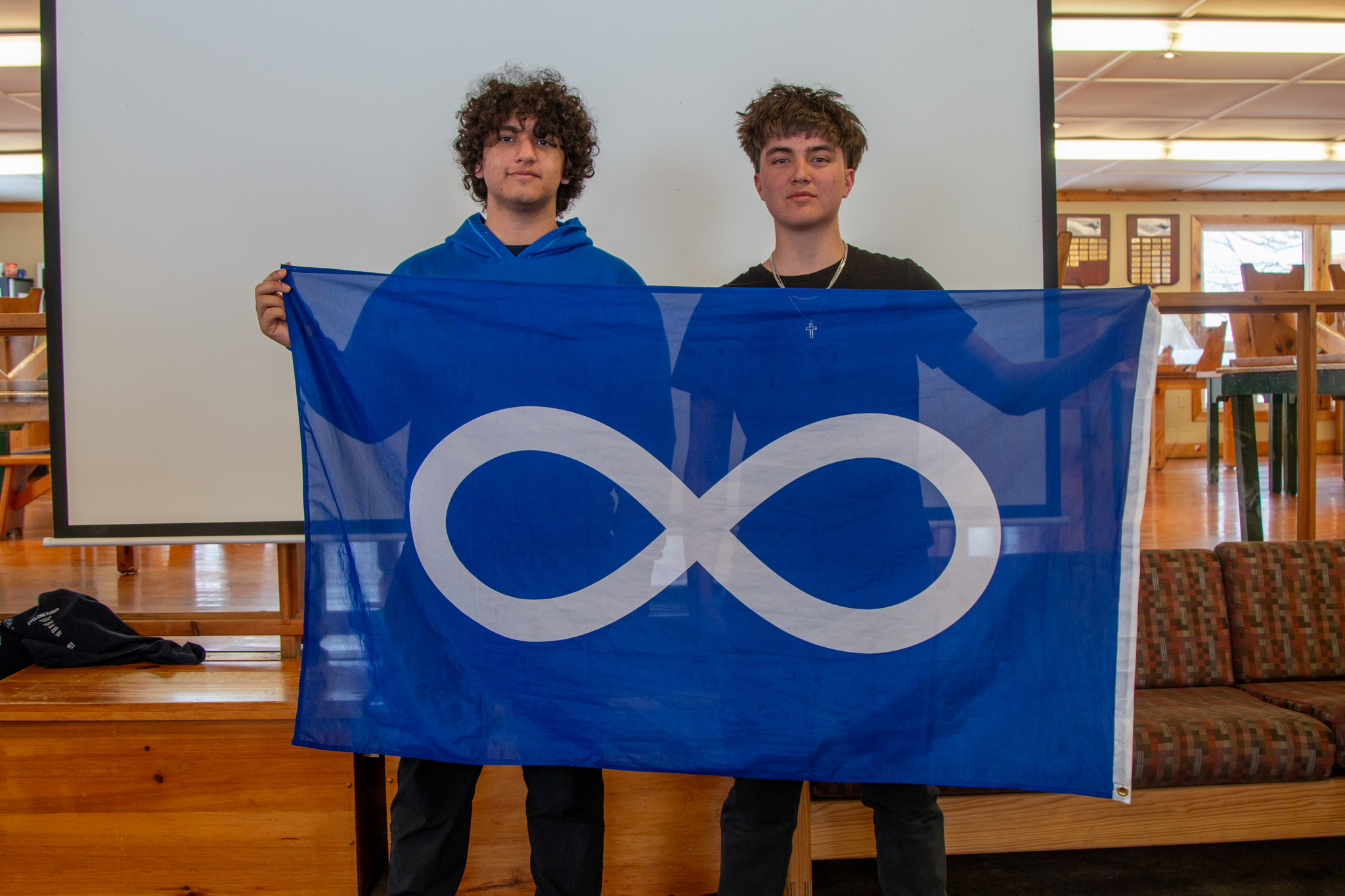
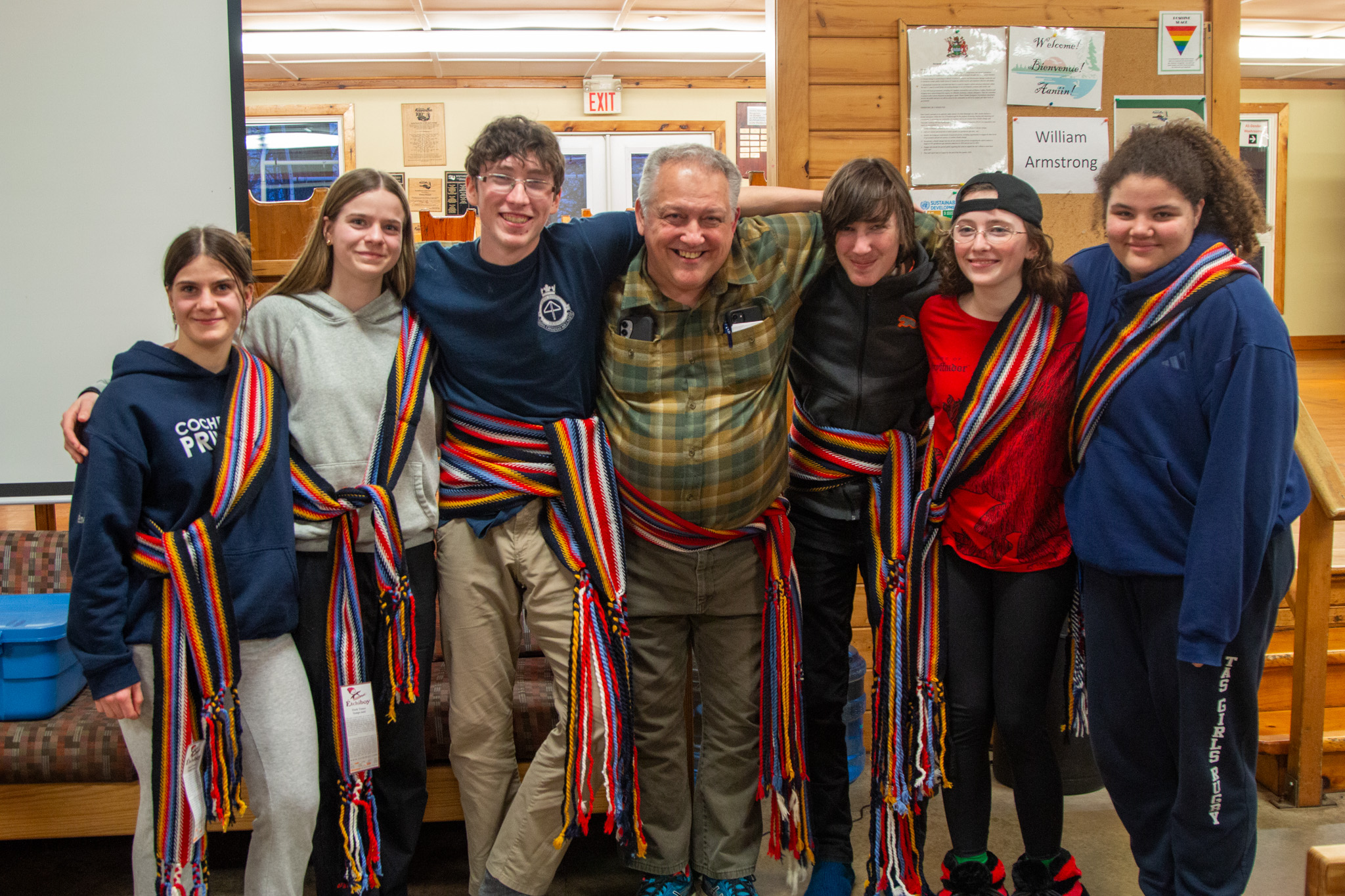
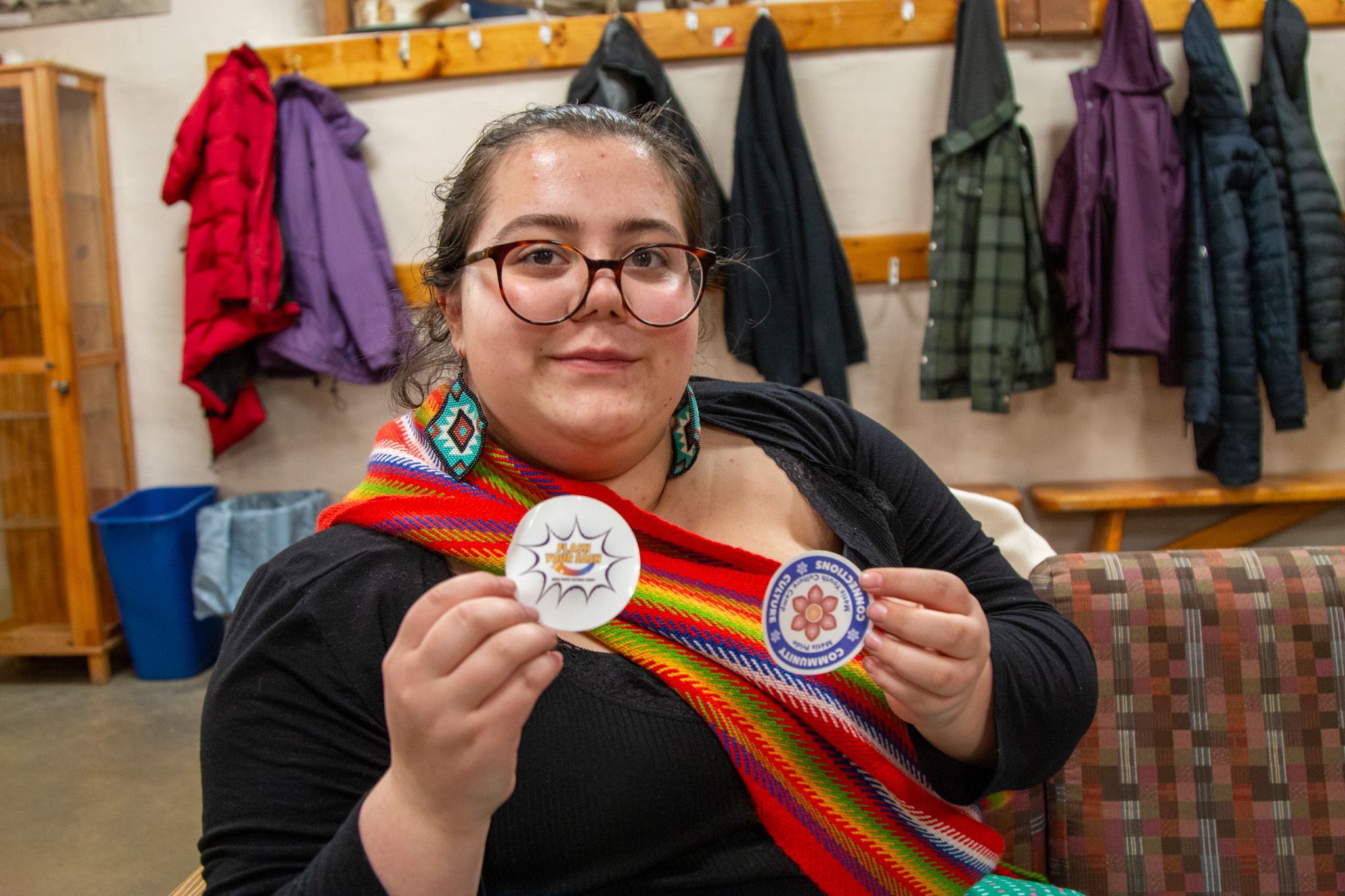
Fourteen Métis students in grades 10–12 gathered at Camp Kawartha for the 2026 Infinite Reach March Break Camp—a five-day experience from March 16 to 20 centred on Métis culture, learning, and connection.
Nestled along the scenic shores of Clear Lake near Peterborough, Ontario, the camp provided a welcoming setting for students to connect, build friendships, and take part in shared learning.
Students arrived to camp in the late afternoon and got acquainted with their sleeping quarters for the next four days. They took part in icebreaker activities, reviewed safety guidelines, and enjoyed a hearty dinner to kick off the March Break Camp.
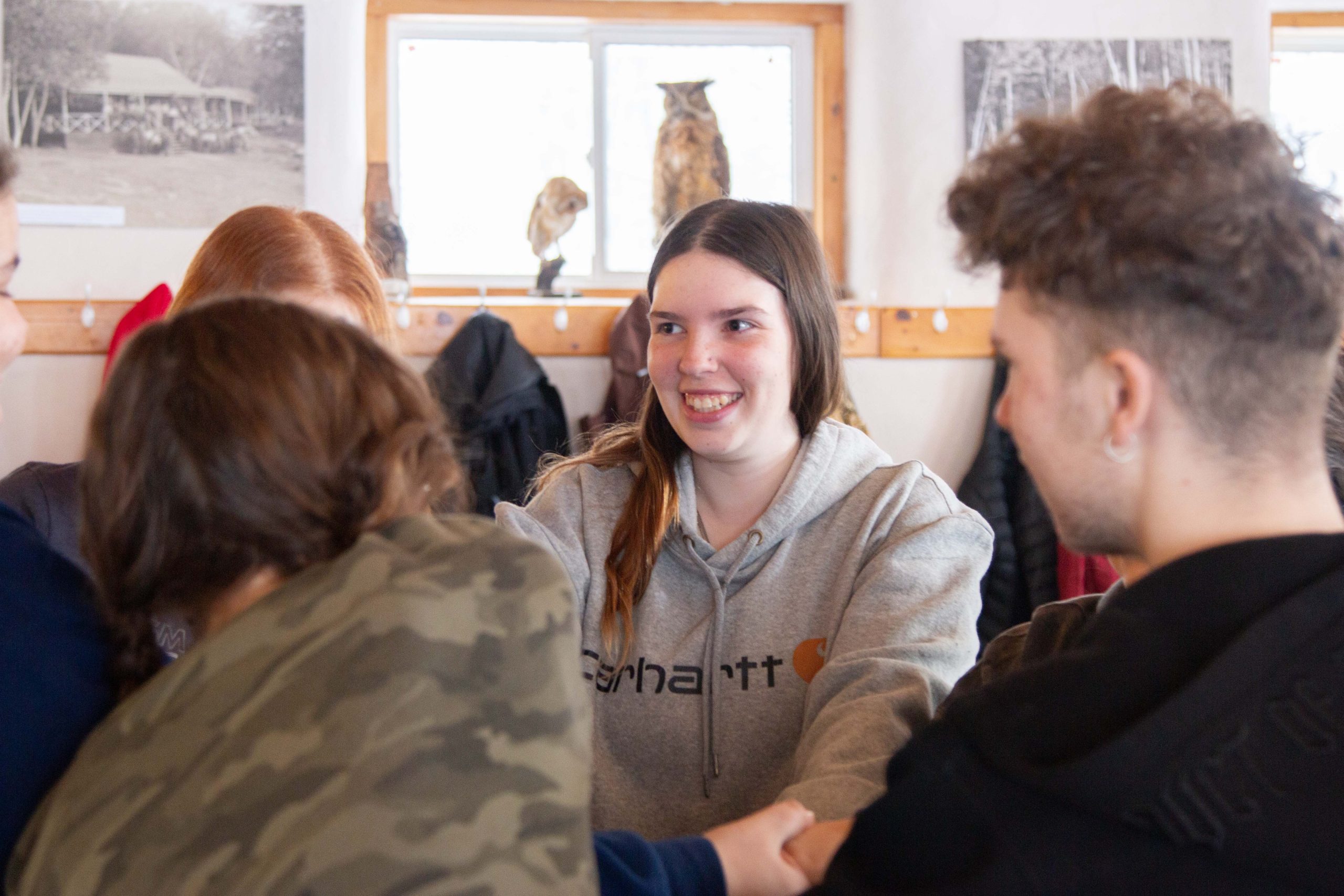
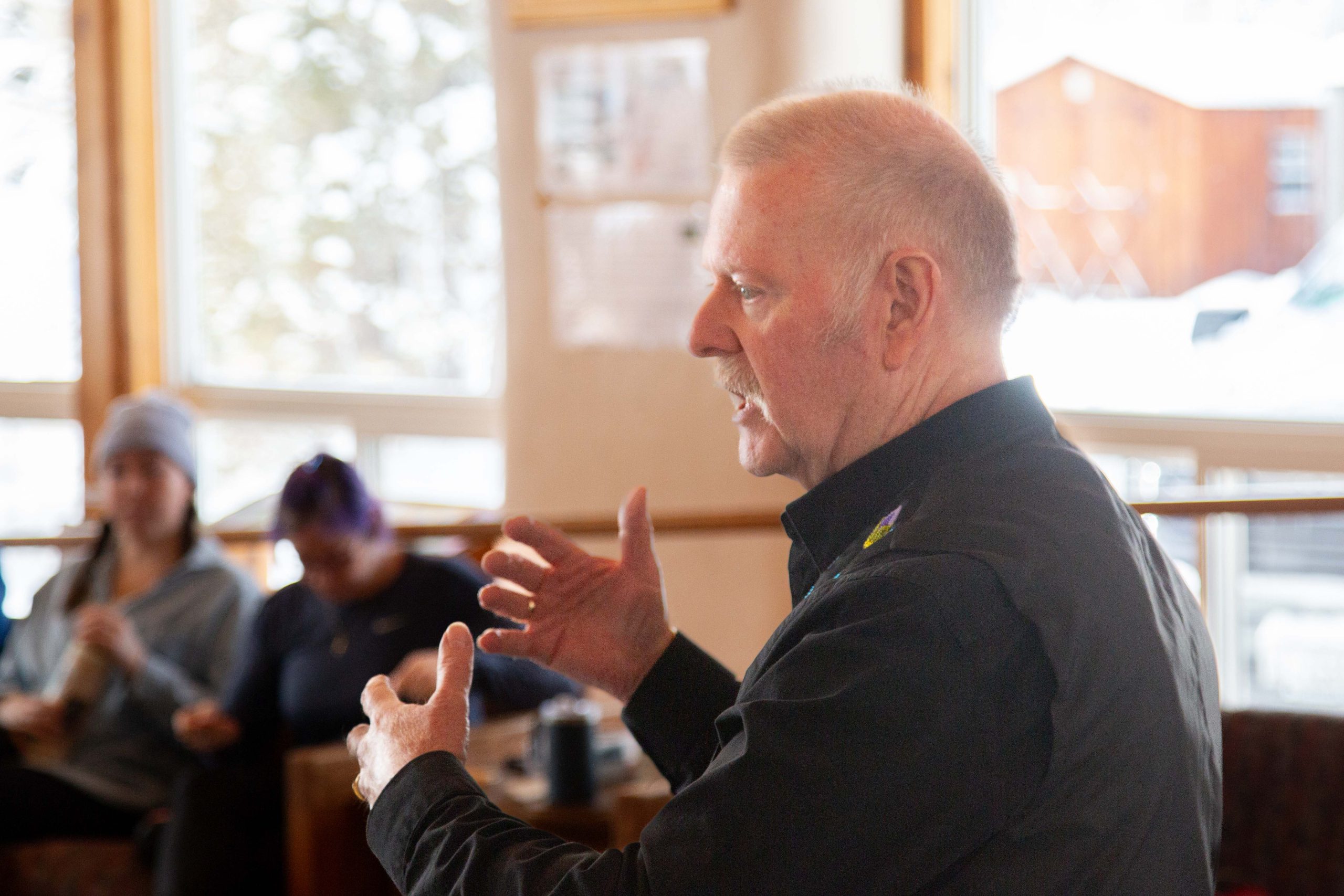
The following morning, students gathered in the camp’s main hall to learn about MNO programs and services available to support them as they pursue post-secondary pathways. This session introduced the Infinite Reach Student Solidarity Network—the camp’s central theme and the Métis Nation of Ontario’s mentorship program for Métis post-secondary students across the province.
Throughout the academic year, Infinite Reach Facilitators connect mentees with culturally relevant programs, services, and supports that enhance their academic experience. With many campers preparing to begin their post-secondary journeys, the camp’s focus on Infinite Reach provided them with valuable tools, guidance, and a strong foundation for success.
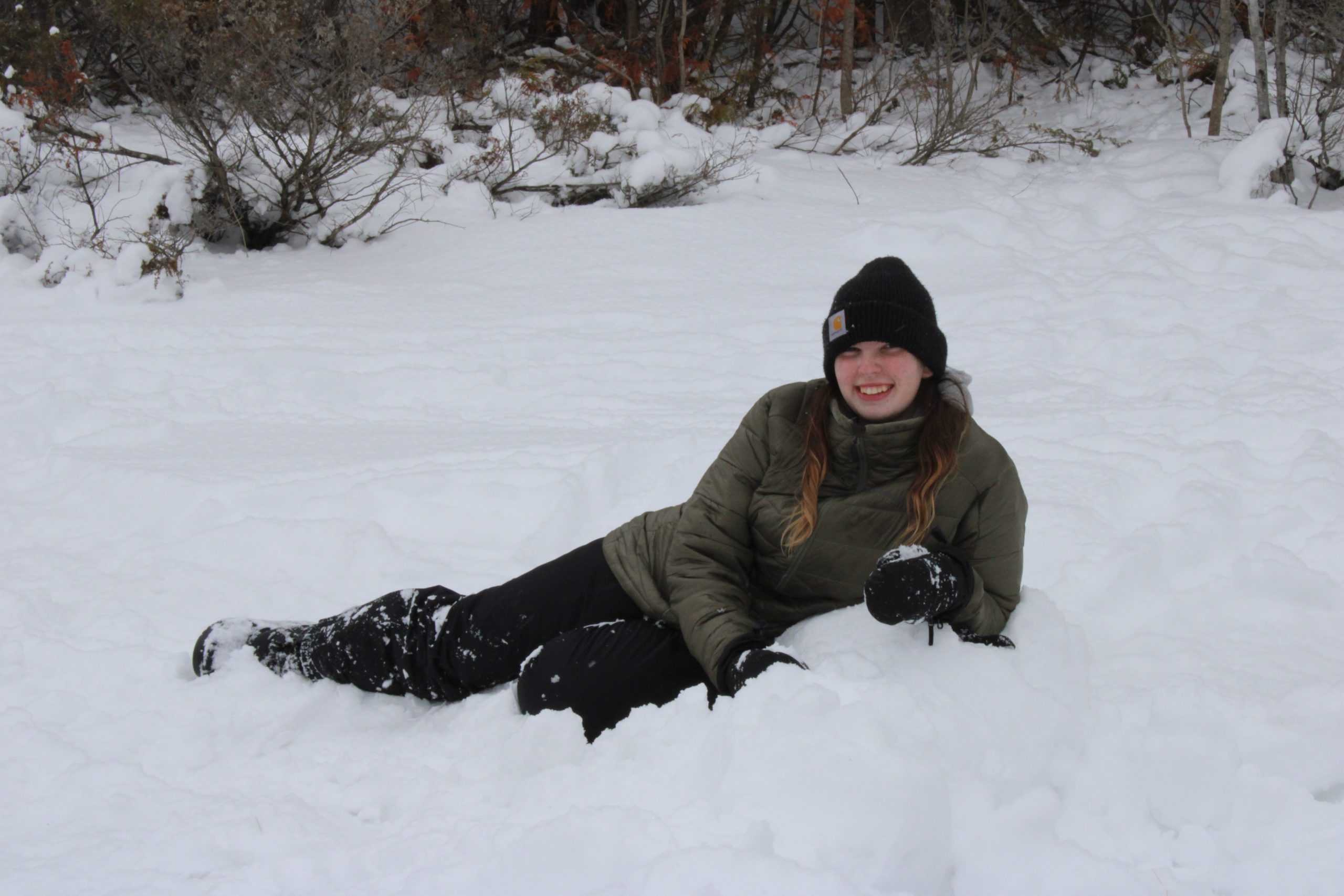
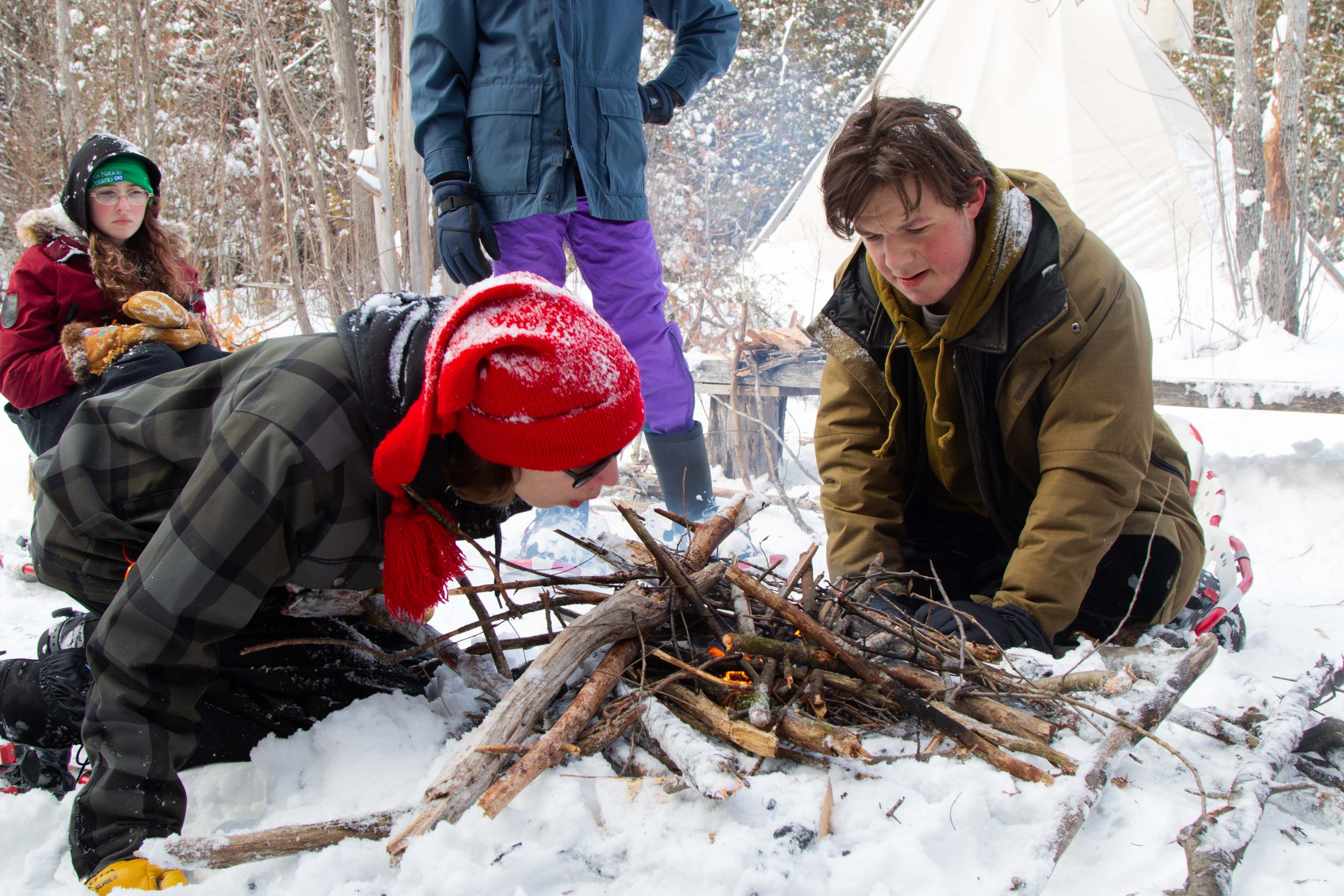
The same morning, the campers enjoyed an engaging session on species endangerment and lake/water conservation led by Thames Bluewater Métis Council Senator Kevin Rath, who joined on behalf of the MNO Great Lakes Advisory Council. That afternoon, students headed out on a snowshoe hike, where they learned about local flora and practiced fire-starting using flint and steel. Before dinner, they returned to camp for a spile-making lesson in recognition of maple syrup season.
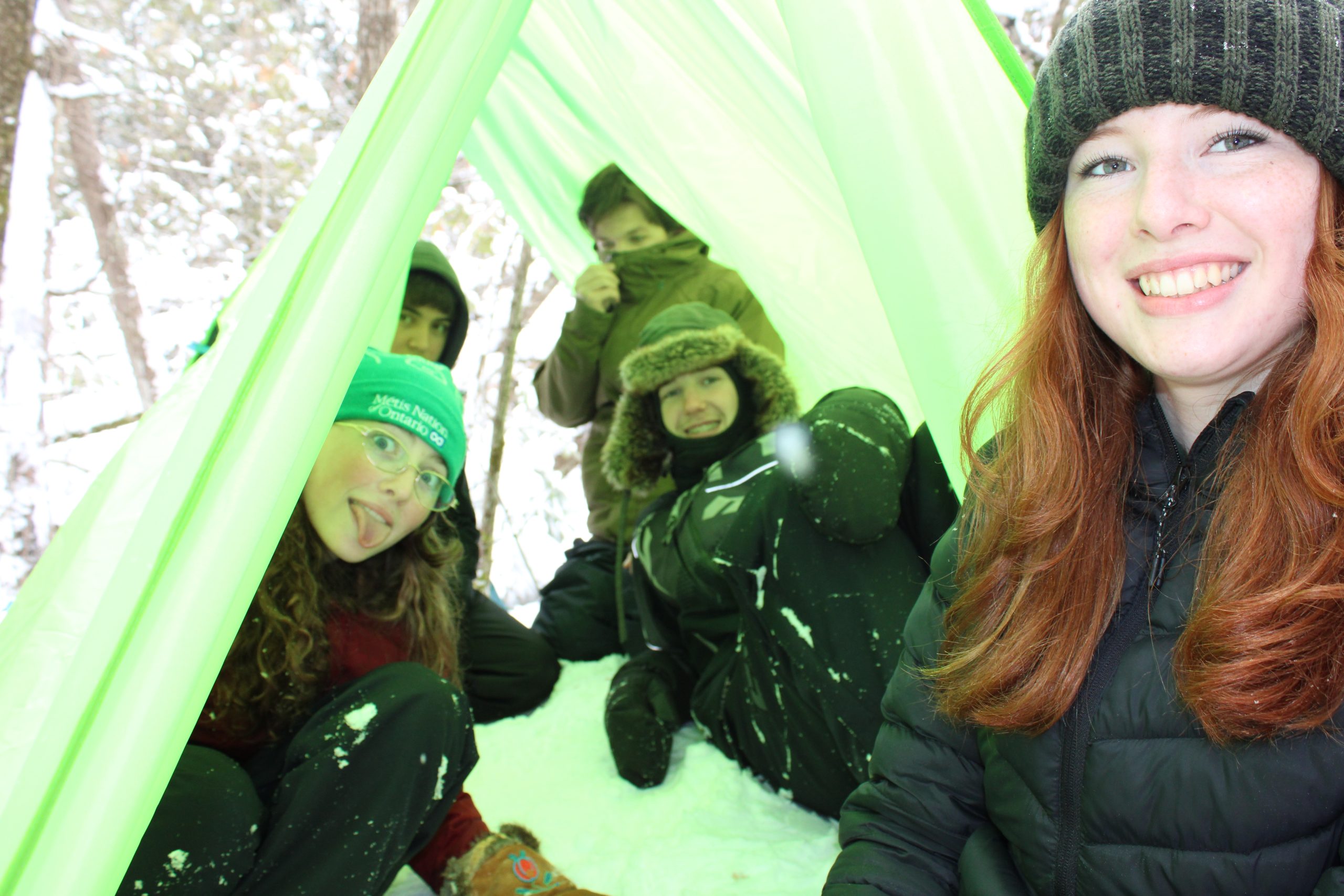
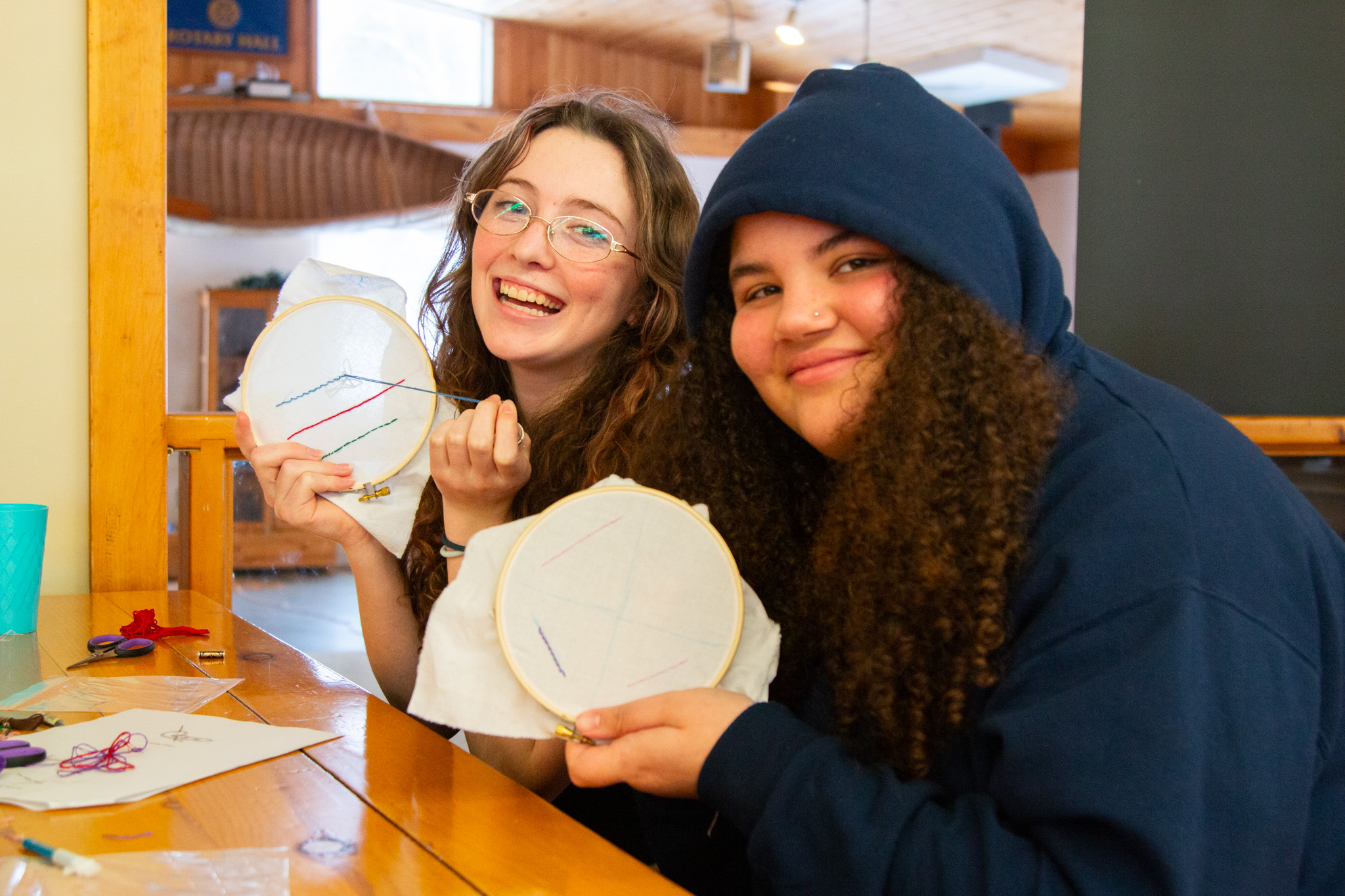
On day three, students participated in an orienteering session, using compasses to navigate the surrounding forest and locate checkpoints. After lunch, they continued fostering their outdoor skills with a winter survival lesson, learning how to construct a quinzhee—a Canadian snow shelter made from a large pile of loose snow that is shaped, then hollowed—and create stable shelter using a tarp and rope. The day wrapped up with an embroidery workshop followed by a campfire social.
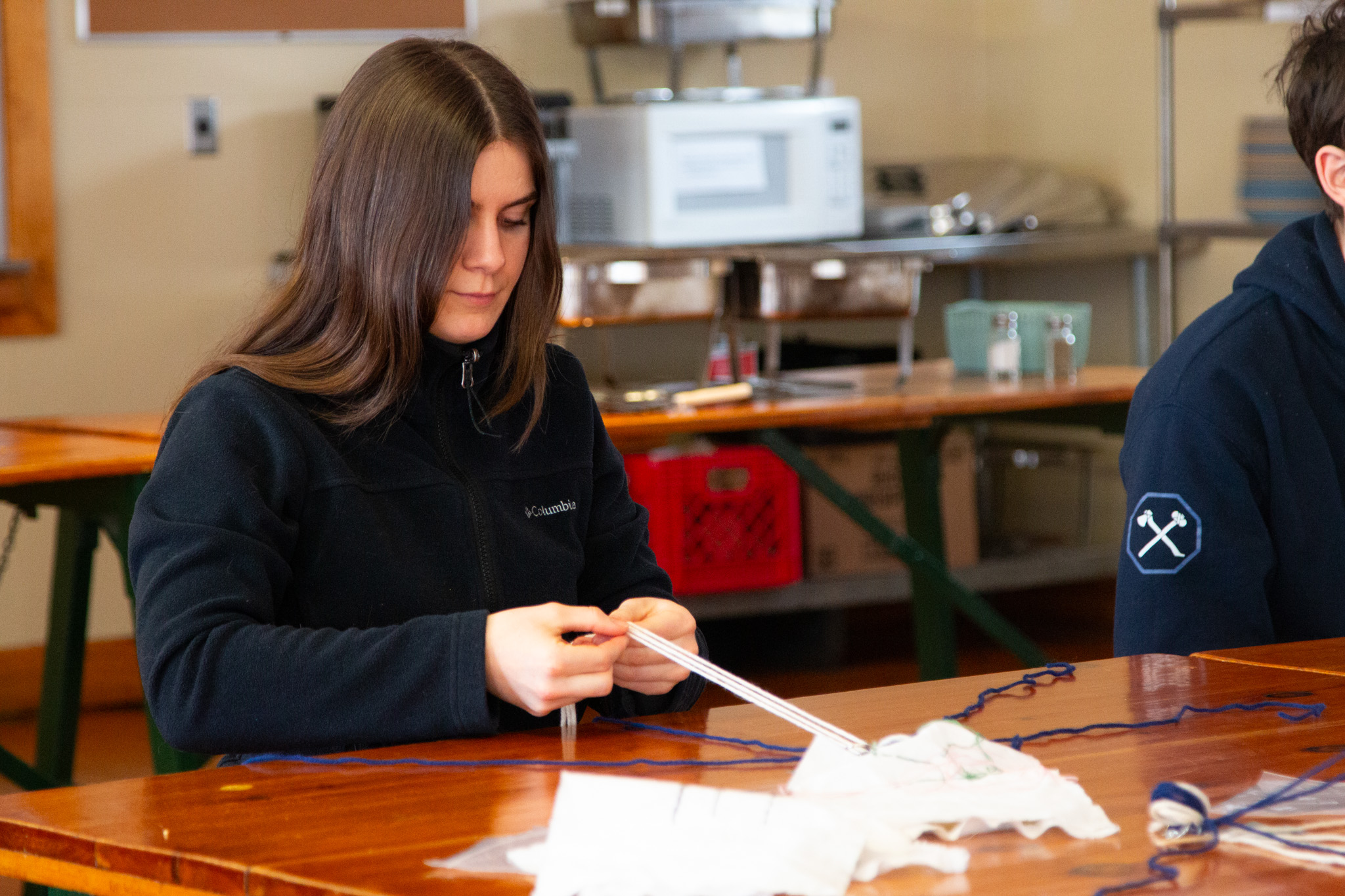
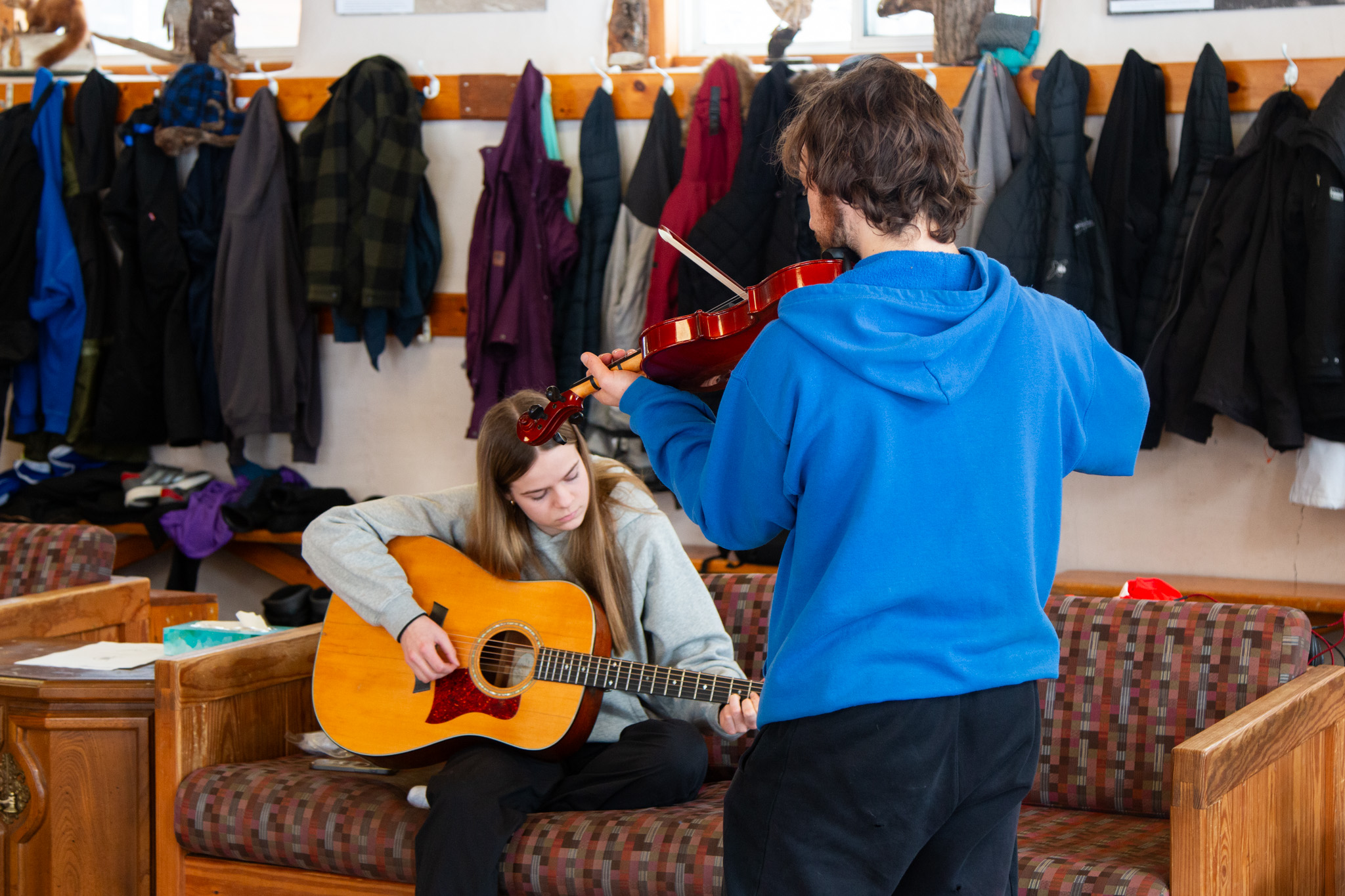
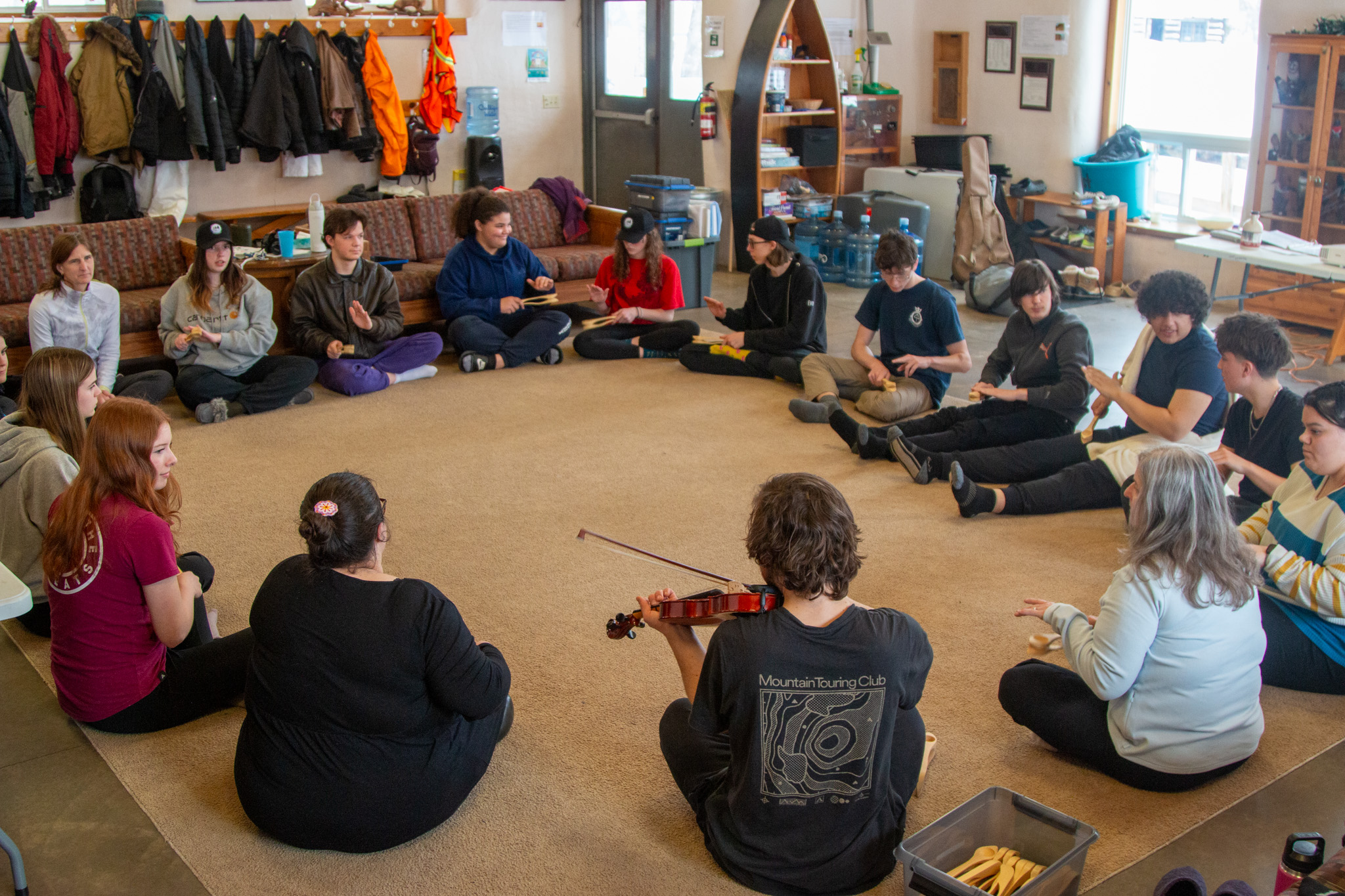
During the final full day of camp, students explored the significance of the Métis sash and took part in a finger-weaving workshop. In the afternoon, they enjoyed a Métis music lesson, spent time outdoors learning traditional games and dances.
As their time at camp came to an end, the students gathered for a special closing ceremony to reflect on their experiences, offer a prayer, thank the dedicated MNO staff, and celebrate the youth graduating from the program. The evening also welcomed six new members to the camp community through a traditional sash presentation. Among the eight other campers are many returning participants who enjoy the experience so much that they come back camp after camp.
“It’s rewarding to see students genuinely engaged and excited about these camps,” says Métis Youth Culture Camp Project Coordinator André Nault. “Even more meaningful are the lifelong connections formed here, helping to build a strong sense of community.”
Students departed Camp Kawartha with lasting memories, new friendships, and a deeper appreciation for the knowledge and traditions shared throughout the experience.
Maarsii to this year’s students and staff who made the week unforgettable.