
Land-based learning highlighted at 7th Annual MNO Early Learning and Child Care Conference
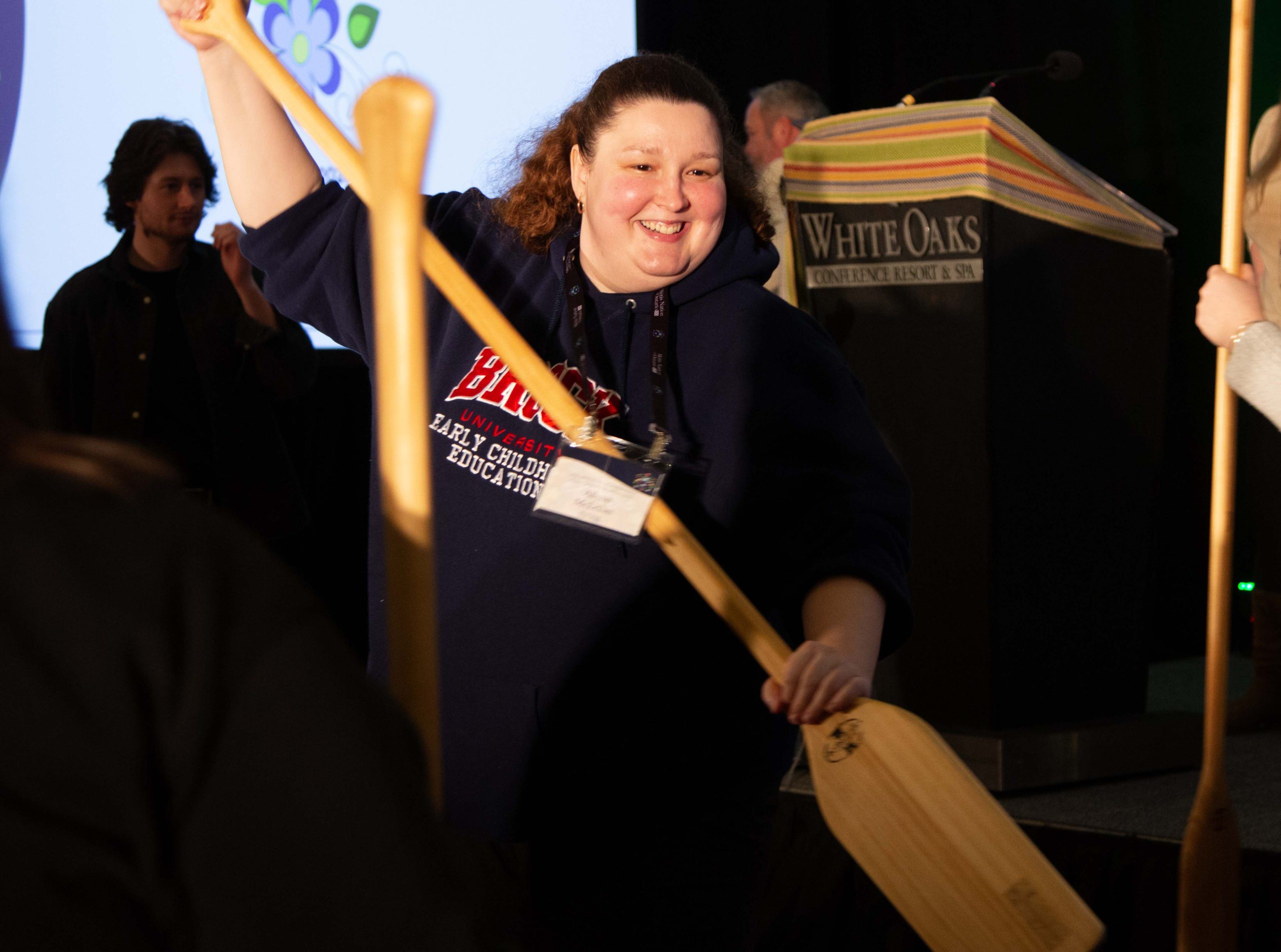
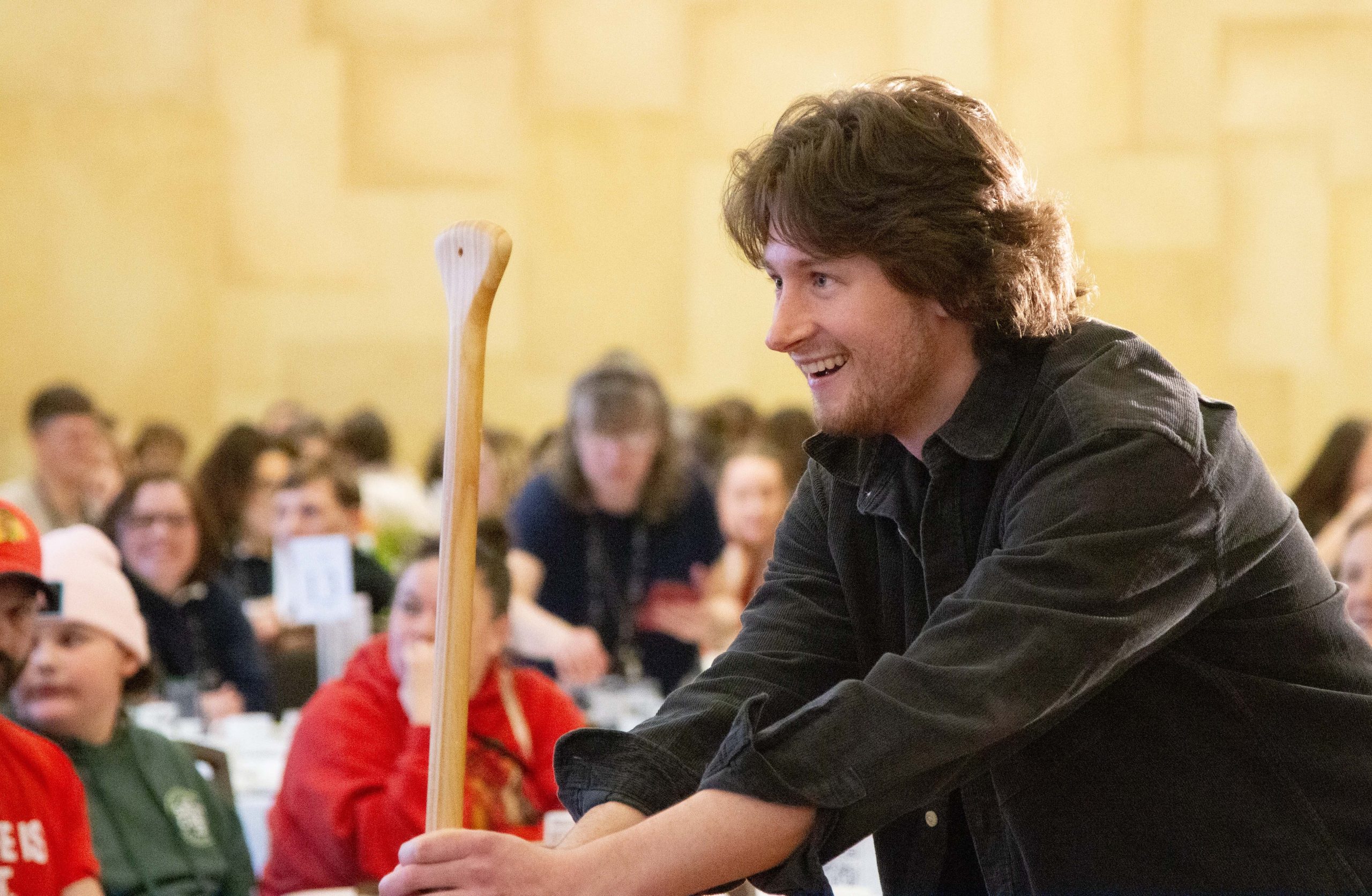
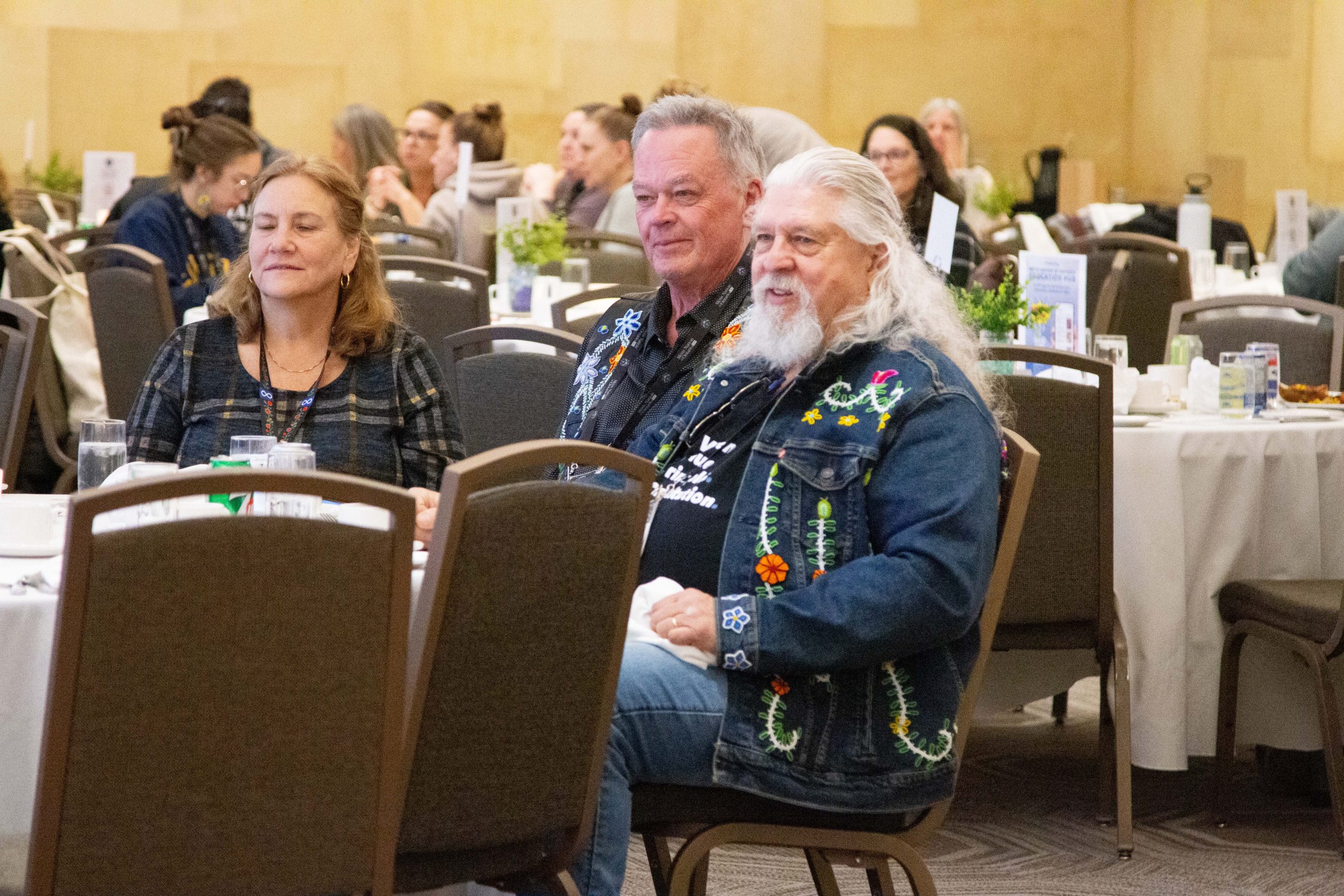
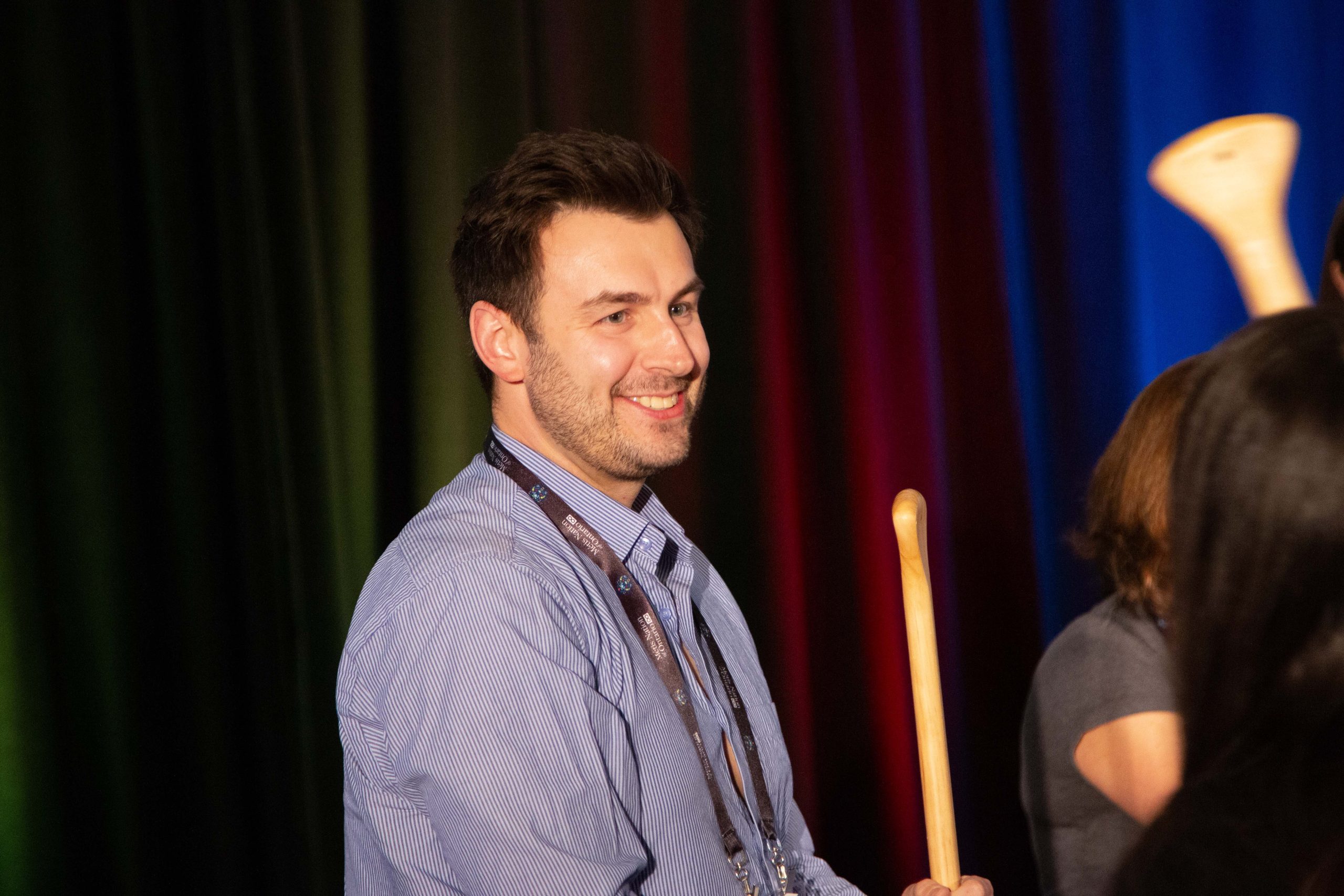
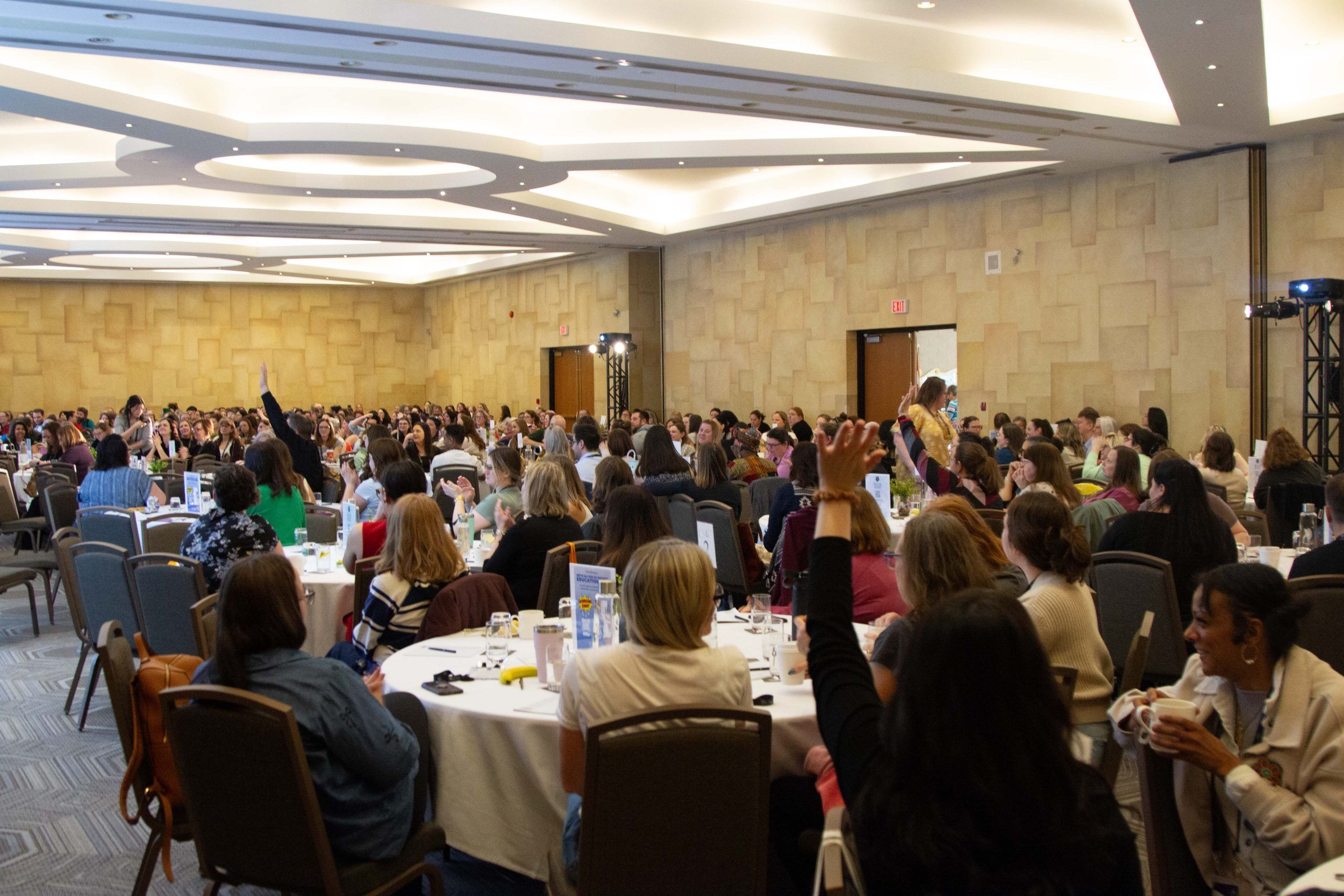
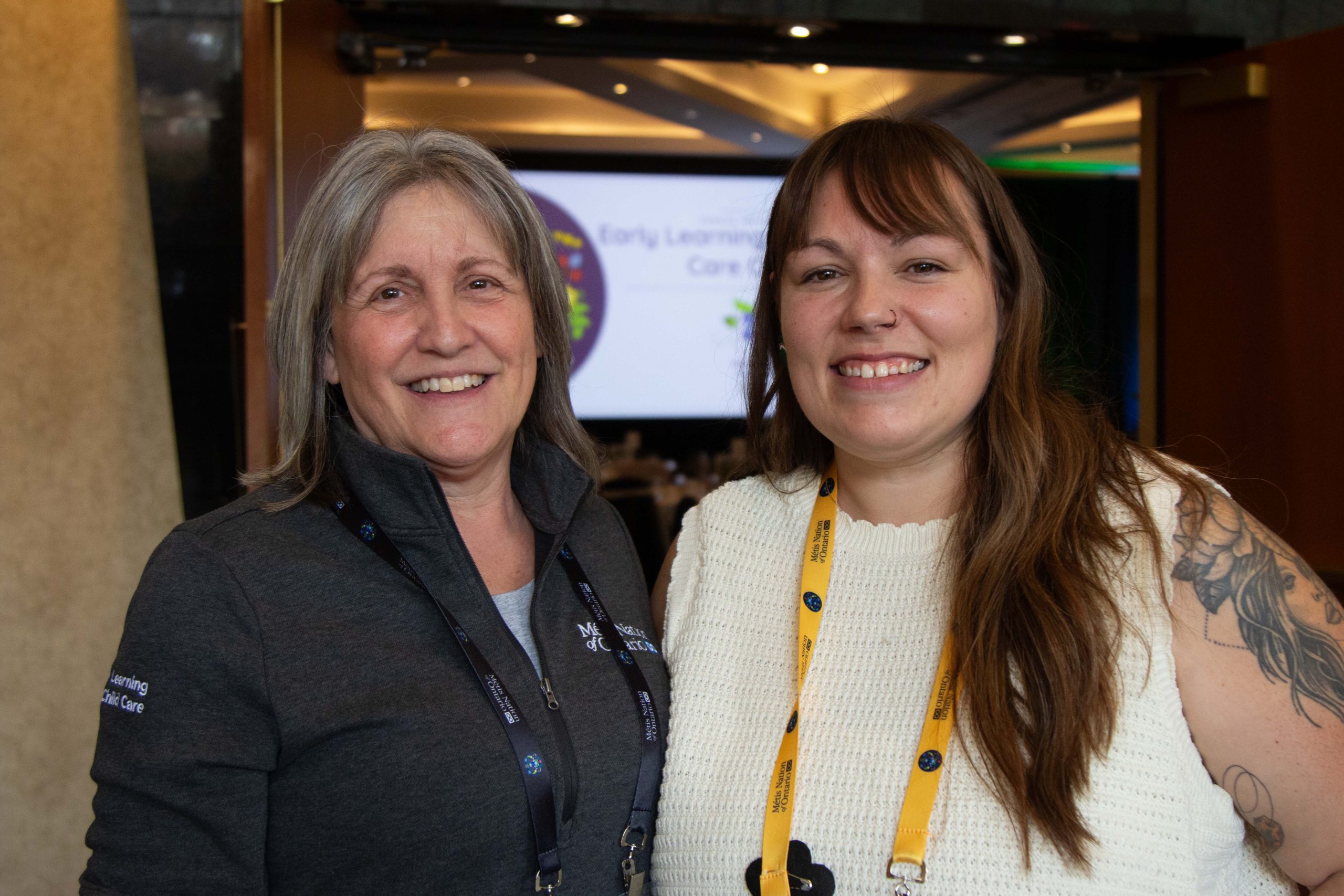
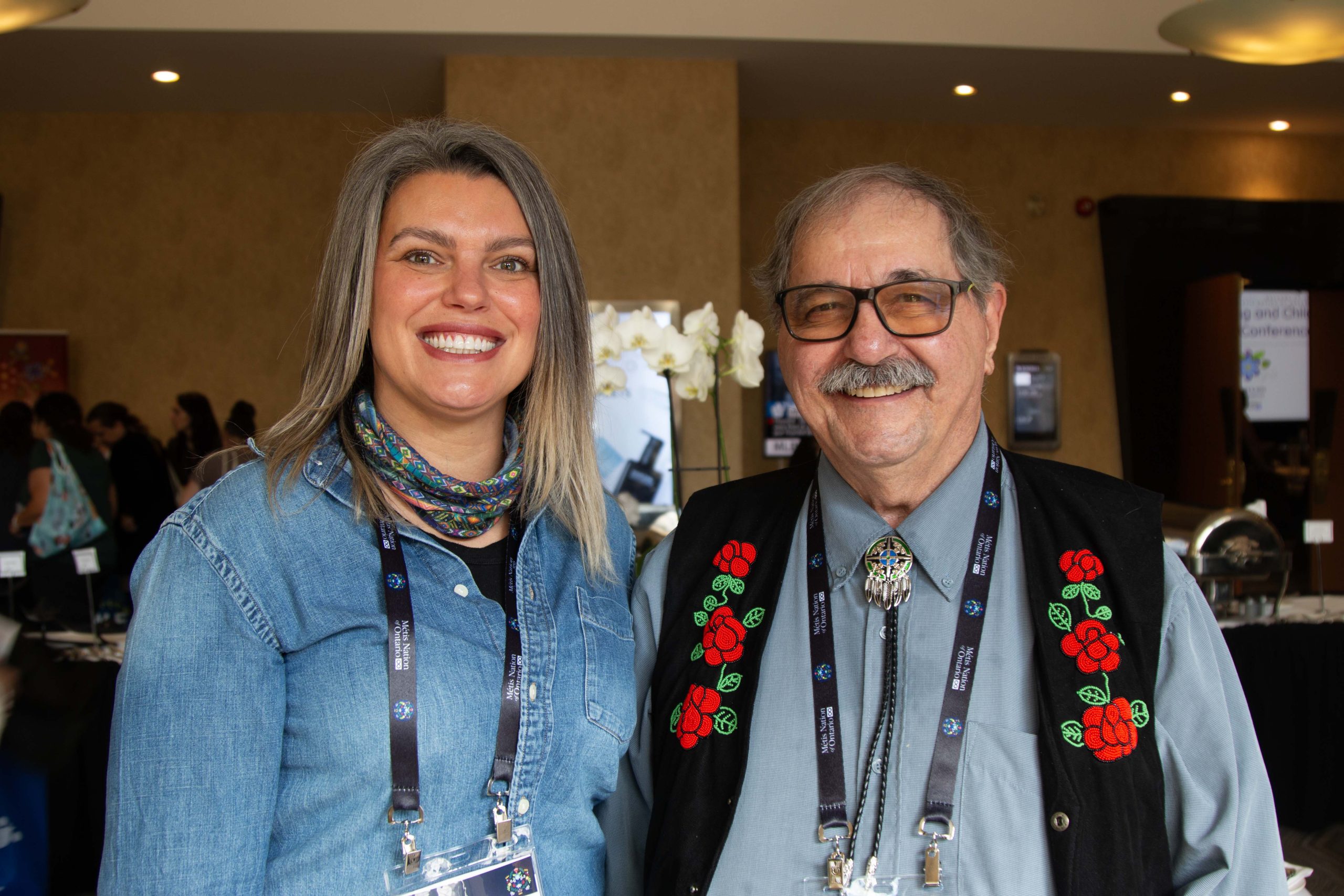
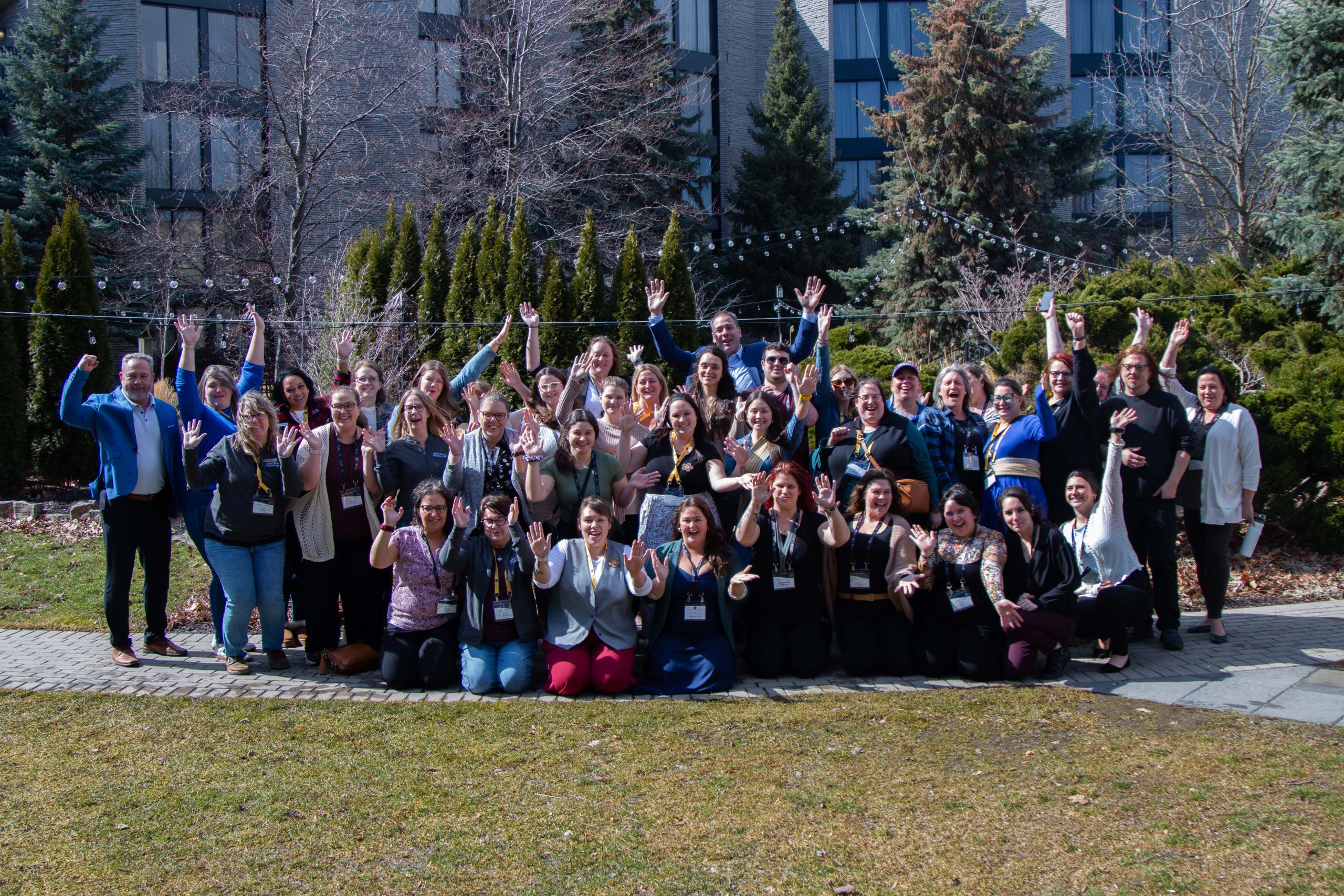
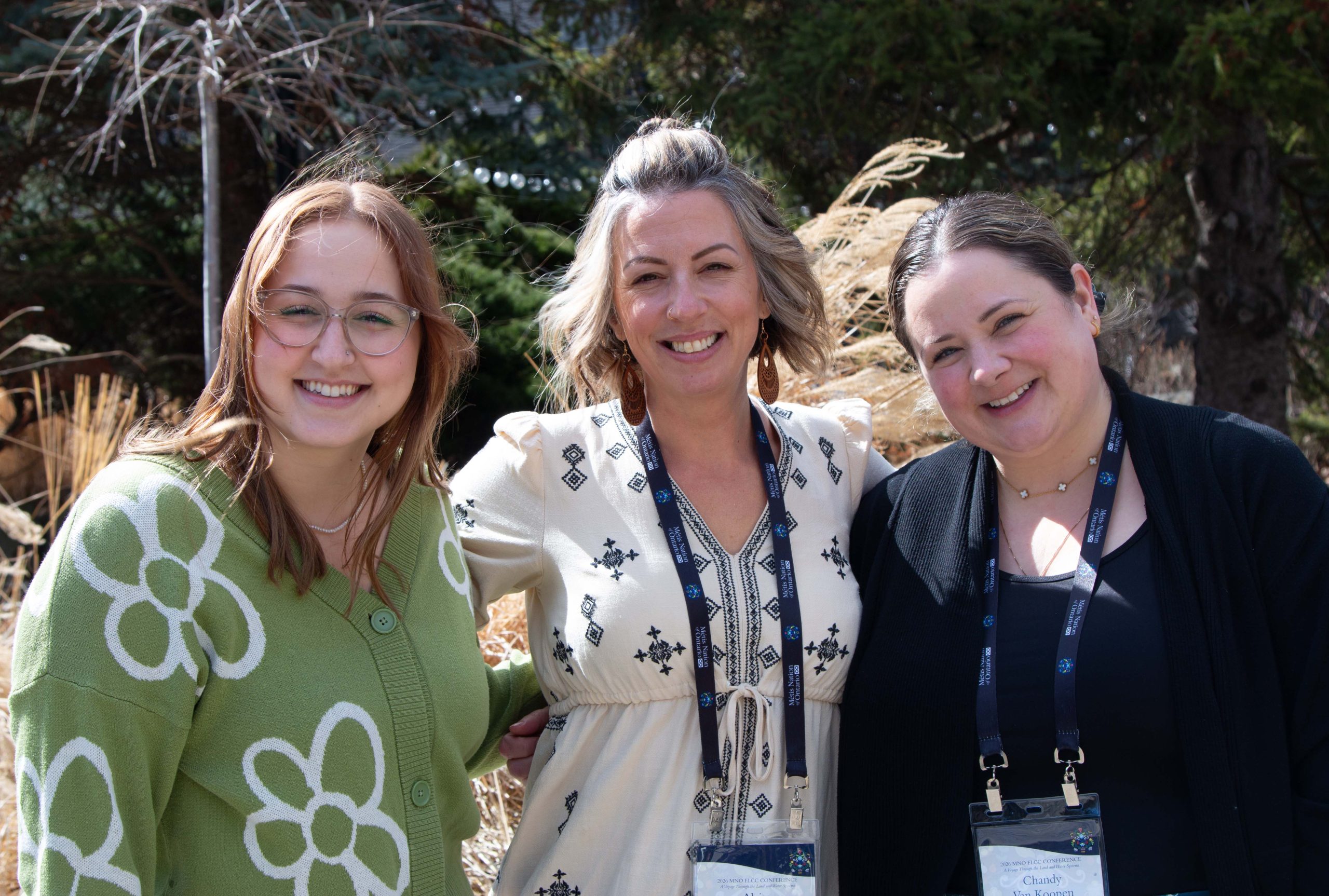
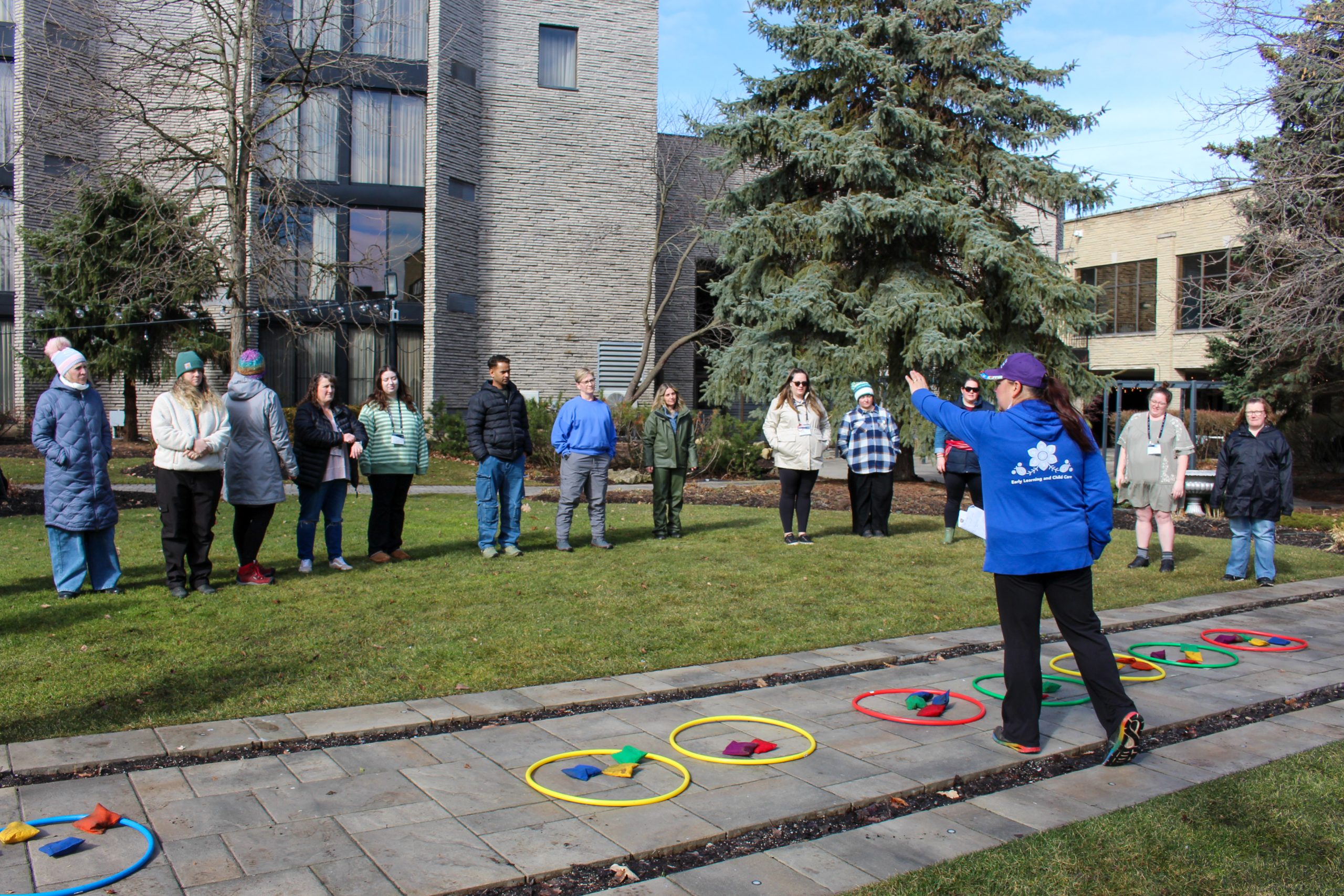
Educators, knowledge holders, and community leaders from across Ontario gathered in March for the Métis Nation of Ontario’s Early Learning and Child Care (ELCC) Conference, a three-day event exploring the role of nature and land-based learning in early childhood education. The conference highlighted how Métis culture and ways of life can be woven into learning environments for young children.
Held over three days in Niagara-on-the-Lake at the White Oaks Resort and Spa, the conference provided opportunities for professionals to exchange ideas, participate in hands-on workshops, and celebrate Métis-specific early childhood education. The event reflects the MNO’s commitment to providing Métis families and children with culturally grounded learning, reinforced by the 2019 Canada–Métis Nation Early Learning and Child Care Accord.
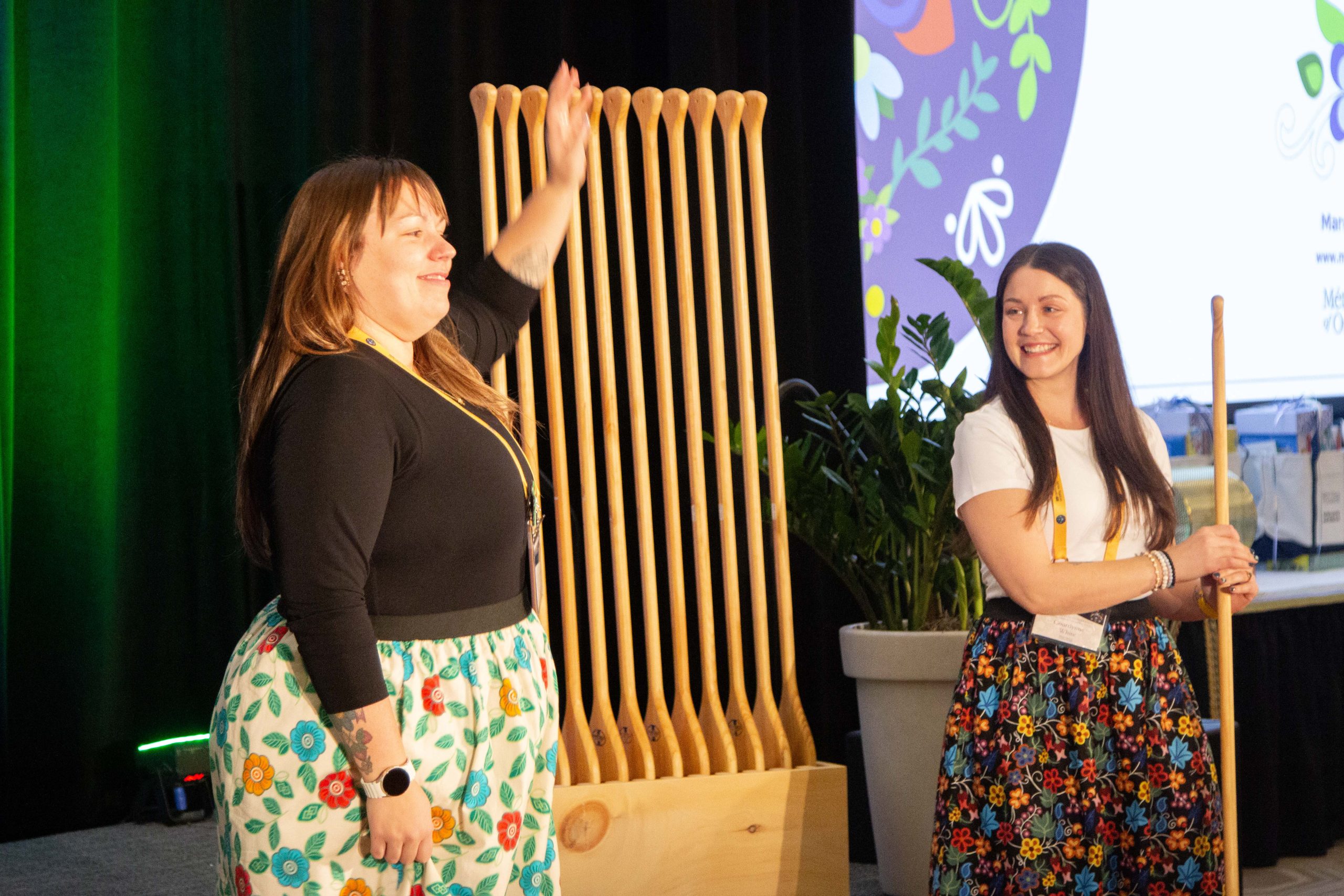
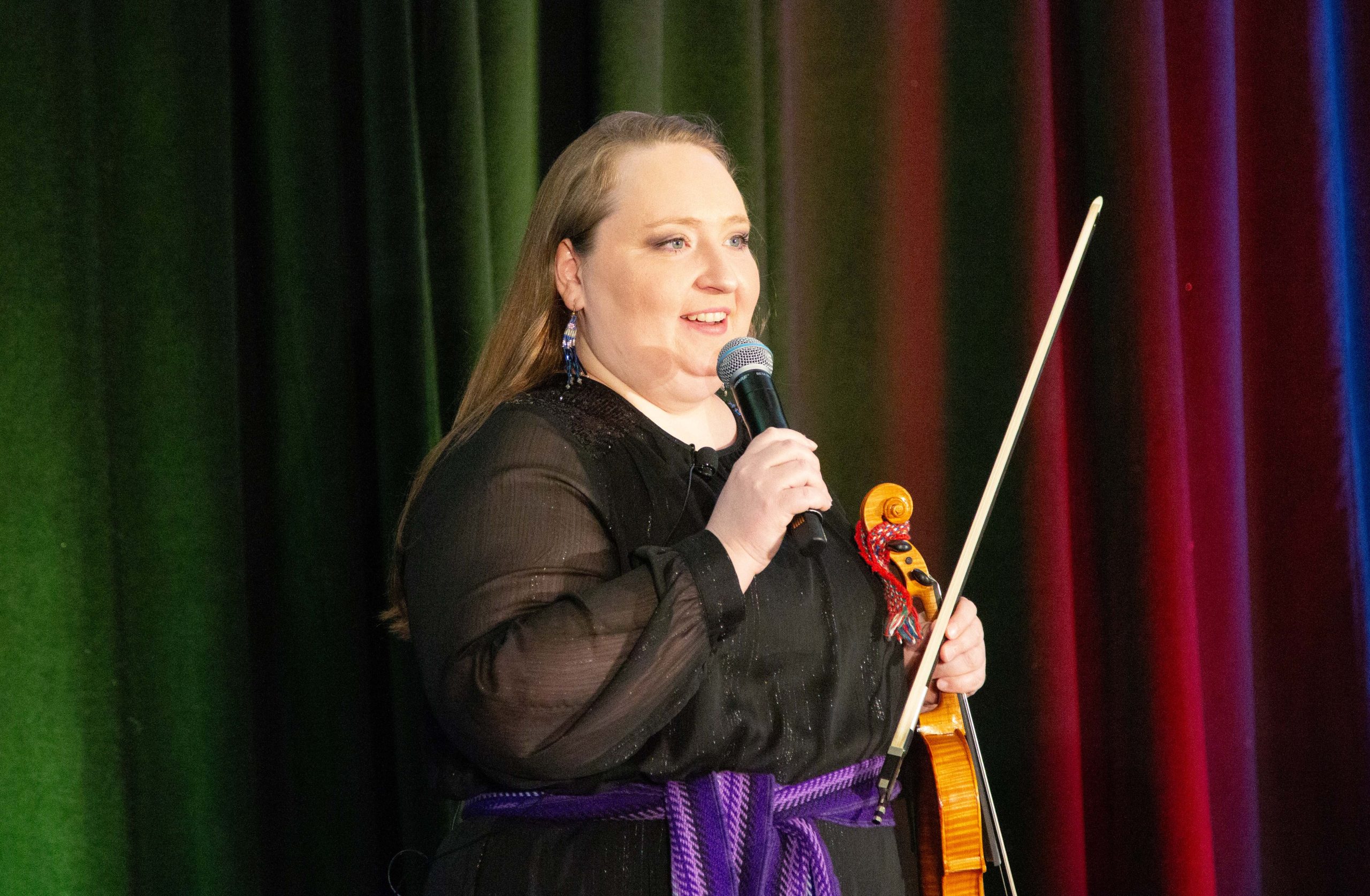
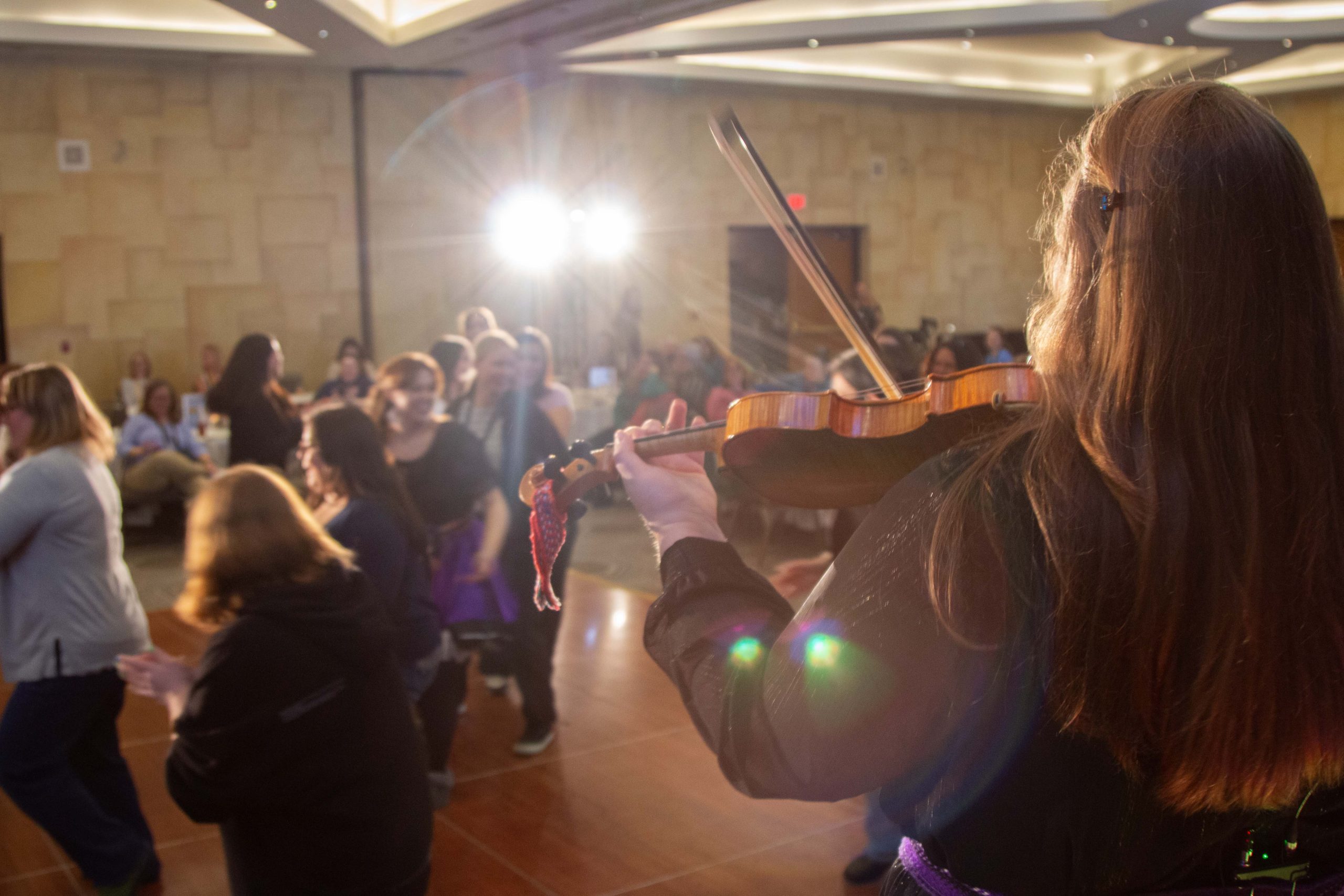
A lively Kitchen Party on Friday evening set the tone for the weekend as music, food, and dance filled the air. The highlight of the evening was an engaging session with fiddler Alicia Blore and jiggers Megan and Teagan, as participants learned traditional Métis celebration activities.
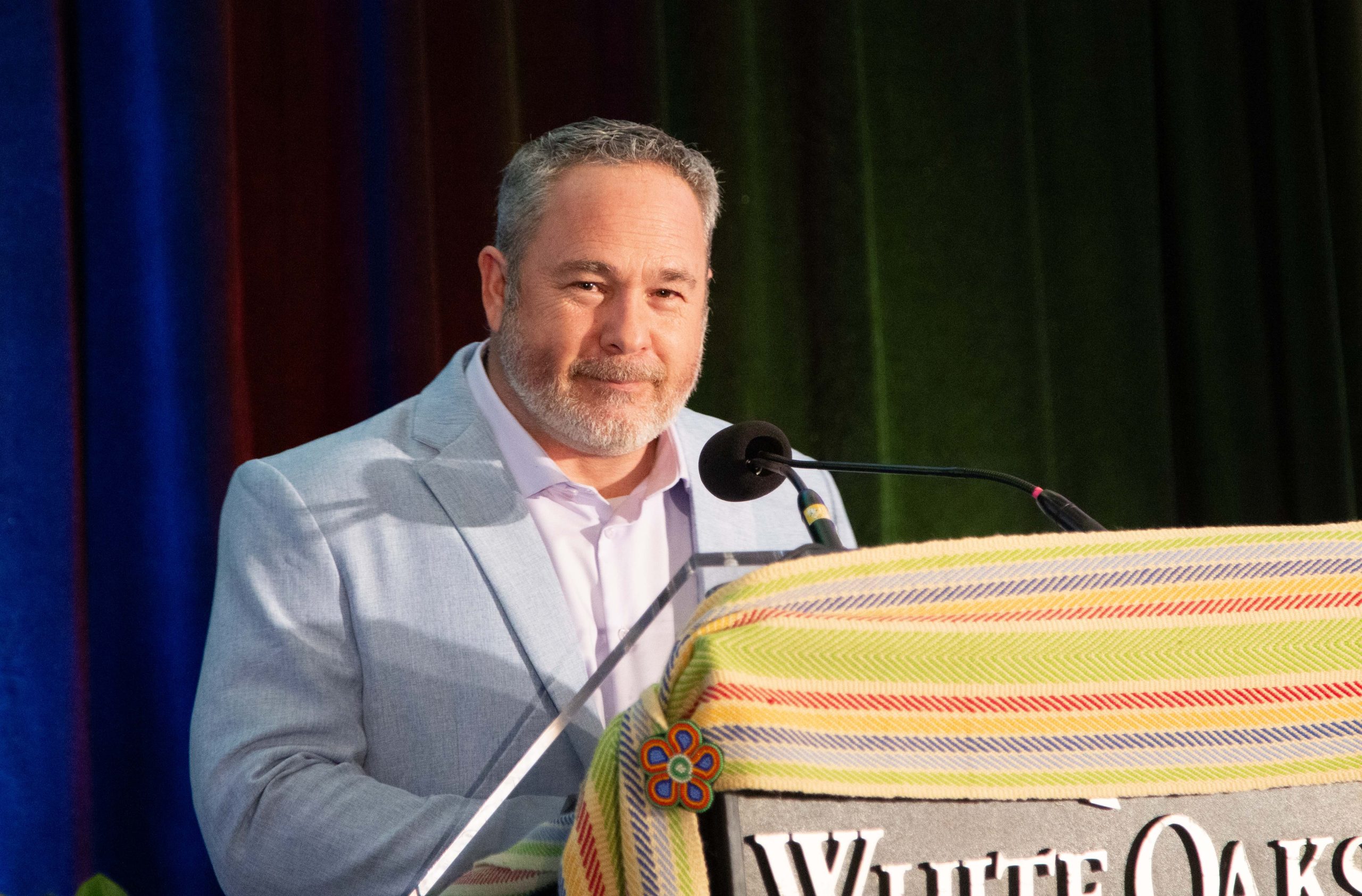
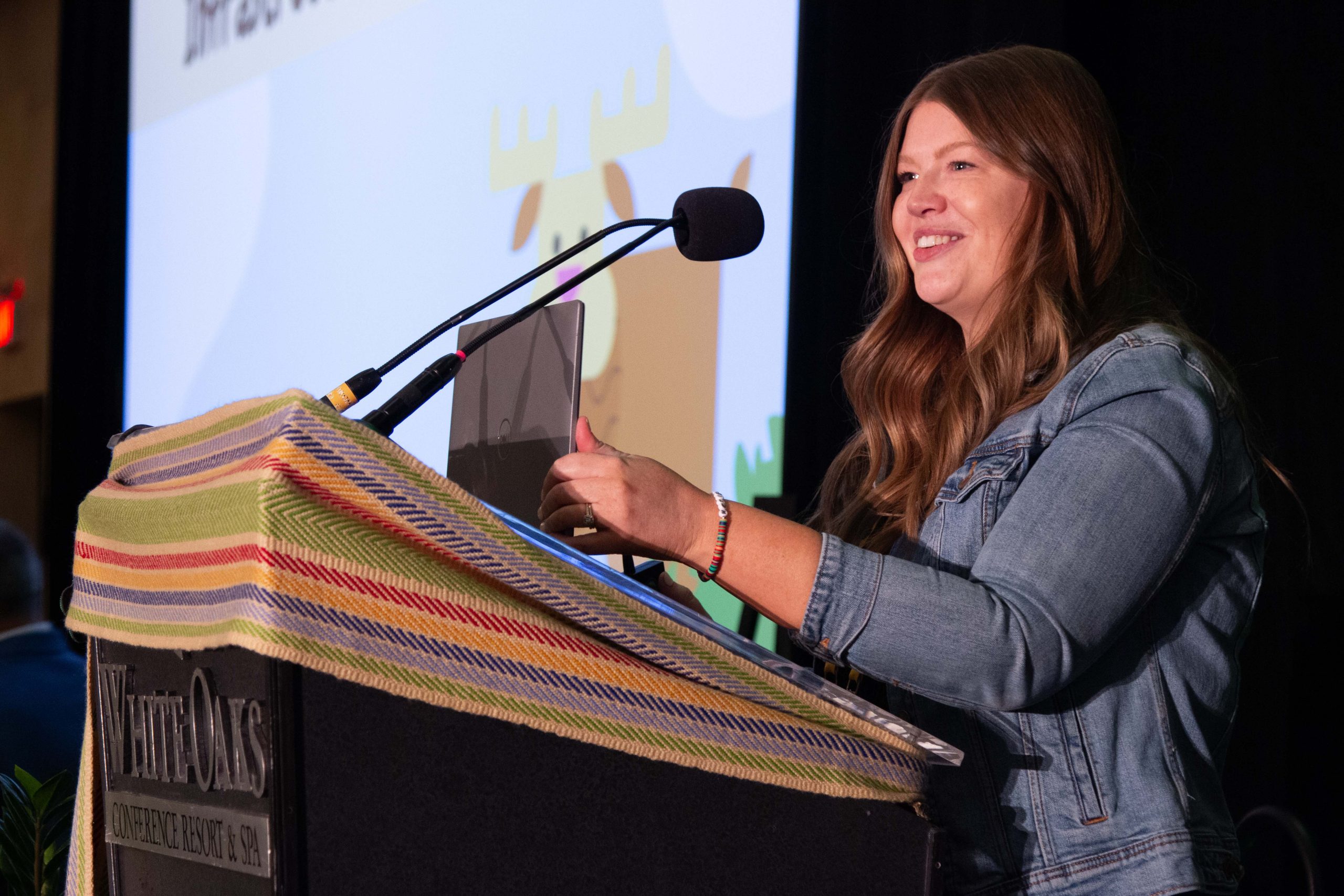
The conference opened with a prayer from Niagara Region Métis Council Senator Jean-Jacques Seguin, followed by opening remarks from MNO Manager of Early Learning Infrastructure and Partnerships Louise Humphreys.
“This year’s conference, A Voyage through the Lands and Water Systems, explores nature, land, and water teachings,” said Humphreys. “Over the next few days, you will hear stories, share experiences, and participate in engaging conversations. We hope you leave feeling connected to one another, to your work, and to the land itself.”
Attendees also heard from Sarah Spethmann, MNO Early Learning Specialist, Pedagogy, who presented Bringing Métis Ways of Being into Learning Spaces. Her presentation set the stage for discussions on how educators can incorporate Métis culture and perspectives into early learning settings.
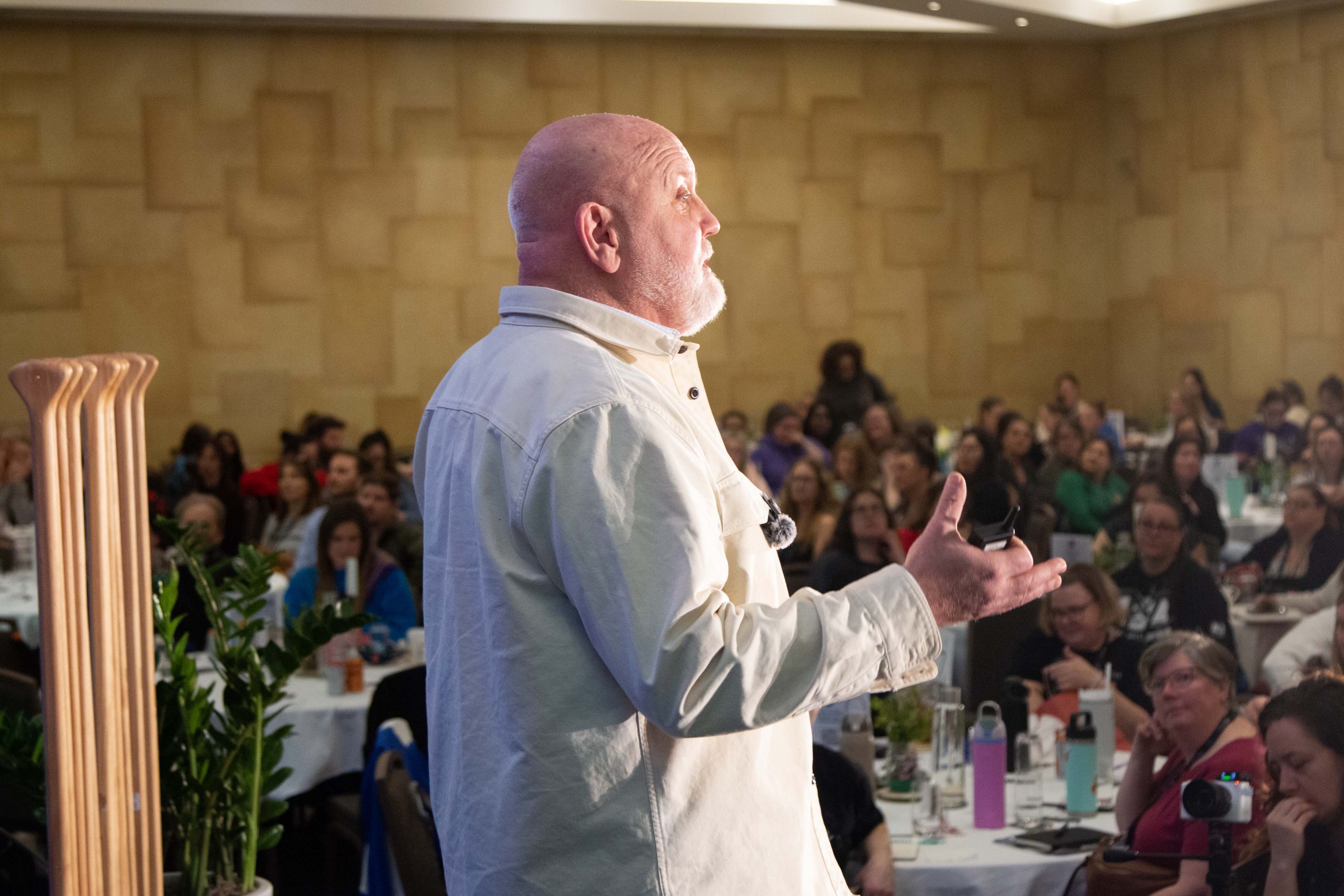
Keynote speaker Adam Bienenstock inspired participants with his address, Getting Past the Grown-Ups, emphasizing the importance of safe and engaging outdoor spaces where children can explore, take risks, and deepen their connection to nature.
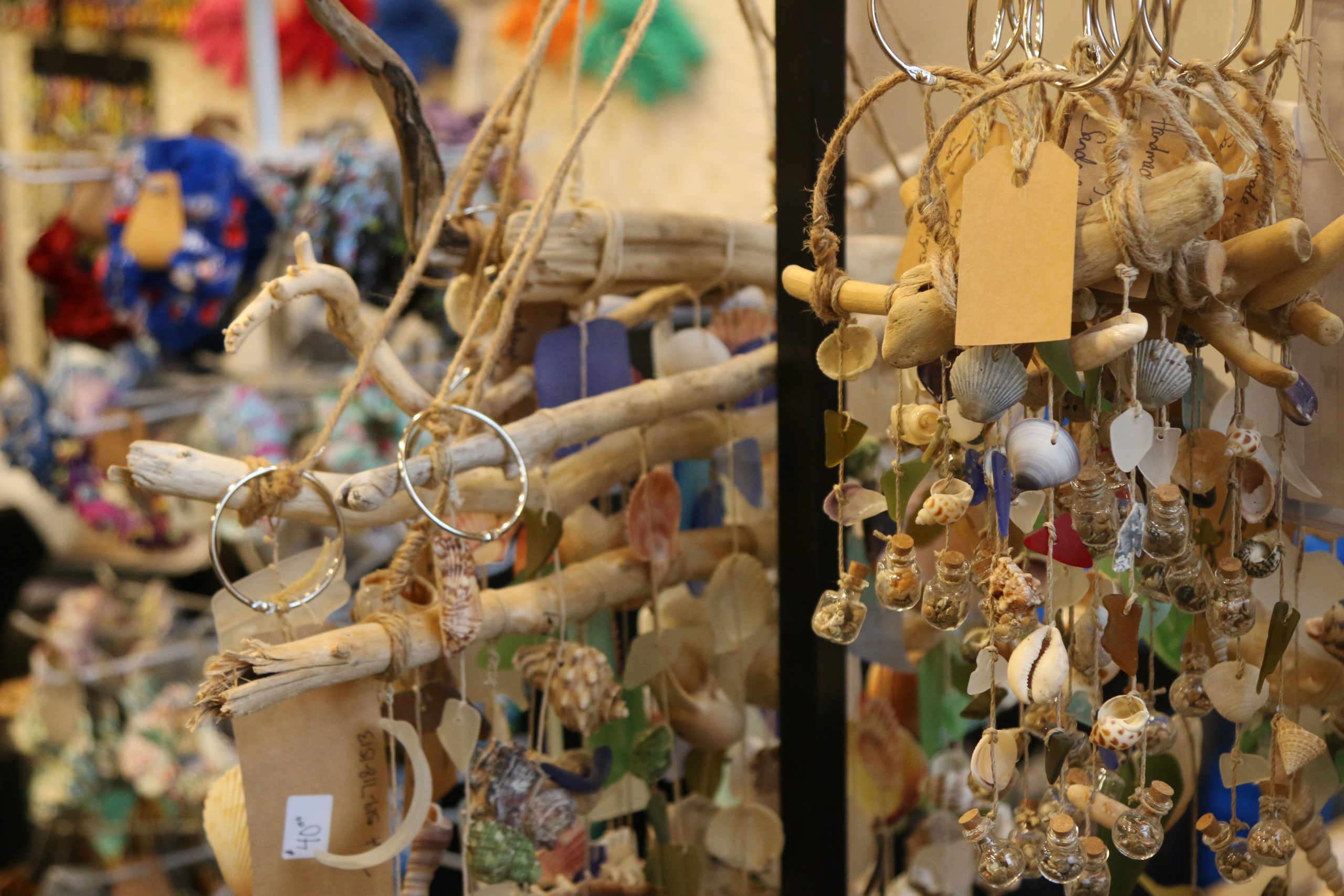
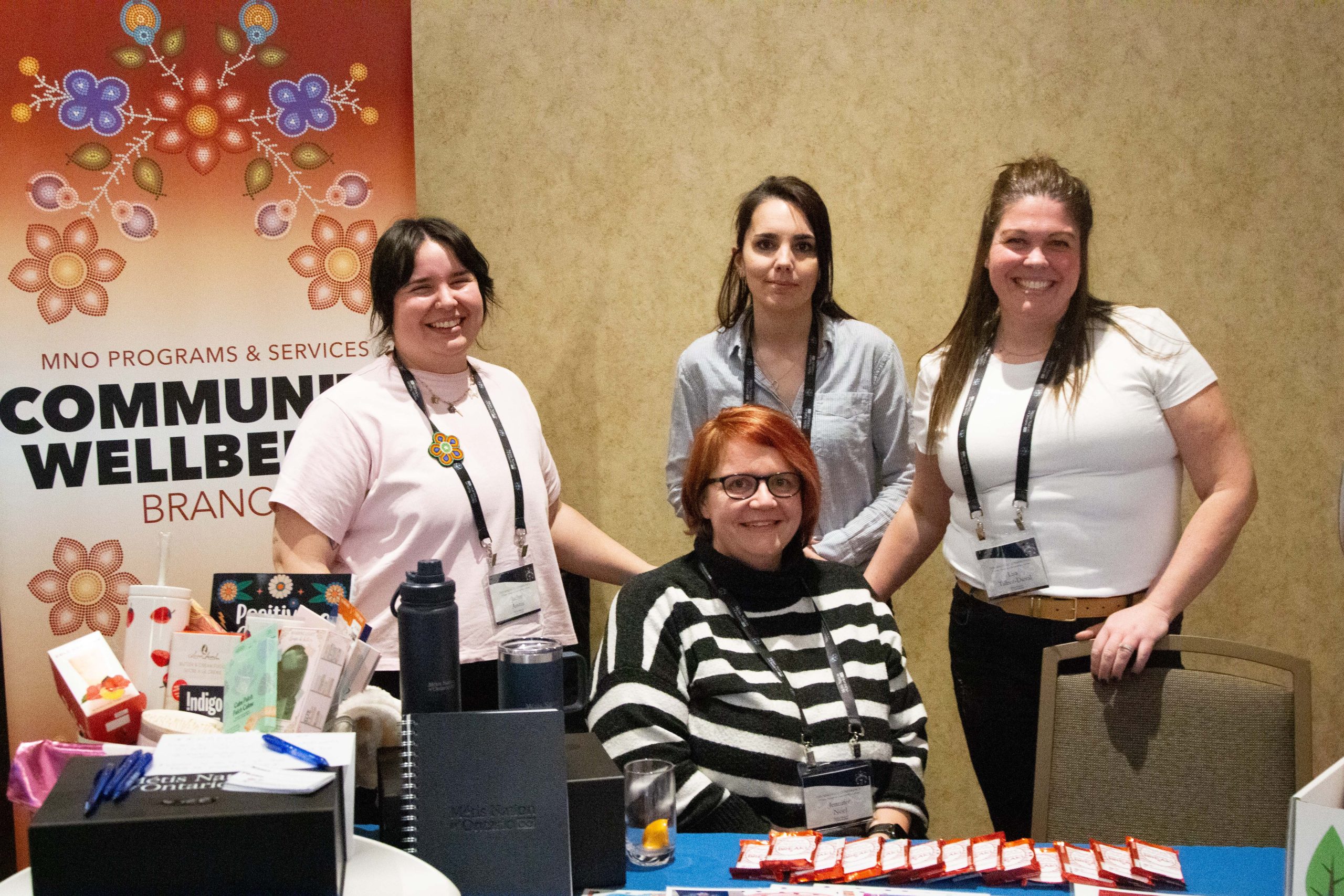
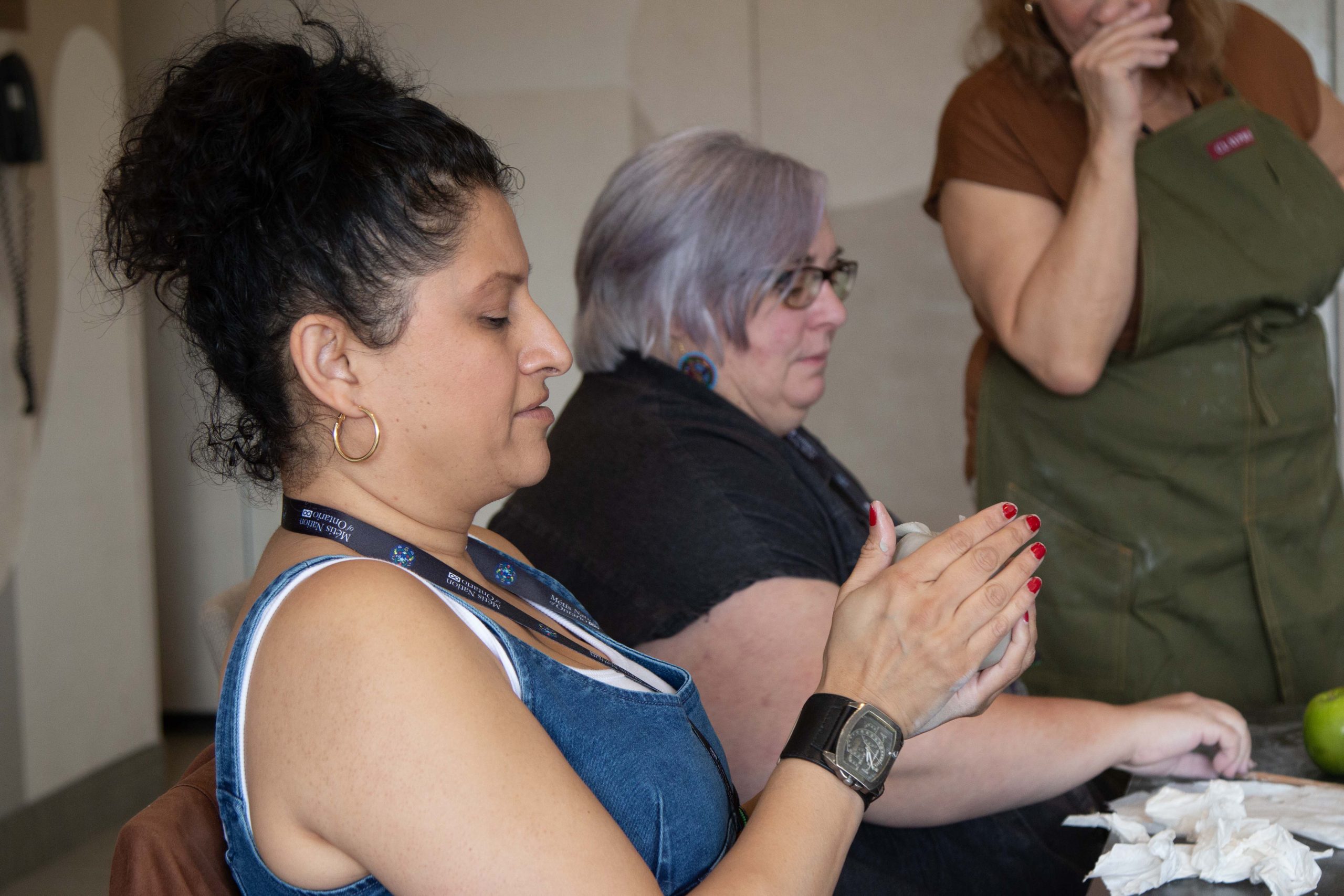
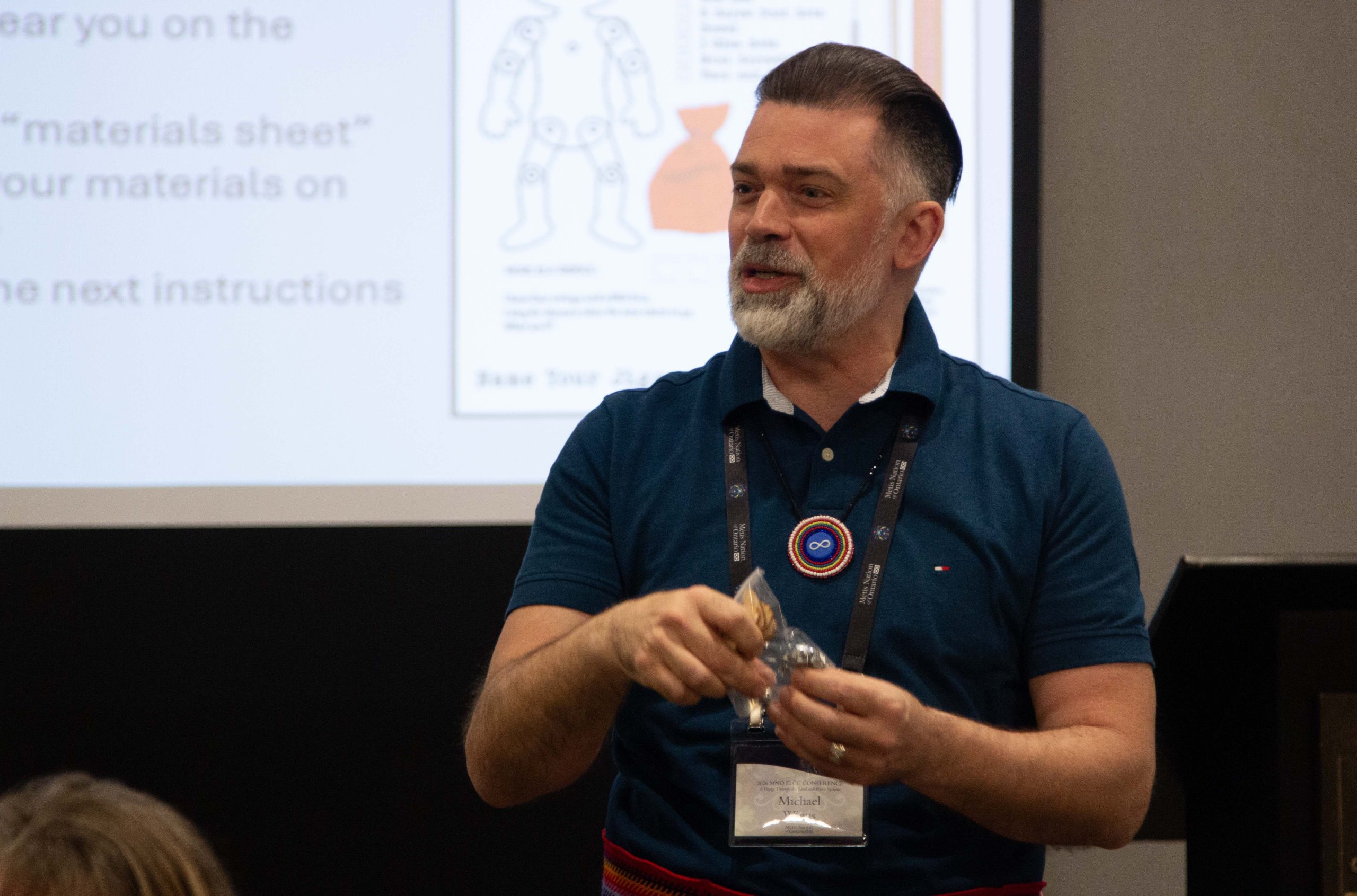
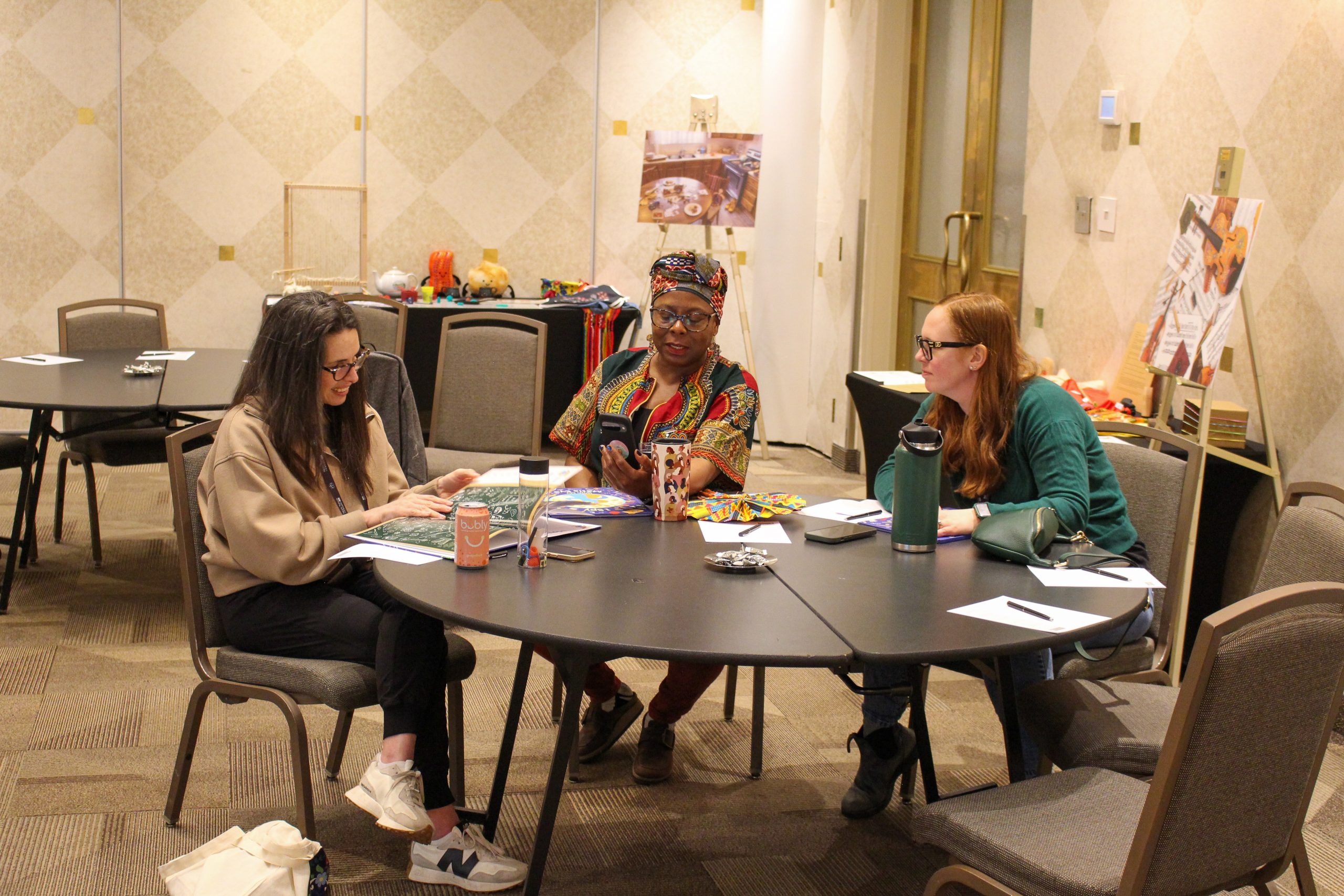
Breakout sessions explored key themes in Métis early learning, including outdoor play, language learning, and the cultural significance of land and water. Participants also supported Métis artisans and entrepreneurs at the vendor fair, connected with MNO staff, and took advantage of networking opportunities.
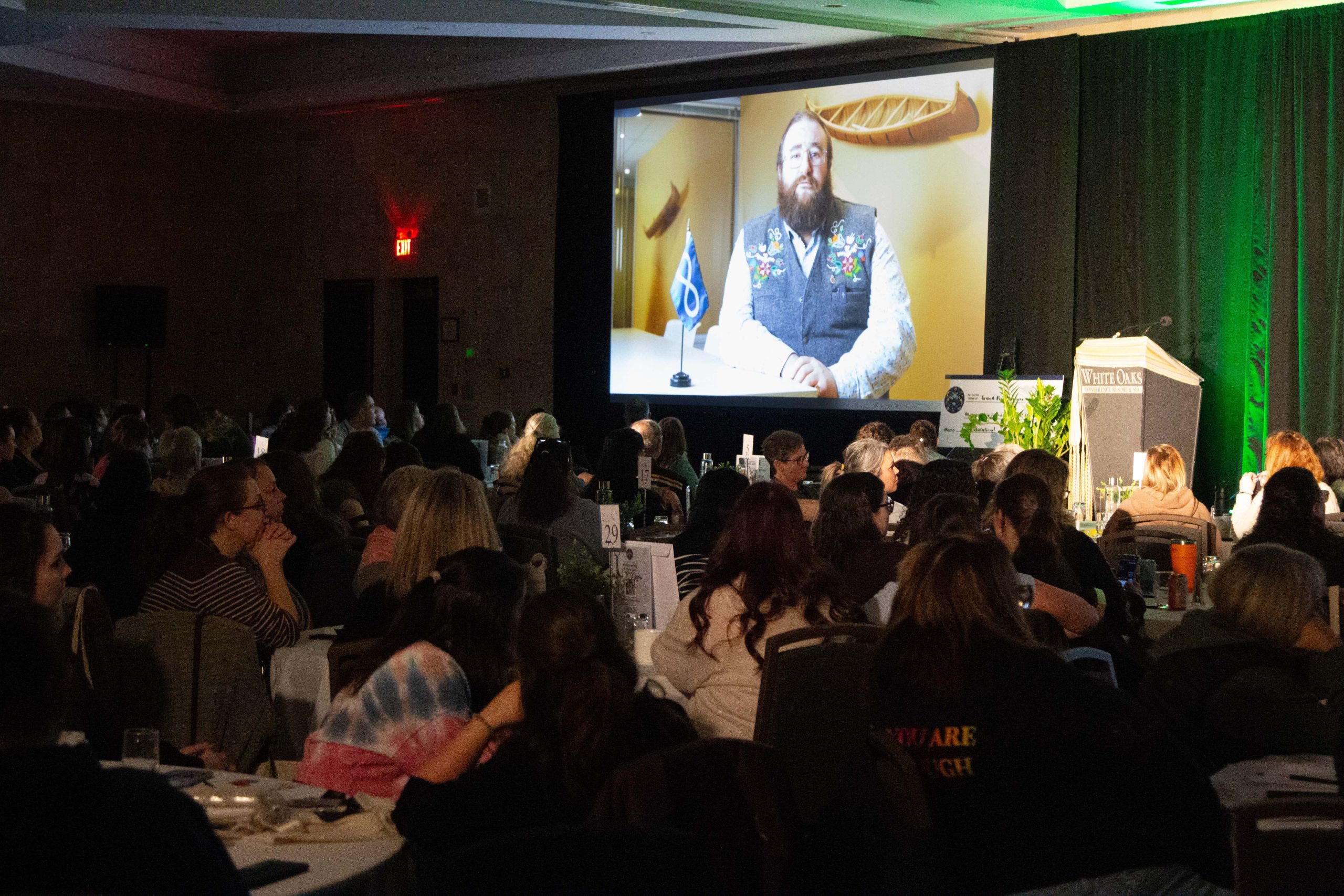
On the second day of the conference, Provincial Secretary of Education Mitch Case delivered remarks virtually, commending educators for the important work they do.
“Those who work in early childhood education carry an extraordinary responsibility,” said Case. “Educators help shape identity, confidence, and resilience at the earliest and most critical stages of life. We encourage educators to work alongside us to help ensure Métis children remain connected to their culture and way of life.”
The conference was a reminder that learning is not confined to the classroom—it lives in the land, the water, and in the relationships that guide how children experience the world.
“The work you do every day as educators shapes the next generation of Métis leaders, knowledge keepers, and community builders,” said Dr. Bryanna Scott-Kay, Director of Education and Training. “Creating spaces where all children feel rooted, valued, and connected reflects the Métis Nation’s resilience and cultural richness.”
Maarsii to the organizers for making this year’s conference a success, and to the educators for their lasting impact on young learners.