
Métis leaders meet with federal Housing and Infrastructure Minister
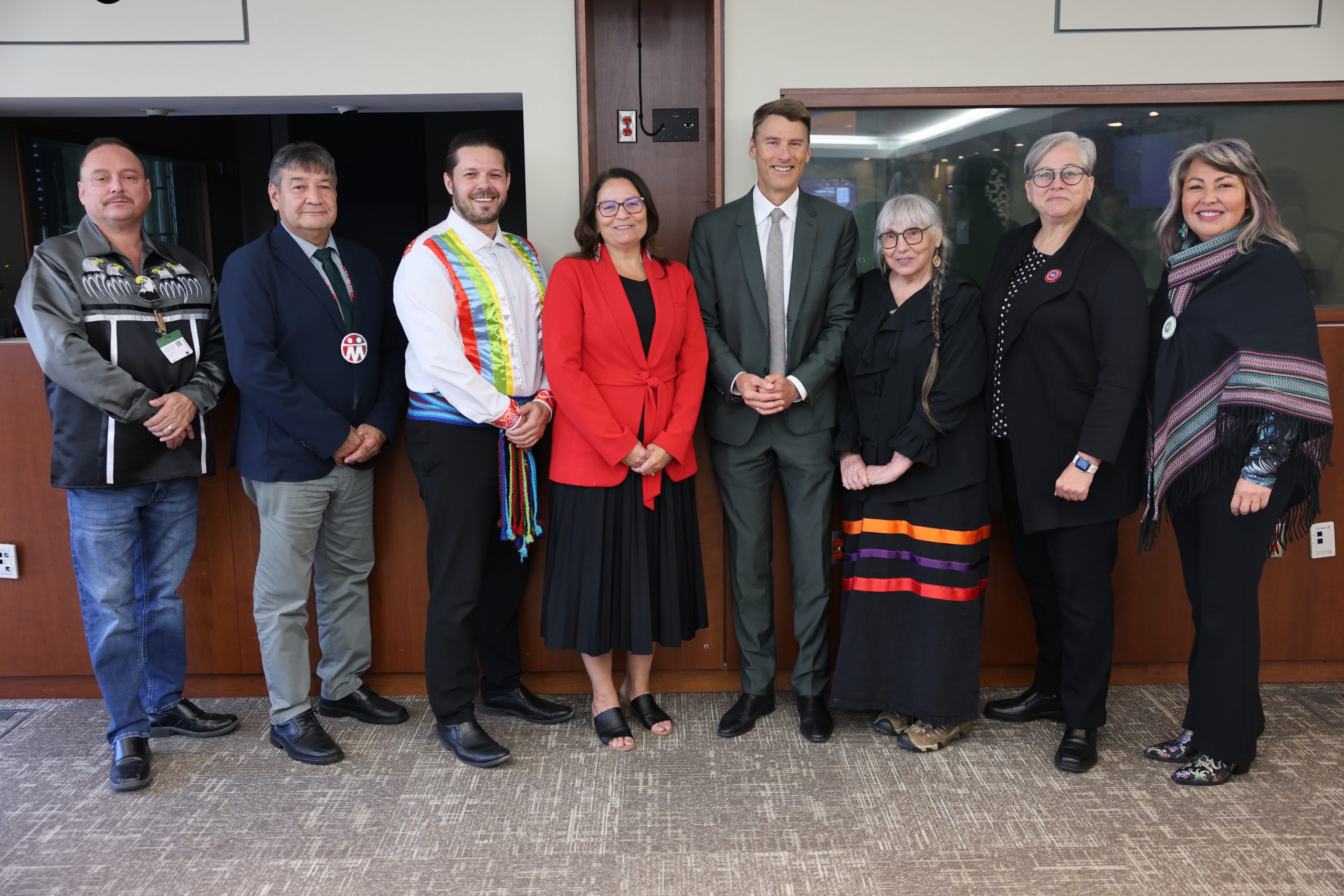
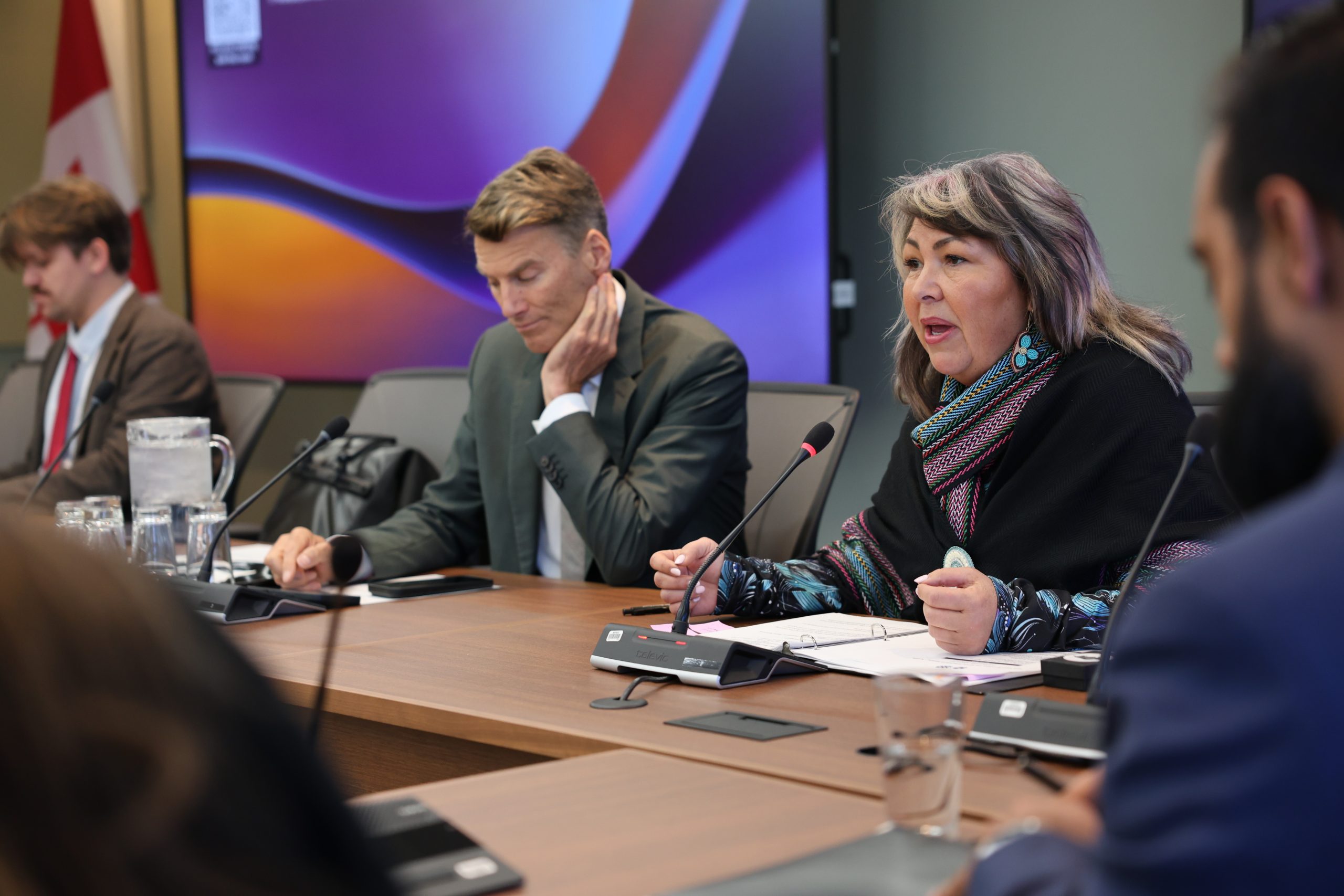
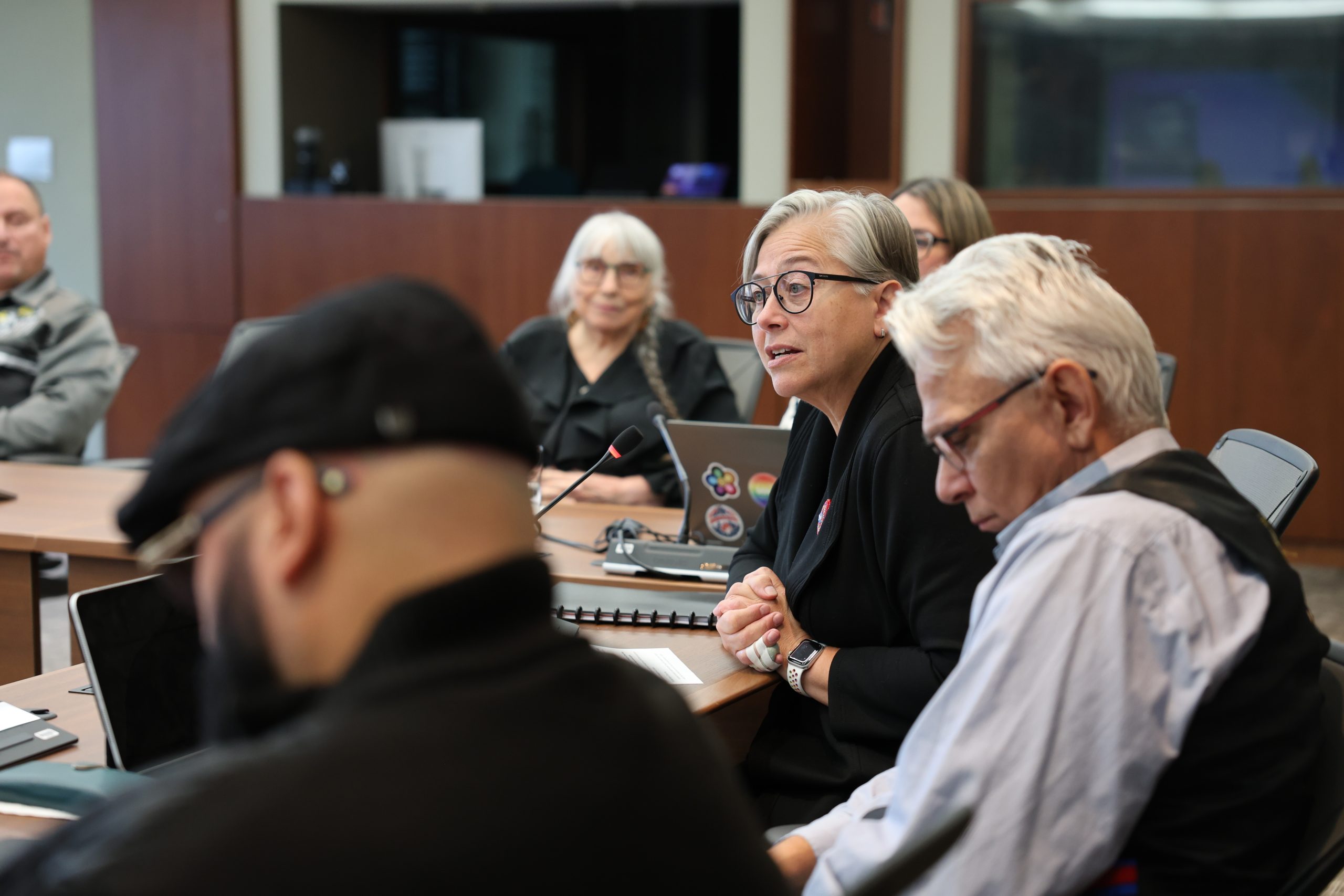
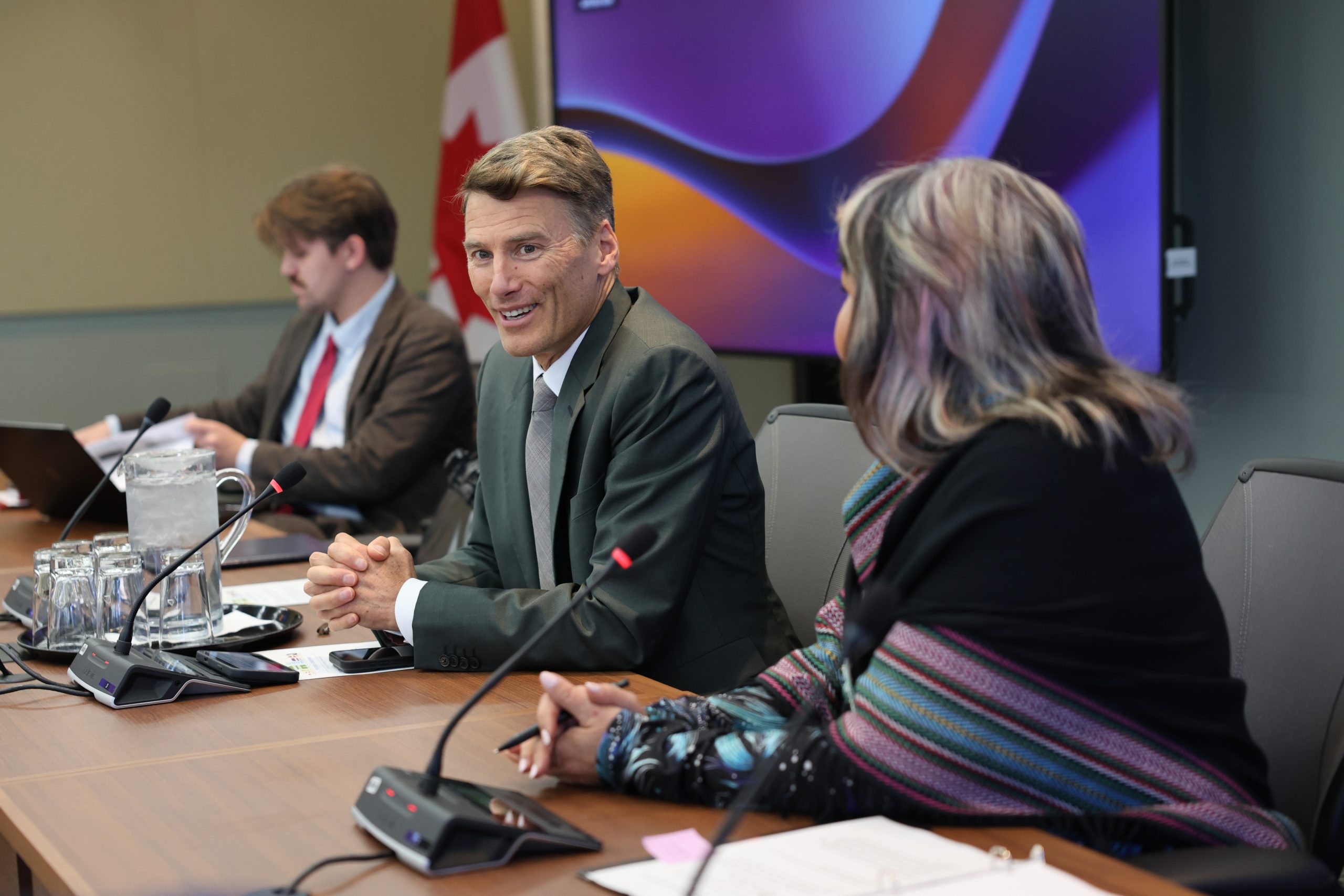
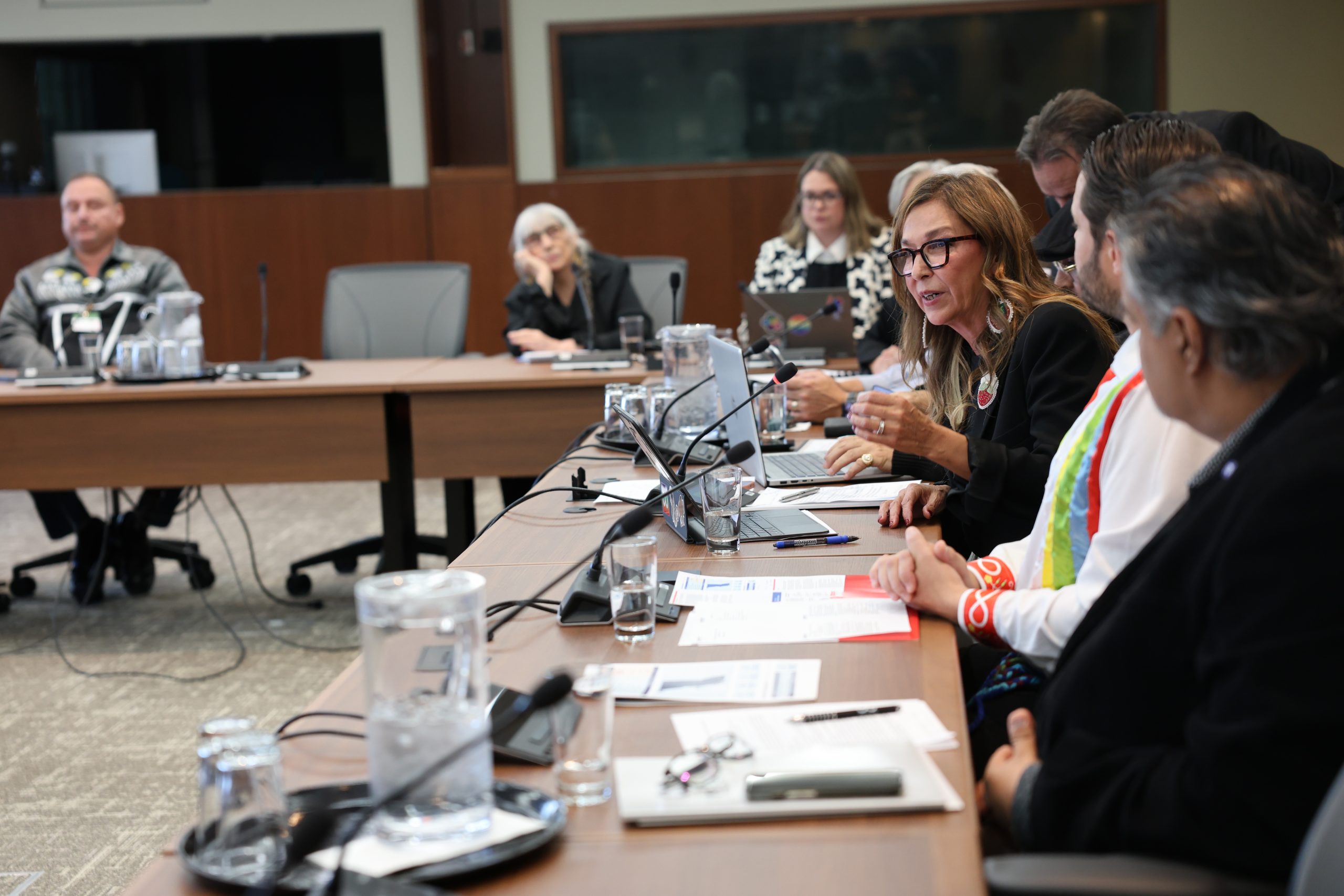
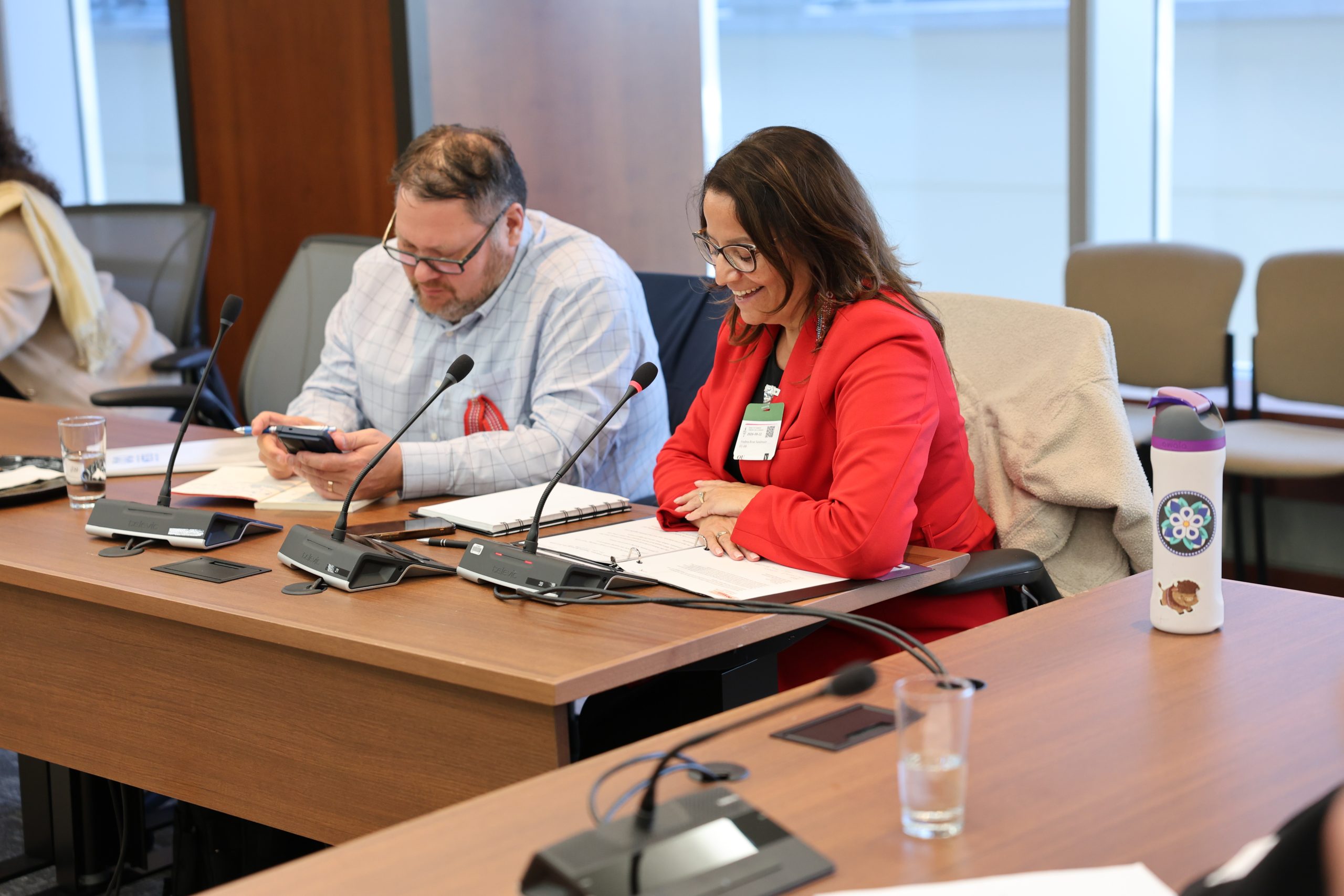
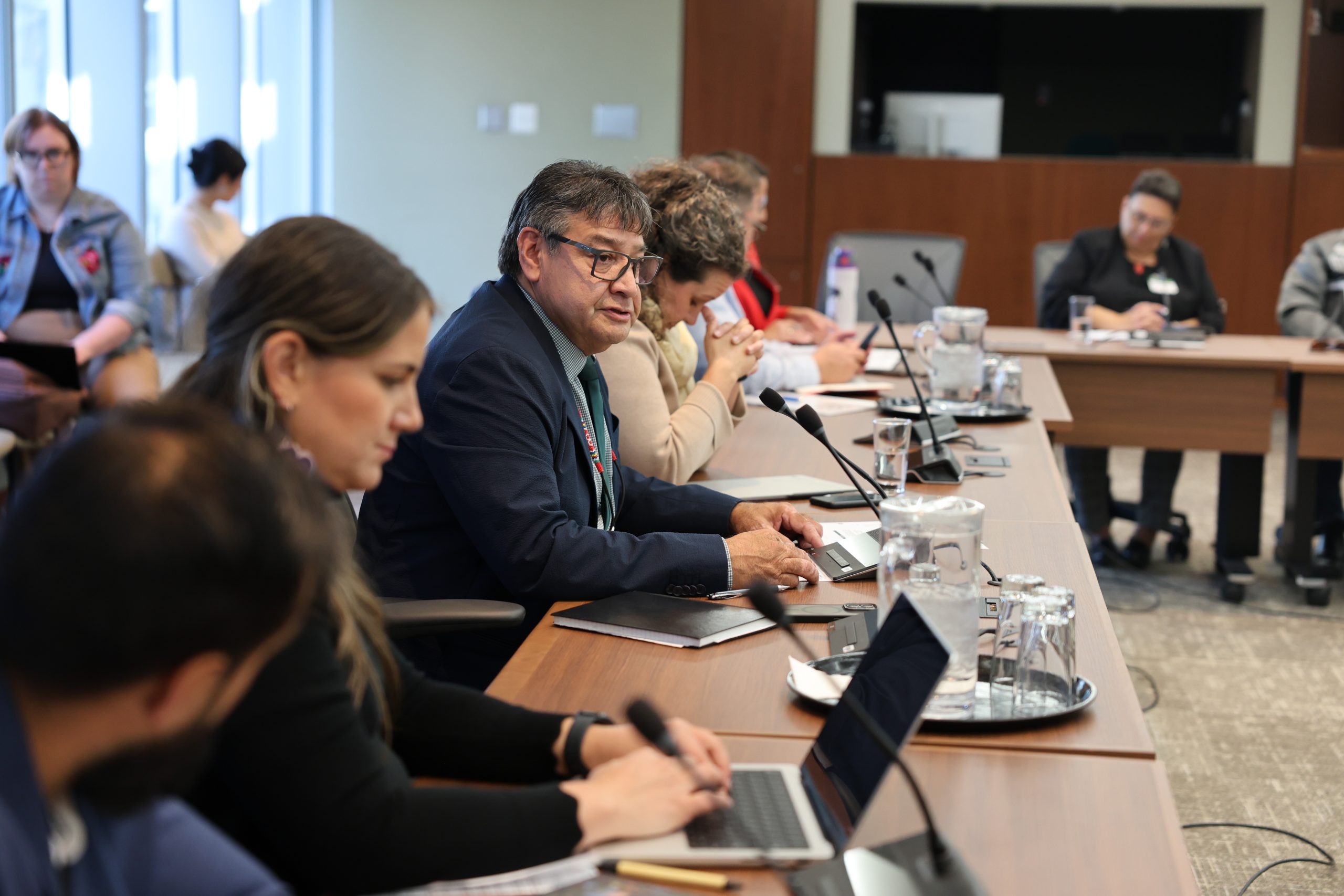
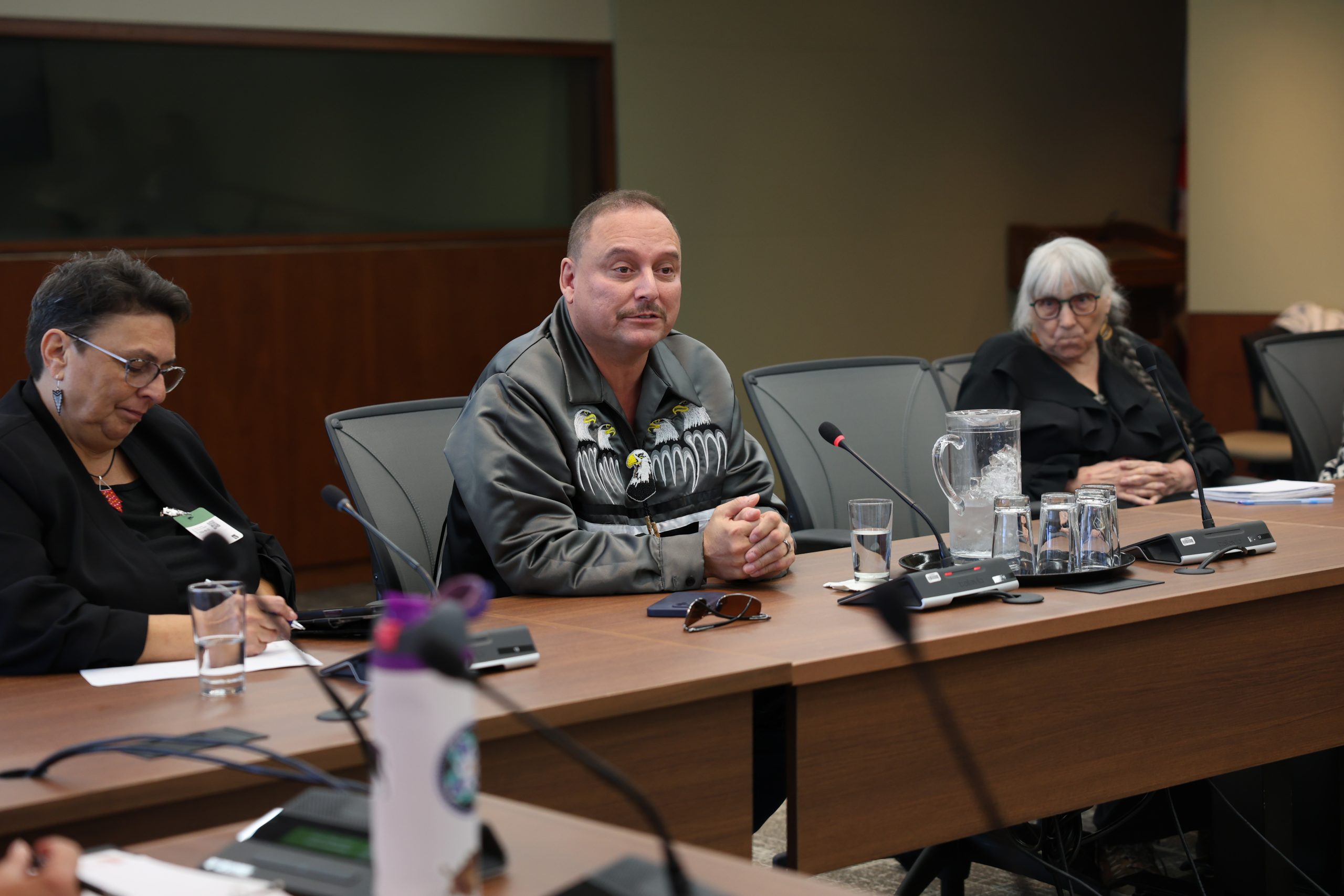
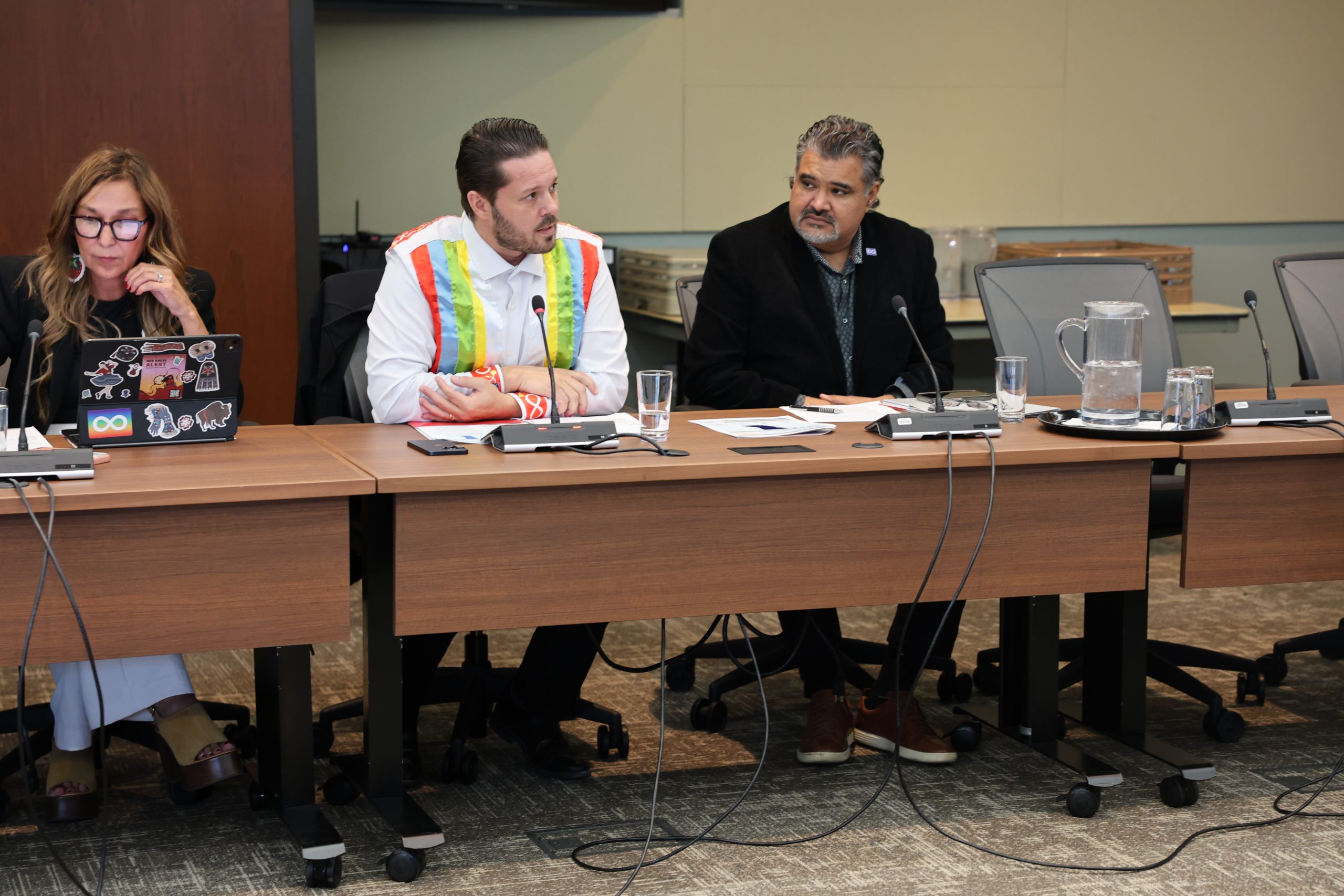
Leaders from six Métis governments met with federal Minister of Housing and Infrastructure Gregor Robertson in Ottawa on Tuesday to discuss the housing needs of Métis citizens across the country.
Representatives from the Métis Nation of Ontario, Otipemisiwak Métis Government, Métis Nation–Saskatchewan, Métis Nation British Columbia, Northwest Territory Métis Nation, and the Métis Settlements General Council shared their housing priorities and concerns with the Minister.
Discussions covered a range of housing needs and initiatives, including first-time homebuyer programs, infrastructure investments, affordable housing, home repair assistance, and supports for those experiencing or at risk of homelessness.
For several years, Métis governments and the federal government have worked together to support housing programs through the Canada–Métis Nation Housing Sub-Accord. Signed in 2018, the Sub-Accord was supported by a $500-million federal investment over 10 years and gave Métis governments the ability to design and deliver housing programs that respond to the needs of their citizens.
With the current agreement set to expire in 2028, discussions are underway on the future of the Sub-Accord and continued support for Métis housing needs across the country, including here in Ontario.
Representing the MNO at the meeting were President Margaret Froh and CEO Dale Leclair. Each Métis leader was given five minutes to present. President Froh highlighted the work the MNO has undertaken over the past decade to help citizens access safe and affordable housing, as well as the need for continued investment.
This work includes affordable housing developments in Sault Ste. Marie, Toronto, and Georgian Bay, along with first-time homebuyer programs, emergency home repair assistance, and rent supports.
The MNO’s 2022 Housing Census also demonstrated the continued need for these programs. Among responding MNO citizen households, 23 per cent reported that their dwelling required major repairs, while 37 per cent reported a need for minor repairs. The census also found that six to seven per cent of households had experienced or were at risk of homelessness.
The MNO Housing and Homelessness Branch has since developed a 10-year action plan and is preparing to conduct a new housing census in the new year. Housing affordability and availability remain key priorities as the MNO continues working to address the needs of citizens and families across Ontario.
The MNO thanks the Métis National Council for facilitating the meeting and looks forward to continuing to work with Minister Robertson and the federal government on the future of the Housing Sub-Accord beyond 2028.